Utilities shift to proactive grid resilience with monitoring — SkimNews
Get the Energy newsletter
Daily energy & climate — solar, EVs, oil, the policy fights and tech bets shaping the transition. Free.
- Matt Polk said system reliability and storm recovery have become defining challenges across the distribution grid, with the most successful utilities taking a proactive approach through enhanced monitoring, infrastructure modernization, and strategic asset management.
- Utilities are moving toward condition-based maintenance, using advanced monitoring technologies to assess critical asset health in real time and identify developing issues before they cause service interruptions.
- Data analytics and monitoring solutions are enabling utilities to prioritize investments, improve maintenance planning, and focus resources on the highest-risk areas of the network.
- Infrastructure modernization investments — including upgraded transformers, automated switching devices, and advanced protection systems — are aimed at helping utilities withstand increasing operational and environmental stresses.
- Distribution automation, through automated switches and sectionalizing devices, can isolate damaged grid sections and restore power to unaffected customers, significantly reducing outage durations.
- Storm recovery programs are being strengthened through improved crew mobilization, resource staging, mutual assistance coordination, and real-time operational communications.
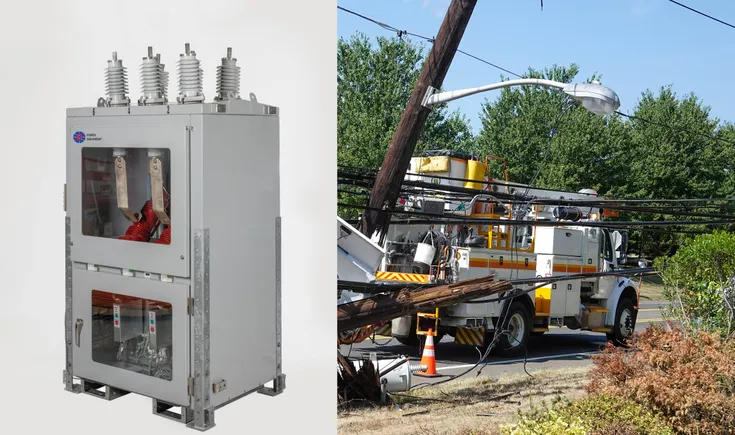
- JST Power Equipment supports utility resilience efforts with solutions including its single-phase tripping breaker, designed to enhance asset reliability and system visibility.
Why it matters: With severe weather growing more frequent and infrastructure aging, utilities that invest in real-time monitoring, automated sectionalizing, and modernized equipment position themselves to reduce both outage frequency and restoration time — directly affecting service quality for customers while controlling maintenance costs under budget constraints.
Ask SkimNews