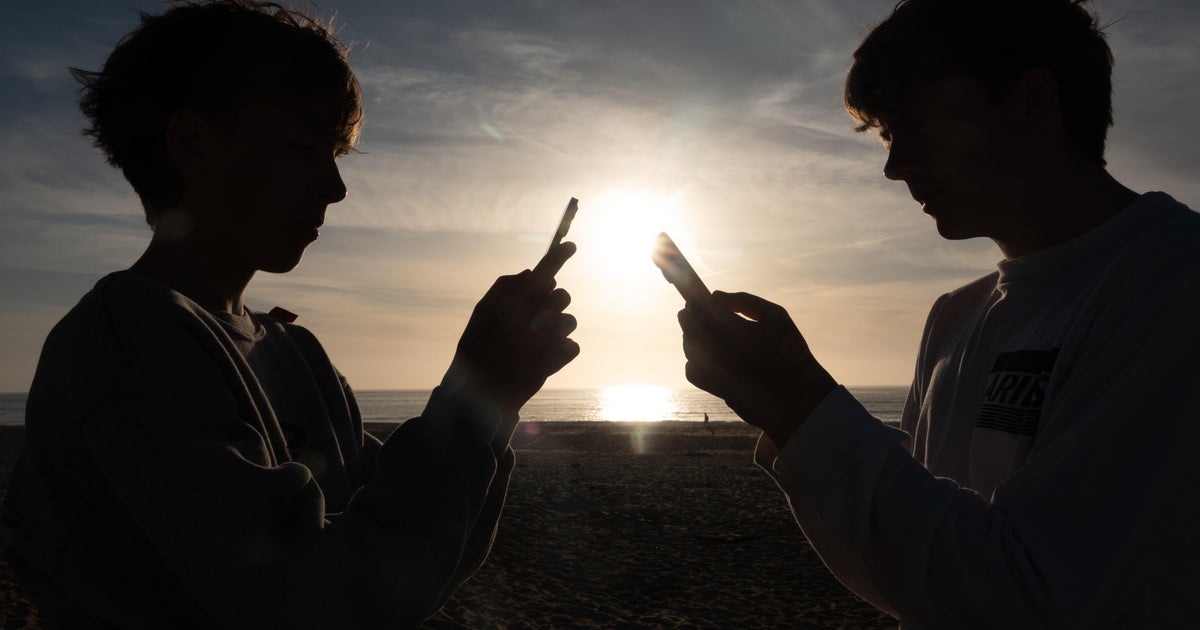
Children using social media at younger age appear to do worse in school tests
Get the Health newsletter
Daily health & science — research, biotech, public health, the studies worth knowing. Free.
- Study of 5,000+ Italian schoolchildren found those who opened their first social media account at age 11-12 scored lower in maths and Italian tests at 16, with the gap equivalent to roughly six months of lost learning — about half the benefit of intensive tutoring.
- Dr Marco Gui and colleagues at the University of Milano-Bicocca published the research in Nature Human Behaviour, controlling for prior academic performance, family structure and parents' education, though the authors note the work does not prove social media directly causes the decline.
- English test scores showed no negative impact, which researchers attribute to so much social media content being in English, giving early adopters "incidental exposure and practice" in the foreign language.
- How often children picked up their phones throughout the day and night was the strongest predictor of the performance gap, supporting the researchers' theory that a "continuous state of alert" distracts students from homework and offline life.
- The UK is poised to ban social media for under-16s, following Australia's ban last year; Gui called age limits an "emergency policy" and said longer-term work must focus on making platforms themselves less addictive.
- Dennis Ougrin, a child and adolescent psychiatry professor at Queen Mary University of London, said the evidence supports helping young people develop healthy social media habits rather than relying on bans alone.
Why it matters: The findings arrive as the UK prepares legislation to restrict under-16s from social media and add peer-reviewed evidence to a debate that has so far run on anecdote. Researchers framed the six-month learning gap as comparable to losing half the benefit of intensive tutoring, giving policymakers a concrete academic cost to weigh against the platforms' benefits.