Scientists found mystery bacteria inside one of the ocean’s most elusive whales — SkimNews
Get the Health newsletter
Daily health & science — research, biotech, public health, the studies worth knowing. Free.
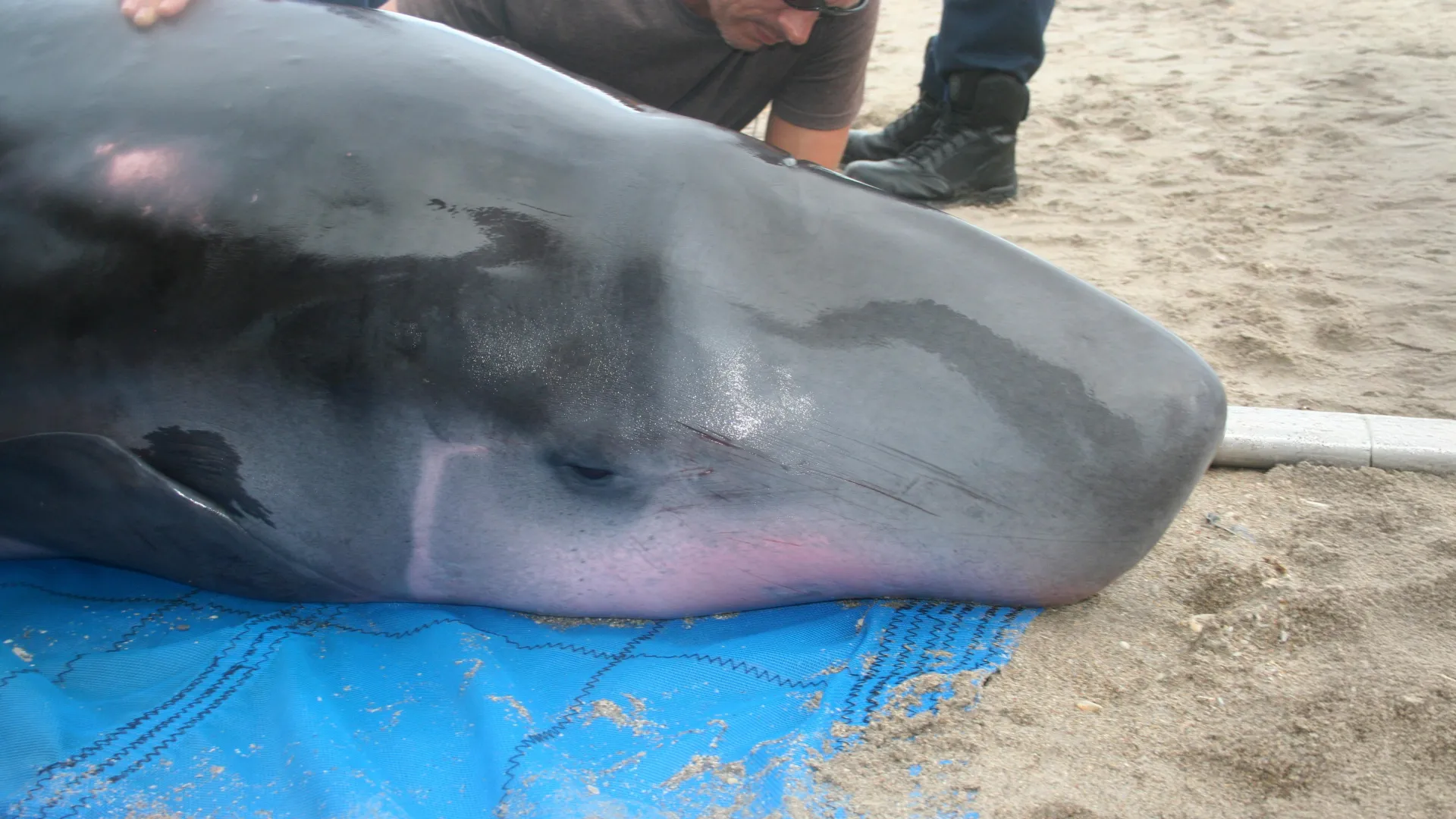
- Florida Atlantic University's Harbor Branch Oceanographic Institute identified three previously undocumented Helicobacter genotypes — named Kogia Helicobacter 1, 2, and 3 — in pygmy sperm whales stranded on Florida's east coast between 1999 and 2020.
- Four of 59 stranded pygmy sperm whales examined post-mortem (80% of strandings received full post-mortems) tested positive for the spiral-shaped bacteria, and all four showed gastritis, gastric ulcers, fibrosis, and nematode infestations.
- Kogia Helicobacter 1 and 2 are genetically similar to Helicobacter species previously found in dolphins, porpoises, and humans, while Kogia Helicobacter 3 belongs to a more divergent lineage, which corresponding author Wendy Marks said 'emphasizes the possibility that there are far more undiscovered bacteria in the ocean than we realize.'
- The study, published in the Journal of Wildlife Diseases, marks the first confirmed detection of these genotypes in pygmy sperm whales (Kogia breviceps) — a deep-diving, secretive species about which most knowledge comes from strandings along the southeastern U.S.
- Helicobacter was not listed as cause of death in any whale, but one infected whale also had colitis — suggesting the infection may extend beyond the stomach — and two of the genotypes (Kogia Helicobacter 1 and 3) were both found in one whale's forestomach tissue.
- The research was supported by Florida's "Protect Florida Whales" specialty license plate grant and brought together collaborators from the University of Florida, Colorado State University, and Marine Mammal Pathology Services.
Why it matters: For a species so rarely observed alive that nearly all knowledge comes from animals washing up dead, identifying three new bacterial strains — two genetically close to Helicobacter that infects humans and one from an entirely separate lineage — reframes stranded whales as sentinels for ocean microbiome diversity. All four infected whales carried ulcers and tissue scarring, opening a research thread on whether chronic bacterial illness is quietly degrading an already data-poor cetacean population.
Ask SkimNews