US, Japan, South Korea reaffirm North Korea denuclearisation — SkimNews
Get the Geopolitics newsletter
Daily geopolitics — wars, elections, sanctions, the diplomatic moves that move markets. Free.
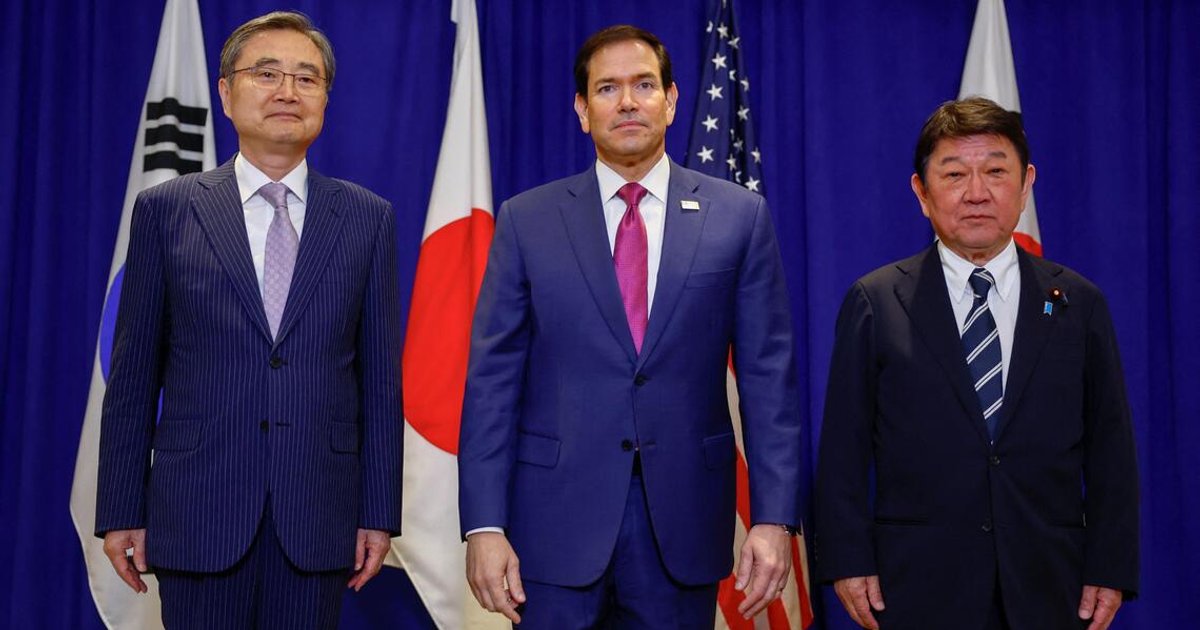
- U.S., South Korea, and Japan reaffirmed their 'resolute commitment' to the 'complete denuclearisation' of North Korea during trilateral talks on October 30 in Atlanta on the sidelines of a G20 meeting.
- UN Security Council resolutions were cited by the three nations as requiring full implementation, including bans on supporting revenue for North Korea’s nuclear and ballistic missile programmes.
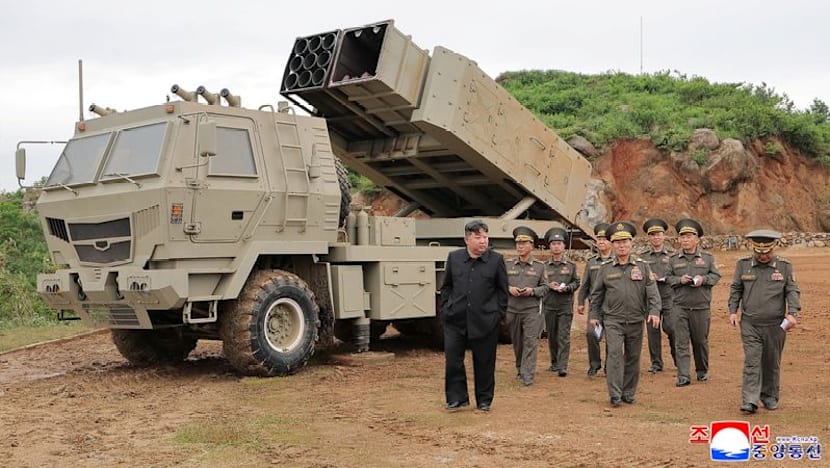
- North Korea has enshrined its nuclear-armed status in law and declared its atomic arsenal 'permanent and irreversible,' rejecting disarmament despite long-running sanctions.
- Trump has repeatedly offered to meet Kim Jong Un for nuclear talks, saying he is '100% open' to a meeting, though Pyongyang has not responded to the overtures.
- South Korea’s President Lee Jae Myung proposed in September that Washington seek a freeze on North Korea’s nuclear program in exchange for sanctions relief, a shift from demanding immediate denuclearization.
- China may be moving toward tacit acceptance of North Korea’s nuclear status, analysts say, noting denuclearization was omitted from statements after Kim Jong Un’s June meeting with Xi Jinping.
Why it matters: The trilateral unity on denuclearization contrasts with growing indications that both Pyongyang and Beijing treat North Korea’s nuclear status as permanent, undermining the policy’s feasibility. Lee Jae Myung’s freeze proposal, if adopted, would mark a major shift—accepting continued possession in exchange for partial concessions, risking normalization of a nuclear-armed North Korea while offering sanctions relief with no disarmament.
Ask SkimNews