Tesla Semi First Fatal Crash Kills 2 in Nevada — SkimNews
Get the Energy newsletter
Daily energy & climate — solar, EVs, oil, the policy fights and tech bets shaping the transition. Free.
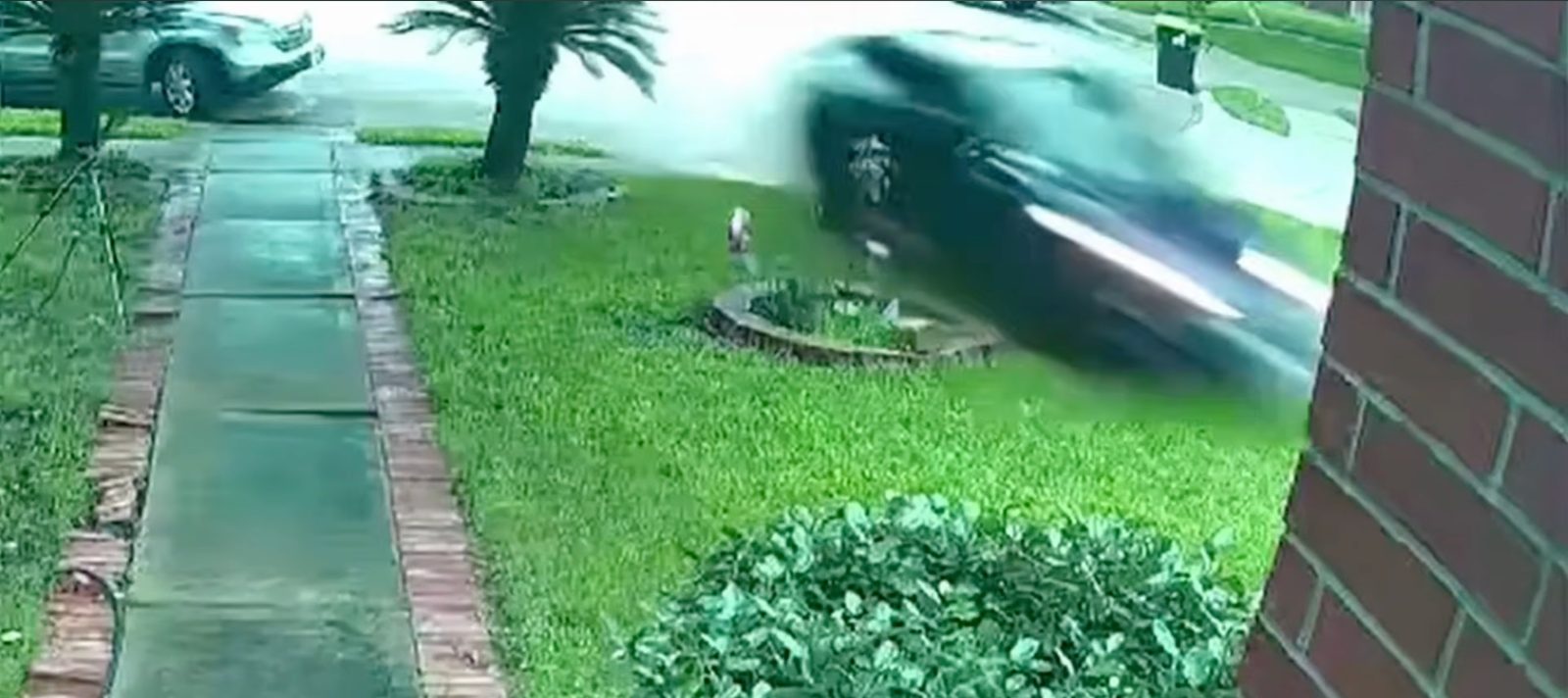
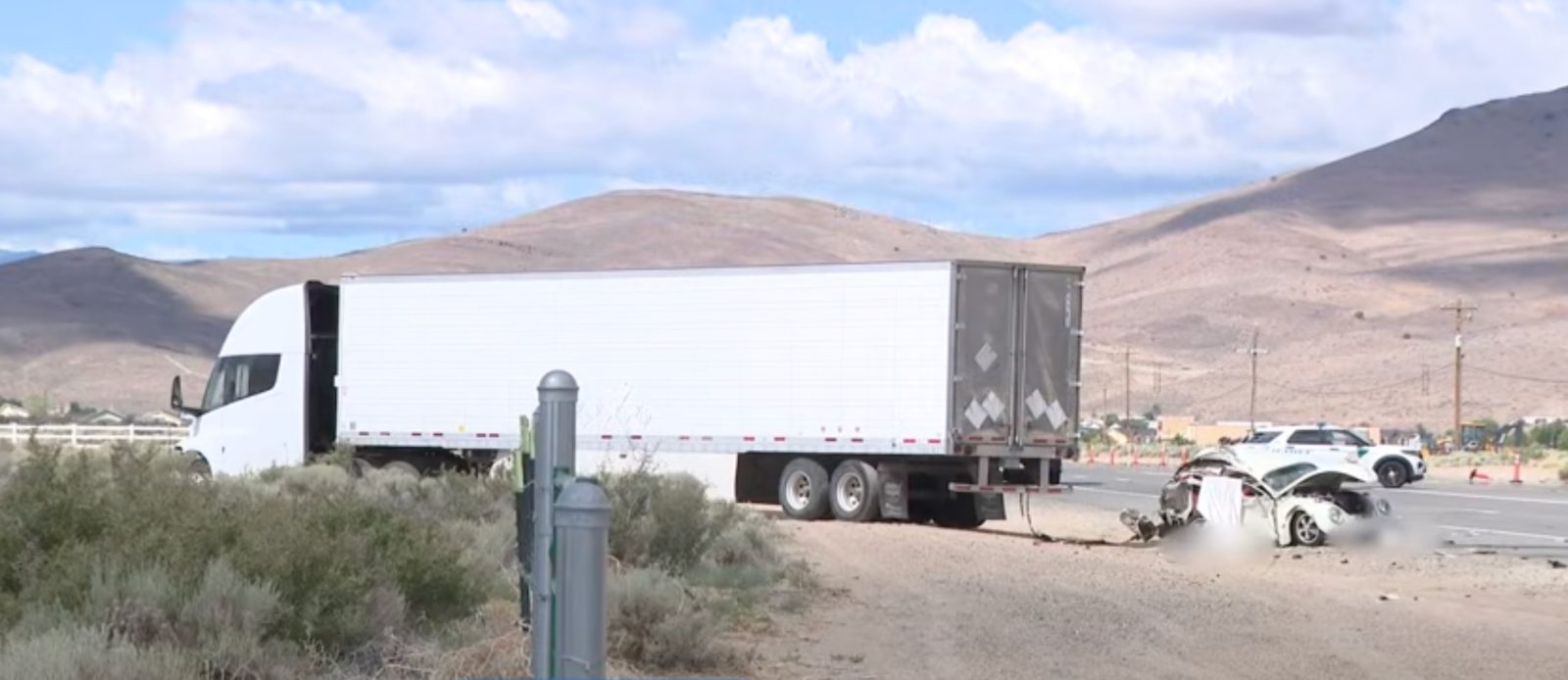
- Tesla Semi was involved in its first known fatal crash around 7:20 a.m. on Sunday, June 28, on U.S. 50 in Dayton, Nevada, east of Carson City, when the Class 8 electric tractor rear-ended two passenger vehicles stopped at a red light at U.S. 50 and Traditions Parkway.
- Sergio "Boo" and Jennifer Villanueva were pronounced dead at the scene; a third person was airlifted by Care Flight to a local hospital with life-threatening injuries, according to the Lyon County Sheriff's Office and Nevada Highway Patrol.
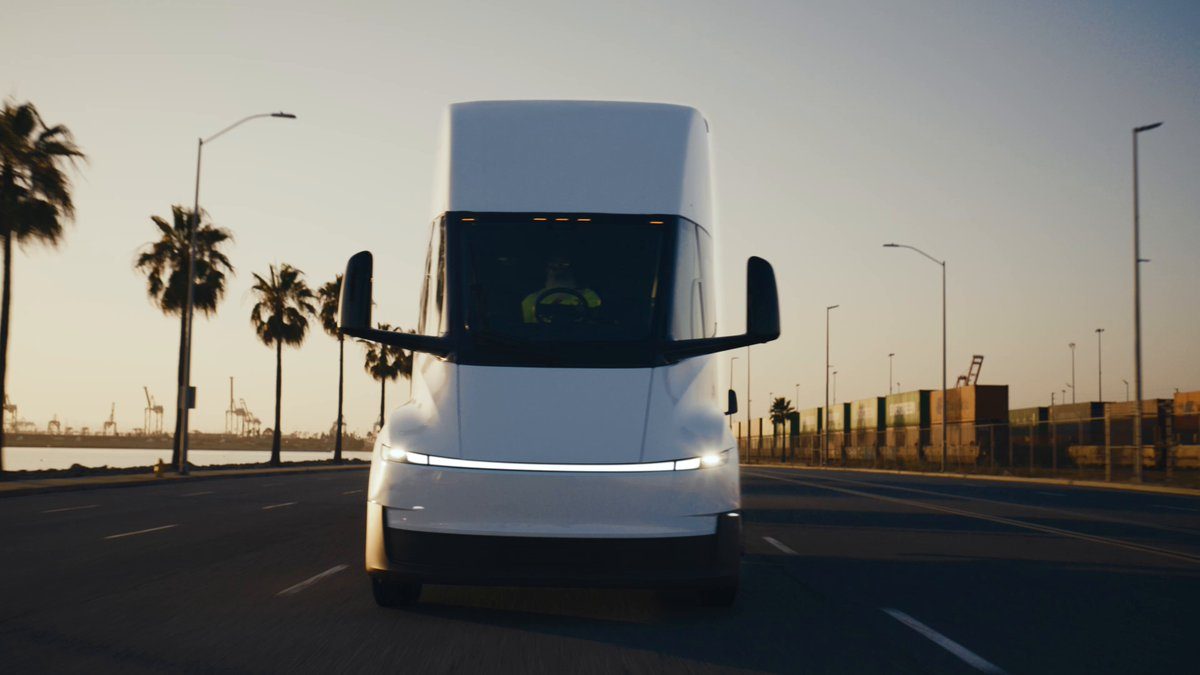
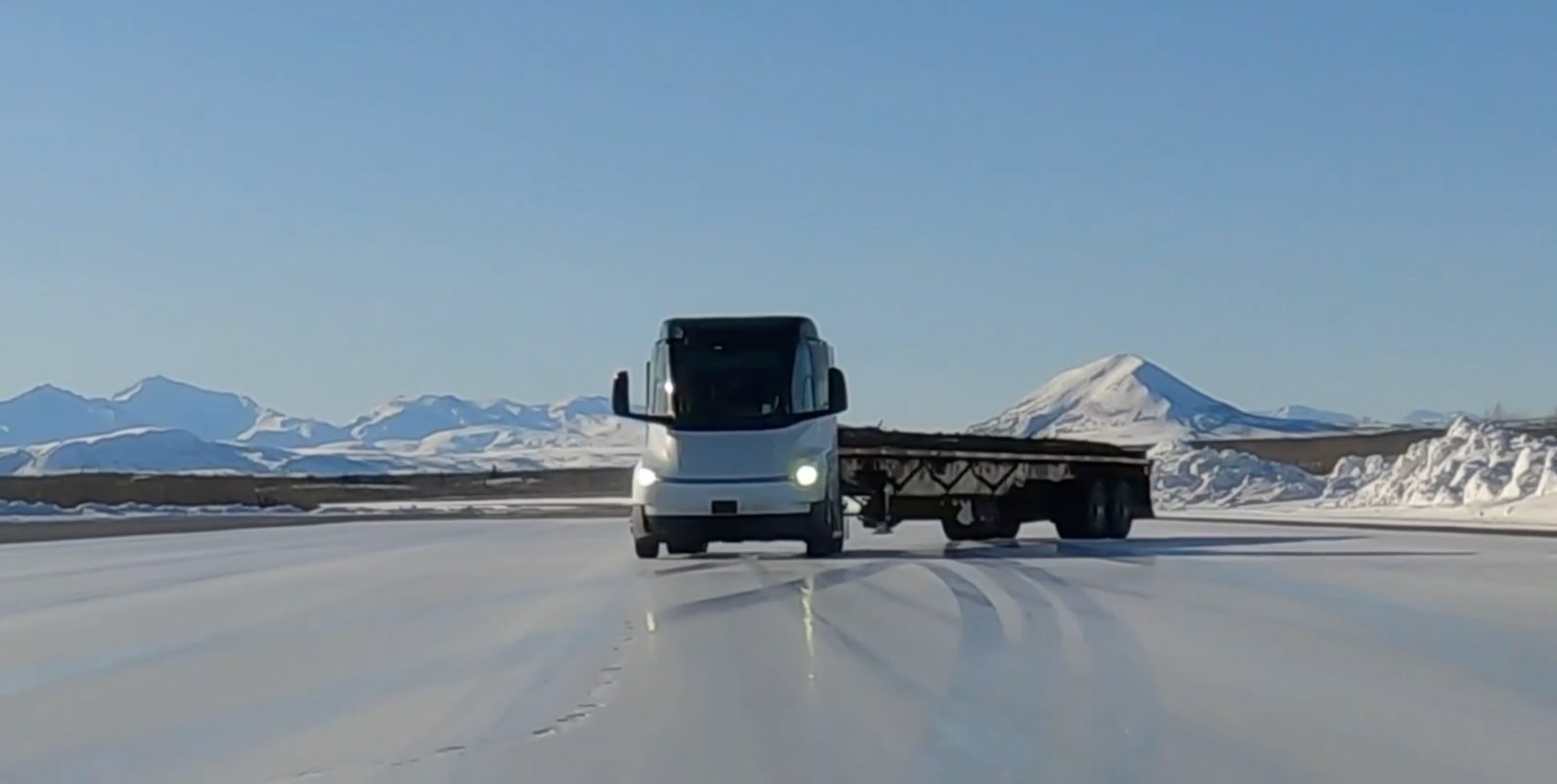
- Lyon County Sheriff's Office said preliminary statements obtained at the scene suggest the truck's driver might have fallen asleep, and the Nevada State Police Highway Patrol is leading the investigation; Nevada Highway Patrol has not officially released the truck's make, though images from the scene clearly show a Tesla Semi's distinctive center-seat, cab-forward tractor pulling a white dry-van trailer.
- Tesla does not offer Full Self-Driving on the Semi — the two production trims are listed as "designed for autonomy" but the feature is still in test-fleet hardware, with a Semi spotted in California carrying FSD sensors three days before the crash — putting the driver in full manual control at the time of the collision.
- Tesla originally said the Semi ships with Enhanced Autopilot as standard and uses "the same camera set" as its passenger vehicles, which run Automatic Emergency Braking standard on the Model 3 and Model Y, but the company has never published a Semi-specific active-safety spec or confirmed whether the truck's forward-collision braking engaged before the crash.
- Tesla rolled out a "Driver Drowsiness Warning" in 2023 that uses a cabin-facing camera to detect yawns and blinks on its passenger cars above 40 mph, but the company has not said whether the Semi has a cabin-facing camera or the same feature — a notable gap for a truck whose driver reportedly fell asleep.
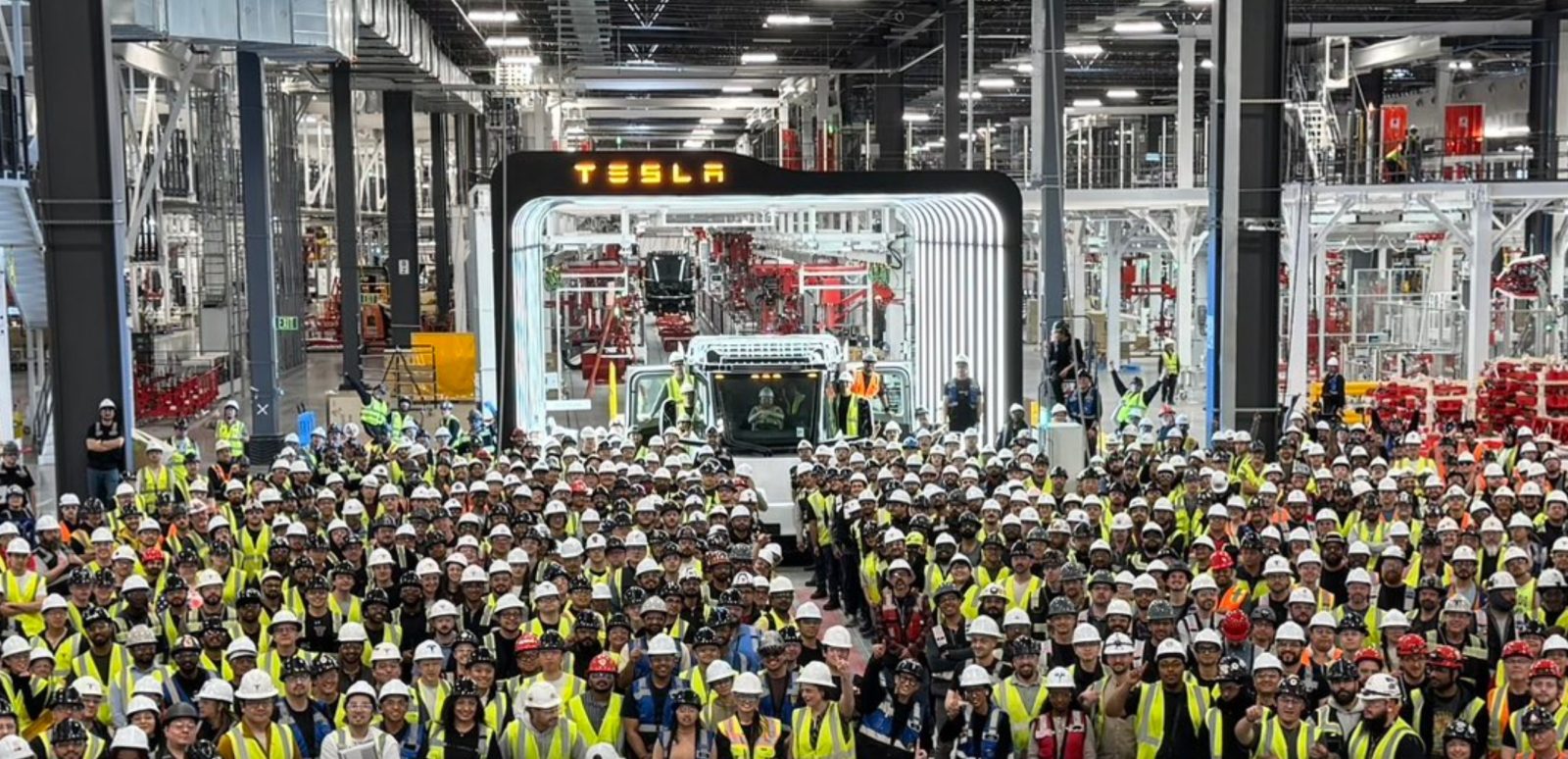
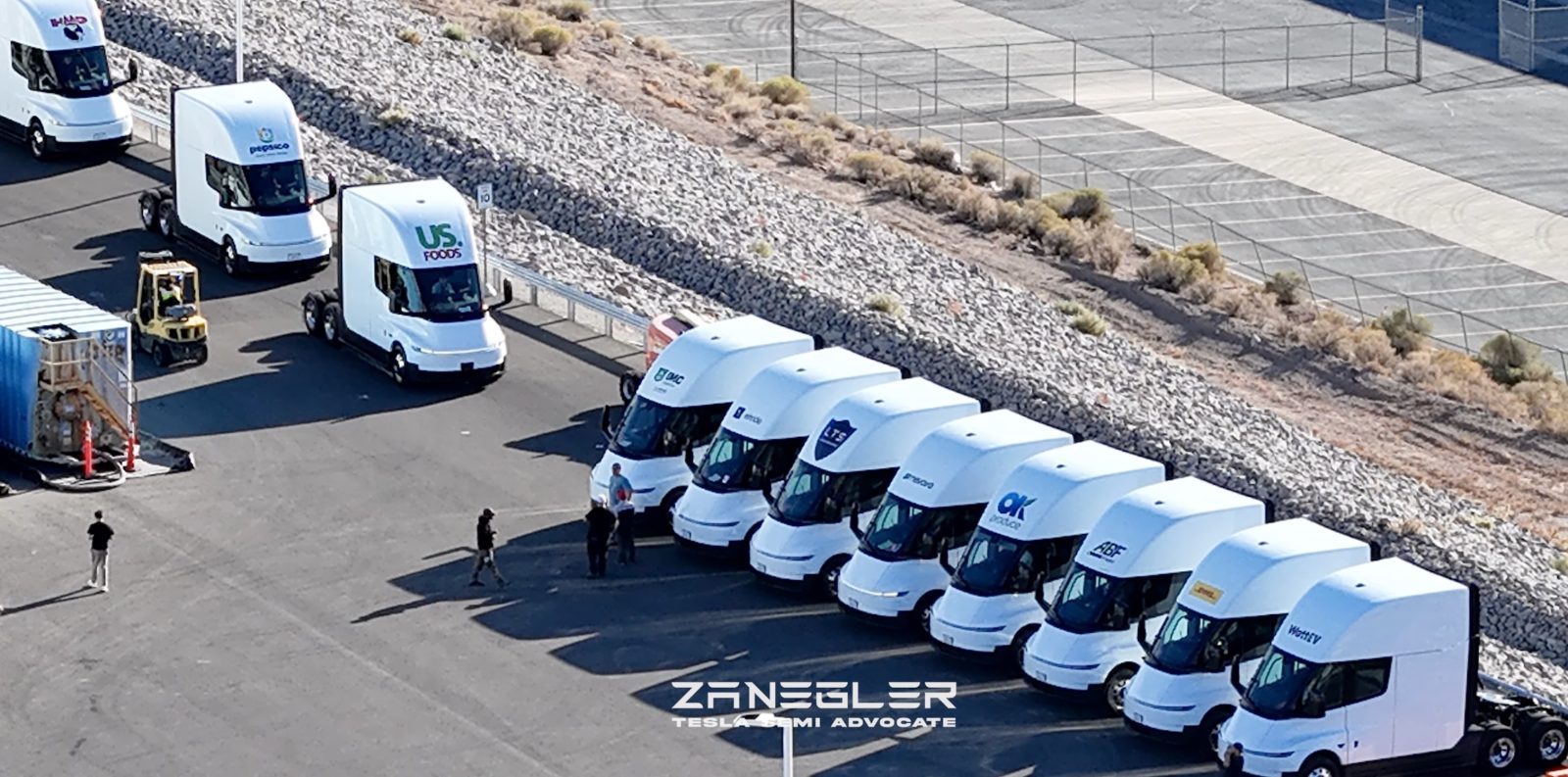
- Tesla builds the Semi at its 1.7-million-square-foot Gigafactory Nevada plant near Sparks, roughly an hour from the crash site, and only began ramping customer deliveries in 2026 after years of delays, with only a few hundred trucks on the road; U.S. regulators have a proposed rule that would mandate AEB on all new heavy trucks, requiring them to fully stop for other vehicles at speeds up to 62 mph.
Why it matters: Tesla ships Automatic Emergency Braking standard on every car it sells, and the company rolled out a cabin-camera drowsiness warning in 2023, yet the Semi — its first commercial vehicle — has no published active-safety spec and no confirmed driver-fatigue system, leaving a critical question for investigators: did the truck's forward-collision braking engage when its driver fell asleep into two stopped cars? The crash is also the first fatality tied to Tesla's fledgling Semi program, which has only a few hundred units on the road after ramping customer deliveries in 2026.
Ask SkimNews