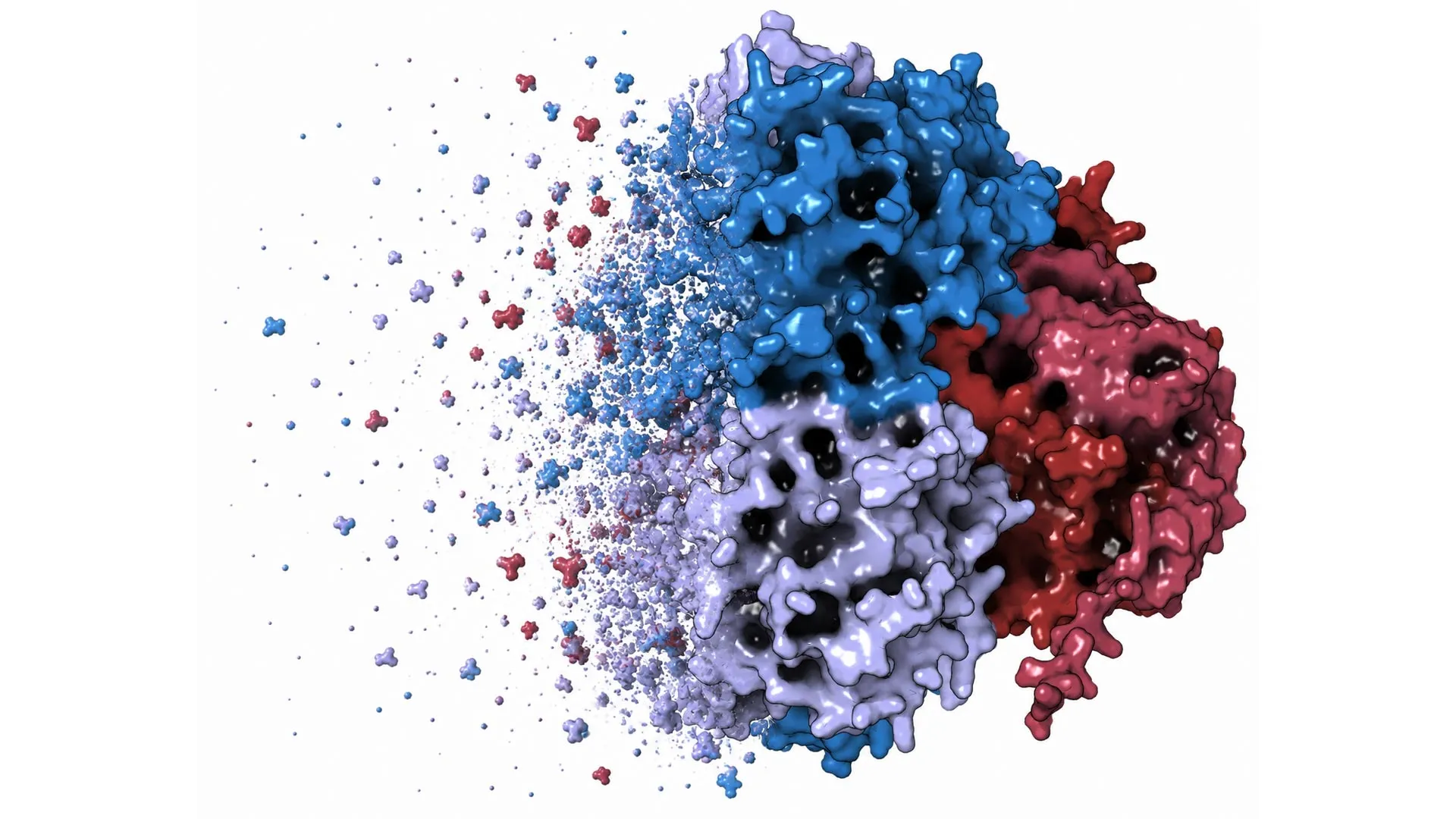
MYC Protein Repairs DNA Drives Chemo Resistance — SkimNews
SkimNews Take
MYC's dual role in both promoting growth and repairing DNA damage gives aggressive cancers a built-in resilience mechanism against treatments designed to target rapidly dividing cells.
Get the Health newsletter
Daily health & science — research, biotech, public health, the studies worth knowing. Free.
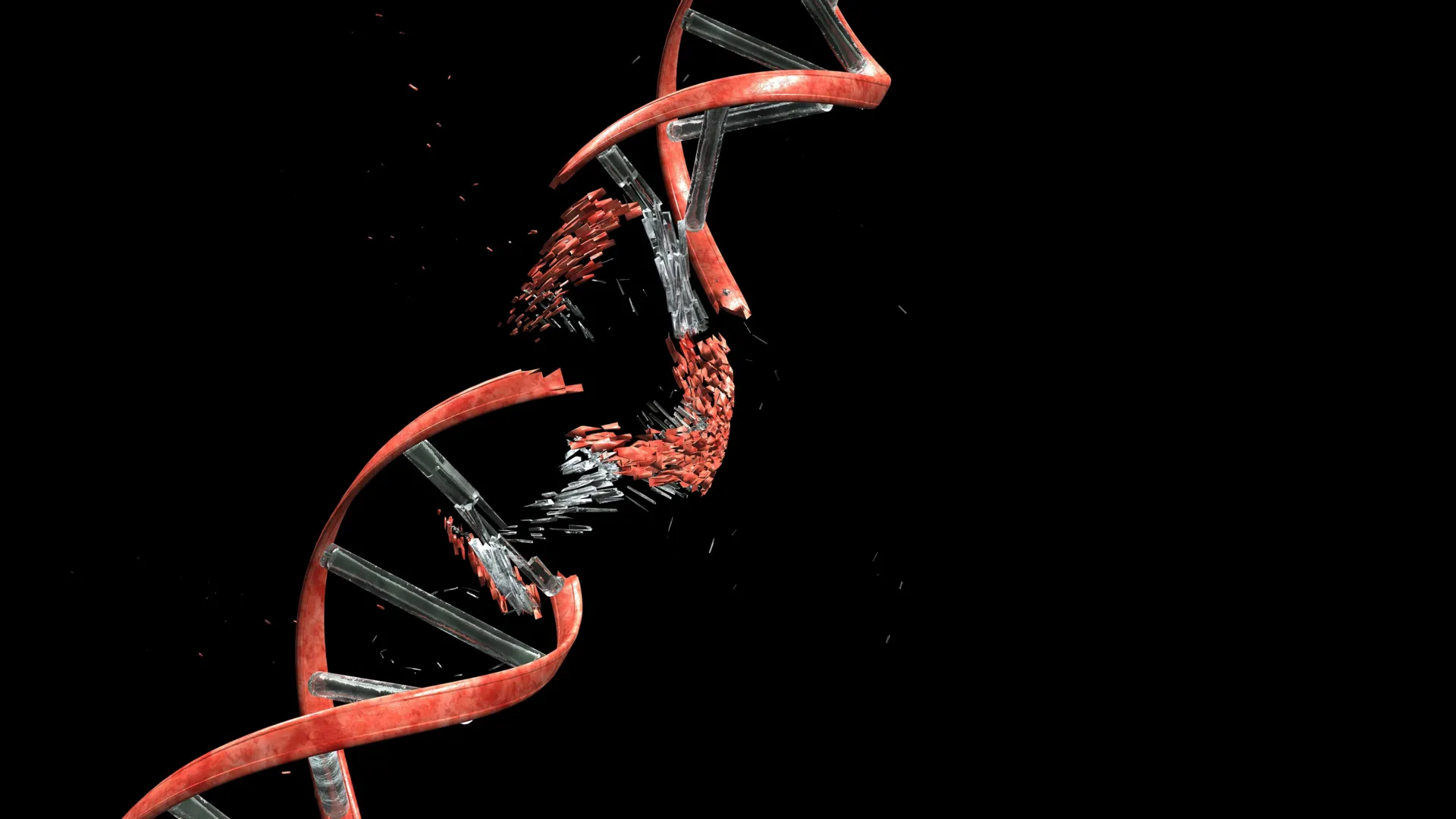
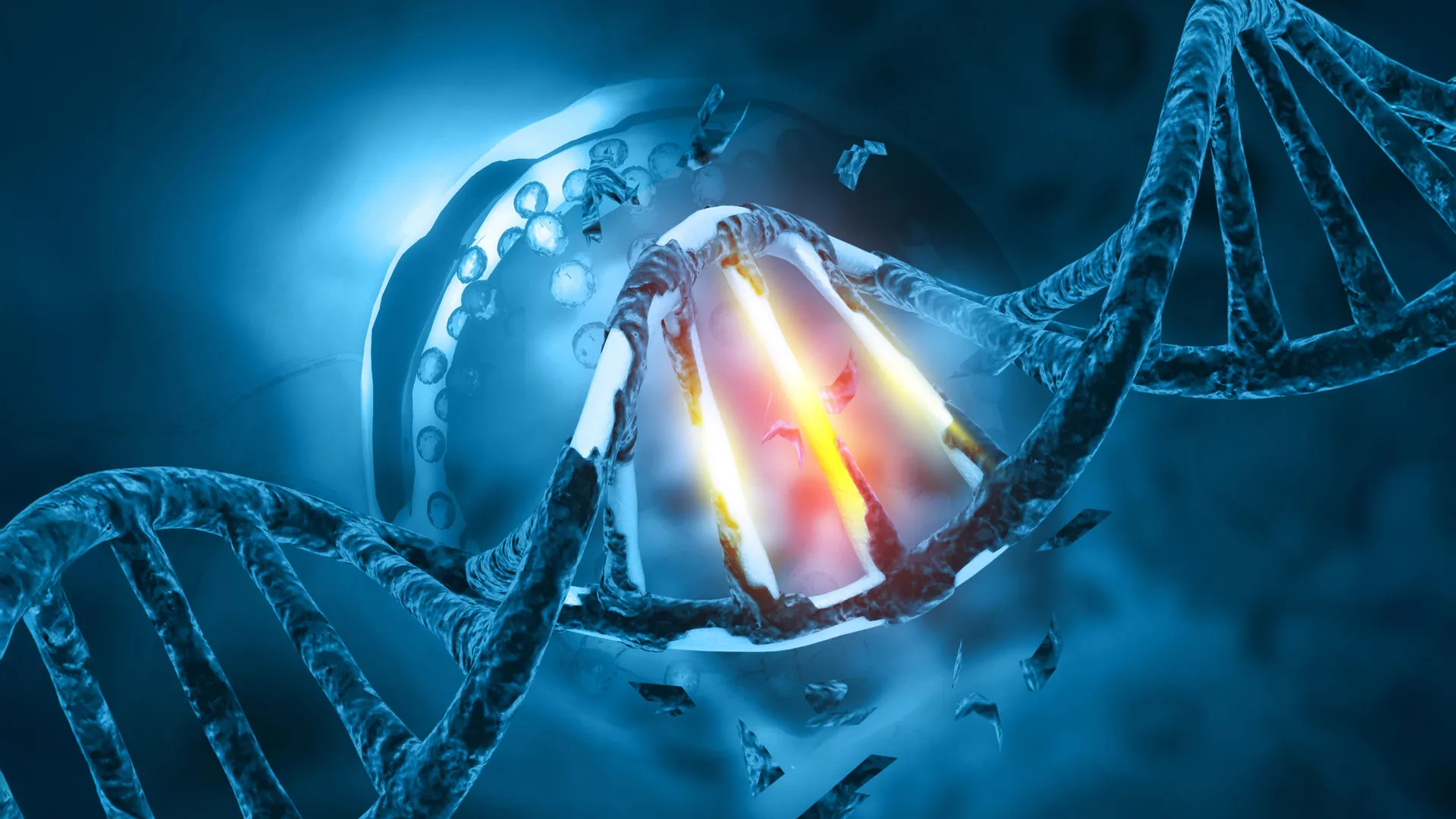
- MYC directly repairs chemotherapy‑induced DNA breaks in tumor cells, allowing them to survive treatment.
- Oregon Health & Science University researchers published the findings in Genes & Development, showing MYC’s non‑canonical DNA‑repair activity.
- Rosalie Sears explained that MYC’s repair role contributes to treatment resistance and poorer patient outcomes.
- Gabriel Cohn highlighted that the mechanism is especially relevant for aggressive MYC‑driven cancers such as pancreatic cancer.
Why it matters: The discovery pinpoints MYC‑mediated DNA repair as a key driver of chemotherapy resistance, giving researchers a concrete target to improve outcomes for patients with MYC‑high aggressive tumors.
Ask SkimNews