Cancer breaks its own DNA to keep growing — SkimNews
Get the Health newsletter
Daily health & science — research, biotech, public health, the studies worth knowing. Free.
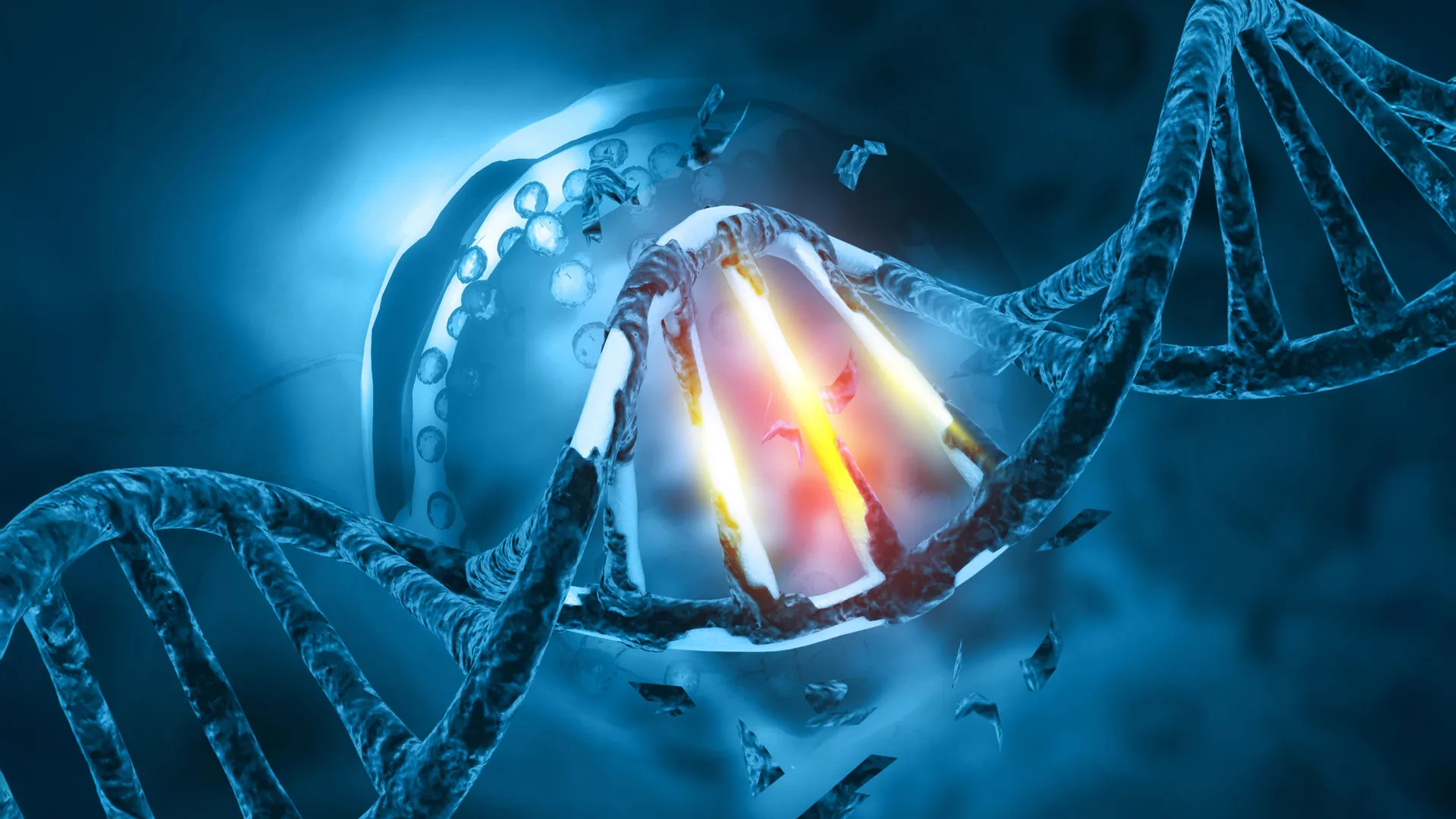
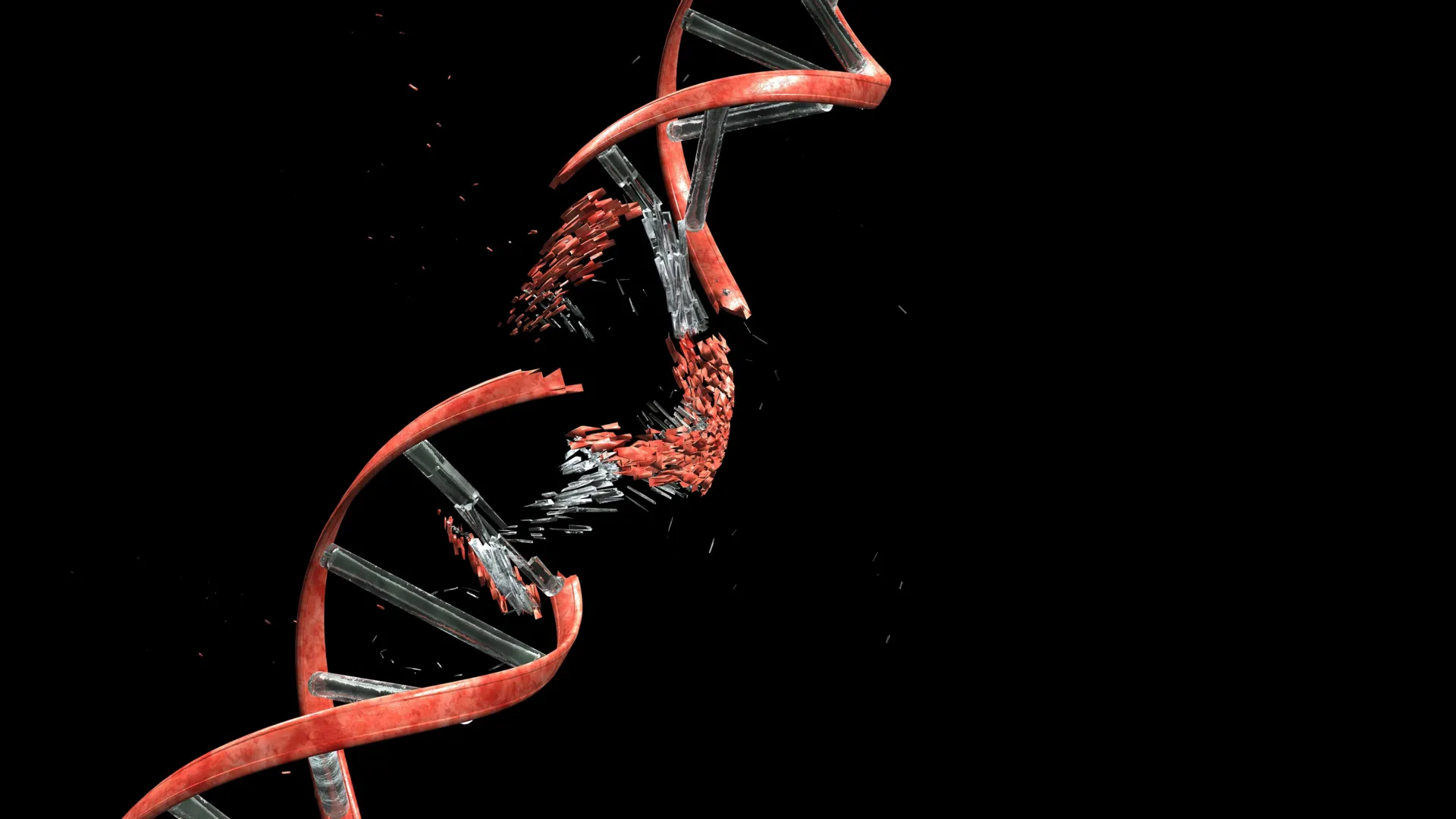
- Hebrew University of Jerusalem researchers found that super-enhancers — powerful DNA control regions driving unusually intense activity in cancer-promoting genes — can cause double-strand breaks in the cell's own DNA, a previously overlooked source of genetic instability in tumors.
- PhD student Osama Hidmi, under the guidance of Prof. Rami Aqeilan, led the study published in Science Advances (2026, Vol. 12, Issue 4; DOI: 10.1126/sciadv.aeb6379).
- Using sensitive genome-mapping, the team found that DNA breaks cluster specifically inside genes controlled by super-enhancers rather than appearing randomly across the genome.
- Cancer cells repeatedly repair the breaks to survive, but each repair cycle introduces small errors that allow mutations to accumulate in these high-activity regions over time.
- Aqeilan said the cycle of damage and repair helps tumors survive short-term while increasing the risk of mutations that fuel cancer's evolution, potentially enabling tumors to spread, resist stress, or become less responsive to treatment.
- Hidmi said cancer cells' dependence on these high-stress DNA regions may make them more vulnerable there, opening the door to treatments that disrupt super-enhancer-driven gene activity or block repair of the resulting DNA damage.
Why it matters: Drug developers gain a new therapeutic angle: because cancer cells depend on super-enhancer-driven growth that simultaneously stresses their own DNA, therapies targeting these high-stress regions — by disrupting super-enhancer activity or blocking repair of the resulting breaks — could exploit a vulnerability unique to tumors and potentially limit their ability to evolve resistance.
Ask SkimNews