Neurons Break Their DNA to Build the Brain — SkimNews
Get the Health newsletter
Daily health & science — research, biotech, public health, the studies worth knowing. Free.
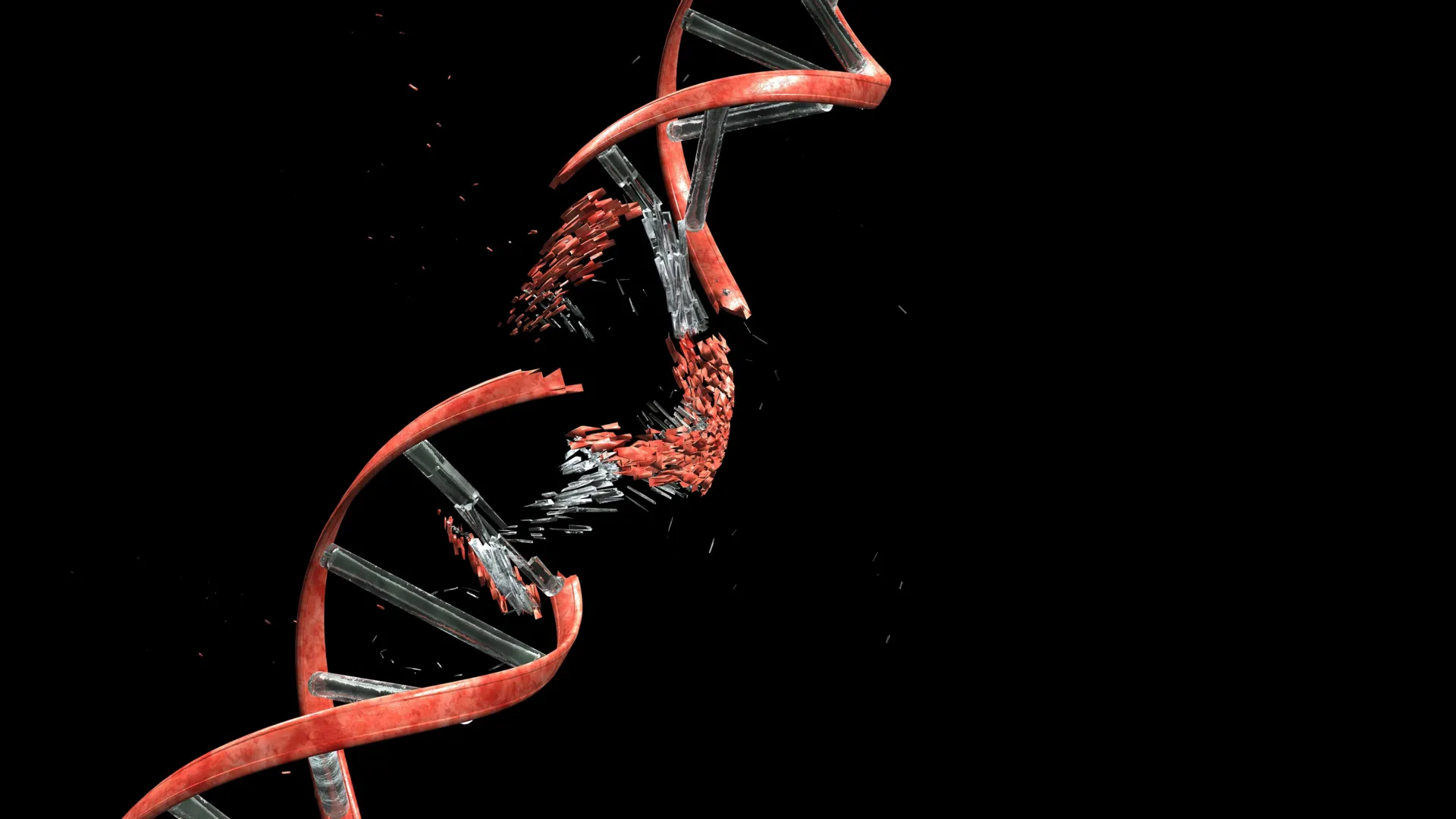
- Kyoto University researchers discovered that neurons migrating through the developing cerebral cortex routinely suffer double-strand DNA breaks, a severe form of genetic damage, publishing the finding in Nature on June 21, 2026
- Topoisomerase IIβ is the enzyme responsible: mechanical stress during migration traps it mid-cut, leaving DNA strands severed before a repair mechanism called non-homologous end joining reconnects them, typically within 24 hours
- Neuronal DNA breaks differ from those seen in cancer cells traversing the same microchannels, concentrating in non-critical genome regions and sparing essential genes, which lets neurons maintain function through damage that would kill other cell types
- Mice lacking Ligase 4, an enzyme required for repair, in newly formed cerebellar neurons developed normally as juveniles but developed mild, progressively worsening balance problems in adulthood — symptoms resembling human disorders tied to genome instability
- Professor Mineko Kengaku of WPI-iCeMS led the study alongside collaborators from the University of Tokyo, the University of Osaka, the National University of Singapore, and the Tokyo Metropolitan Institute of Medical Science
- Kengaku's team concluded that DNA breakage and repair may introduce small genetic differences between individual neurons, potentially contributing to brain diversity and later neurodevelopmental or neurodegenerative disease
Why it matters: Kengaku's team reframes double-strand DNA breaks as a normal feature of brain development rather than purely a pathology. The Ligase 4 knockout mice's late-onset balance problems directly connect failed repair to human cerebellar disorders, giving researchers a concrete new mechanism to pursue in neurodevelopmental and degenerative disease research.
Ask SkimNews