Connectome‑seq maps synapses at synapse‑level resolution — SkimNews
Get the Health newsletter
Daily health & science — research, biotech, public health, the studies worth knowing. Free.
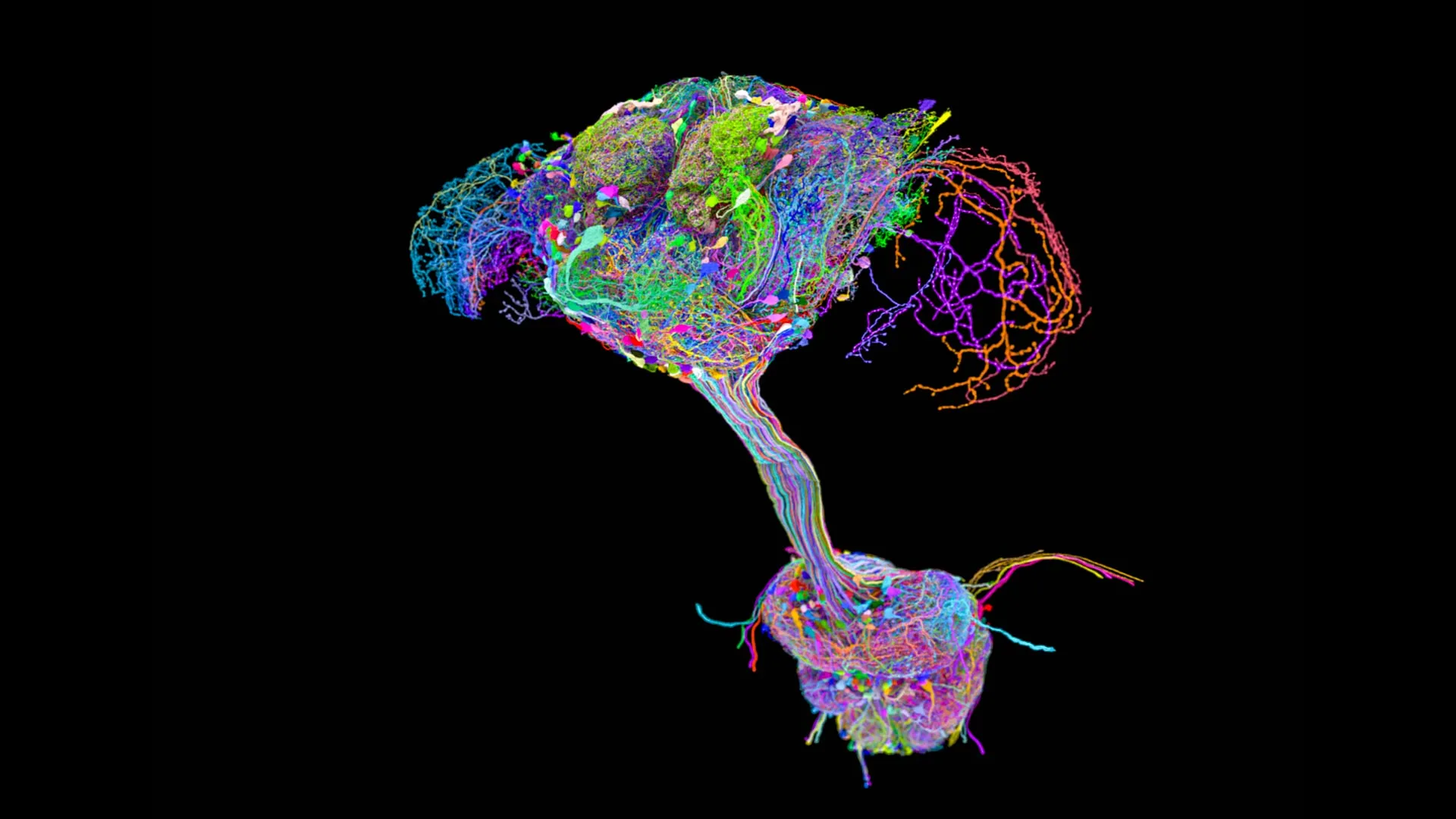
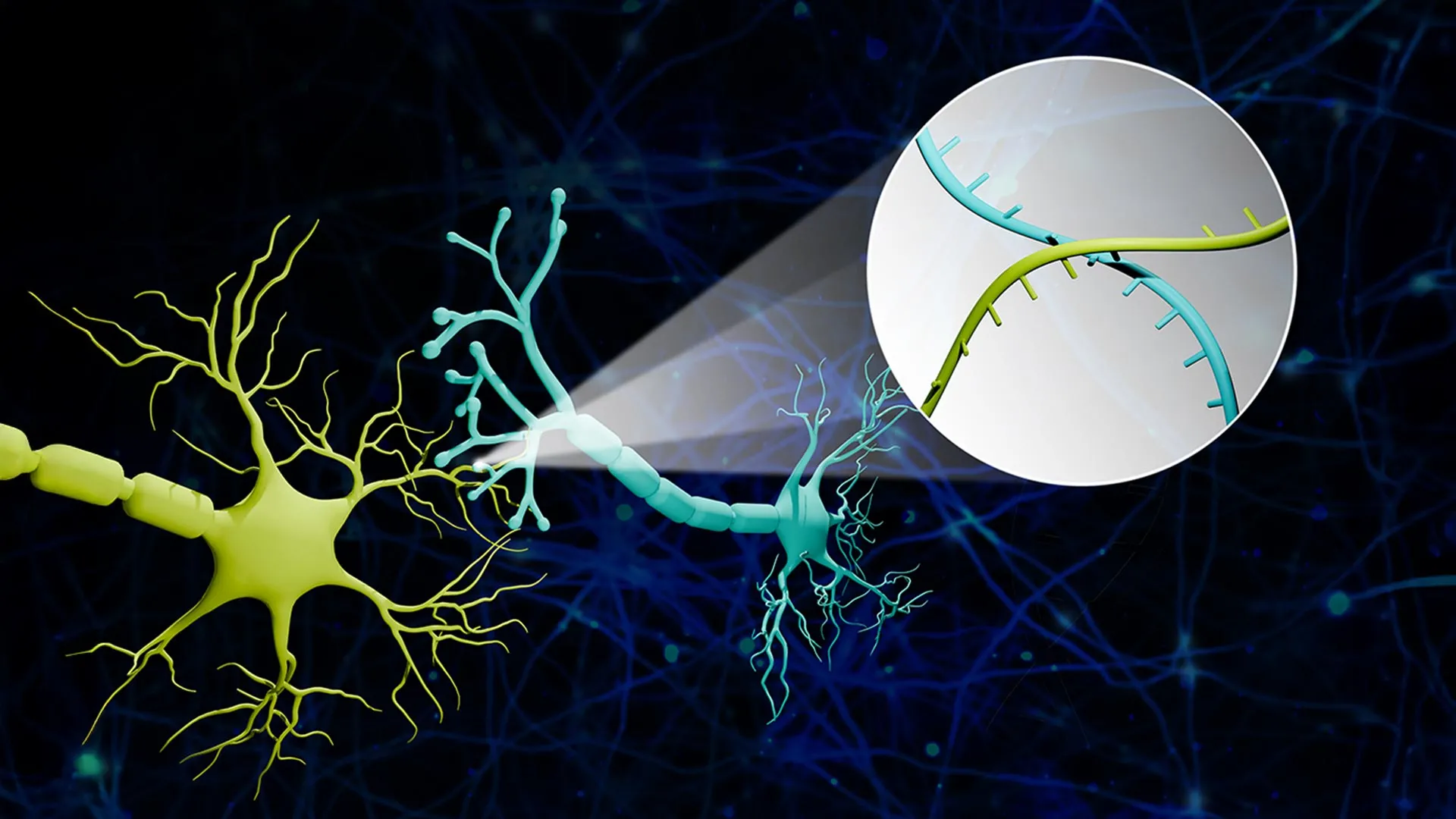
- Connectome‑seq – the new platform assigns each neuron a unique RNA barcode, carries it to synapses, and uses high‑throughput sequencing of barcode pairs to map connections with single‑synapse resolution.
- Boxuan Zhao – the study leader at the University of Illinois at Urbana‑Champaign said the method can map thousands of neural links simultaneously, a capability absent in existing technologies.
- University of Illinois at Urbana‑Champaign – researchers used Connectome‑seq to map more than 1,000 neurons in the mouse pontocerebellar circuit, uncovering direct links between cell types not previously known to connect in the adult brain.
- Nature Methods – the findings were published in the journal, highlighting the technique’s speed and scalability compared with traditional slice‑and‑image approaches.
- Wu Tsai Neurosciences Institute – provided a Neuro‑omics Initiative grant that supported the development of Connectome‑seq, alongside funding from the Elsa U. Pardee Foundation and the Edward Mallinckrodt Jr. Foundation.
- Alzheimer’s disease – the authors suggest that the rapid, scalable mapping of neural circuits could enable early detection of circuit changes and guide circuit‑guided therapeutic interventions for neurodegenerative disorders.
Why it matters: The method’s speed and scalability let researchers map neural circuits at scale, enabling direct comparison of healthy and diseased brains and accelerating discovery of early circuit alterations in neurodegenerative disorders. This advantage positions neuroscientists and drug developers to pinpoint vulnerable network nodes before clinical symptoms appear, potentially reshaping therapeutic strategies.
Ask SkimNews