Chicago team maps 75% of mouse cell types body‑wide — SkimNews

Get the Health newsletter
Daily health & science — research, biotech, public health, the studies worth knowing. Free.
- Nicolas Chevrier led the development of a new system that combines spatial transcriptomics with computational tools to map gene expression across entire mouse body sections.
- Array‑seq, a DNA microarray technology created in 2025, was used to analyze ultra‑thin (cell‑thick) frozen mouse slices while preserving RNA integrity.
- Tadafumi Kawamoto collaborated to generate the whole‑body cross‑section and transfer it onto Array‑seq slides, enabling intact tissue analysis.
- Feng Bao helped build a machine‑learning model that automatically labels organs, tissues, and cell types on standard H&E‑stained sections, replacing costly antibody staining.
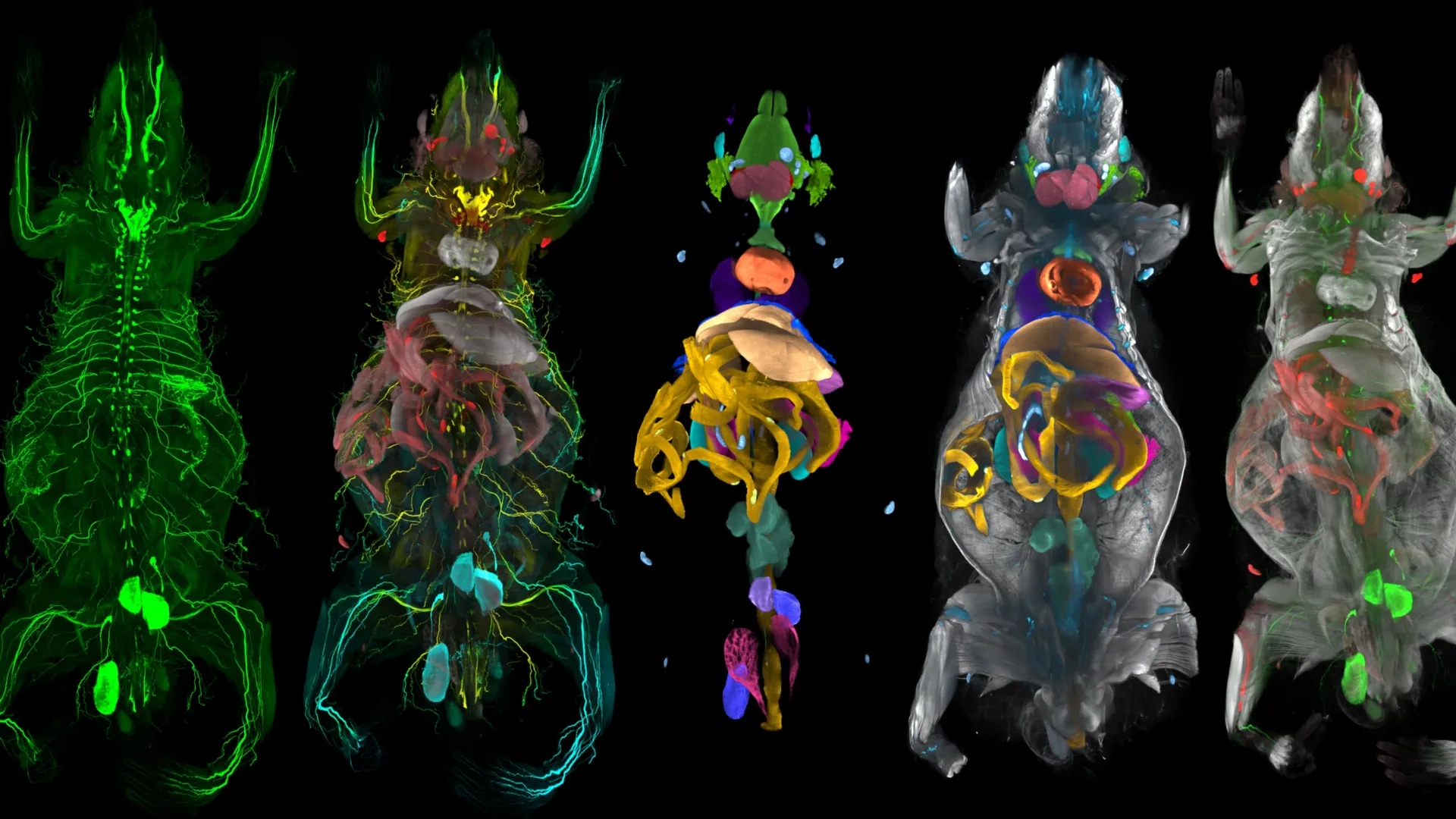
- Chevrier’s team accurately mapped all organs, tissue regions, and about 75% of all known mouse cell types, providing a comprehensive cellular atlas.
- The sepsis mouse model was used to quantify systemic inflammation across every cell type and major organ, demonstrating the method’s ability to assess disease‑wide molecular changes.
Why it matters: The tool gives researchers a quantitative view of inflammation and drug effects across every organ and cell type, replacing fragmented organ‑specific assays with a single, body‑wide dataset that can accelerate disease modeling and reduce the need for multiple animal experiments.
Ask SkimNews