Scientists Reconstruct Videos From Mouse Brain Activity — SkimNews
Get the Health newsletter
Daily health & science — research, biotech, public health, the studies worth knowing. Free.
- UCL researchers reconstructed 10-second videos from mouse visual cortex activity alone, publishing the work in eLife and shifting brain-decoding efforts from human fMRI scans to single-neuron recordings in animals.
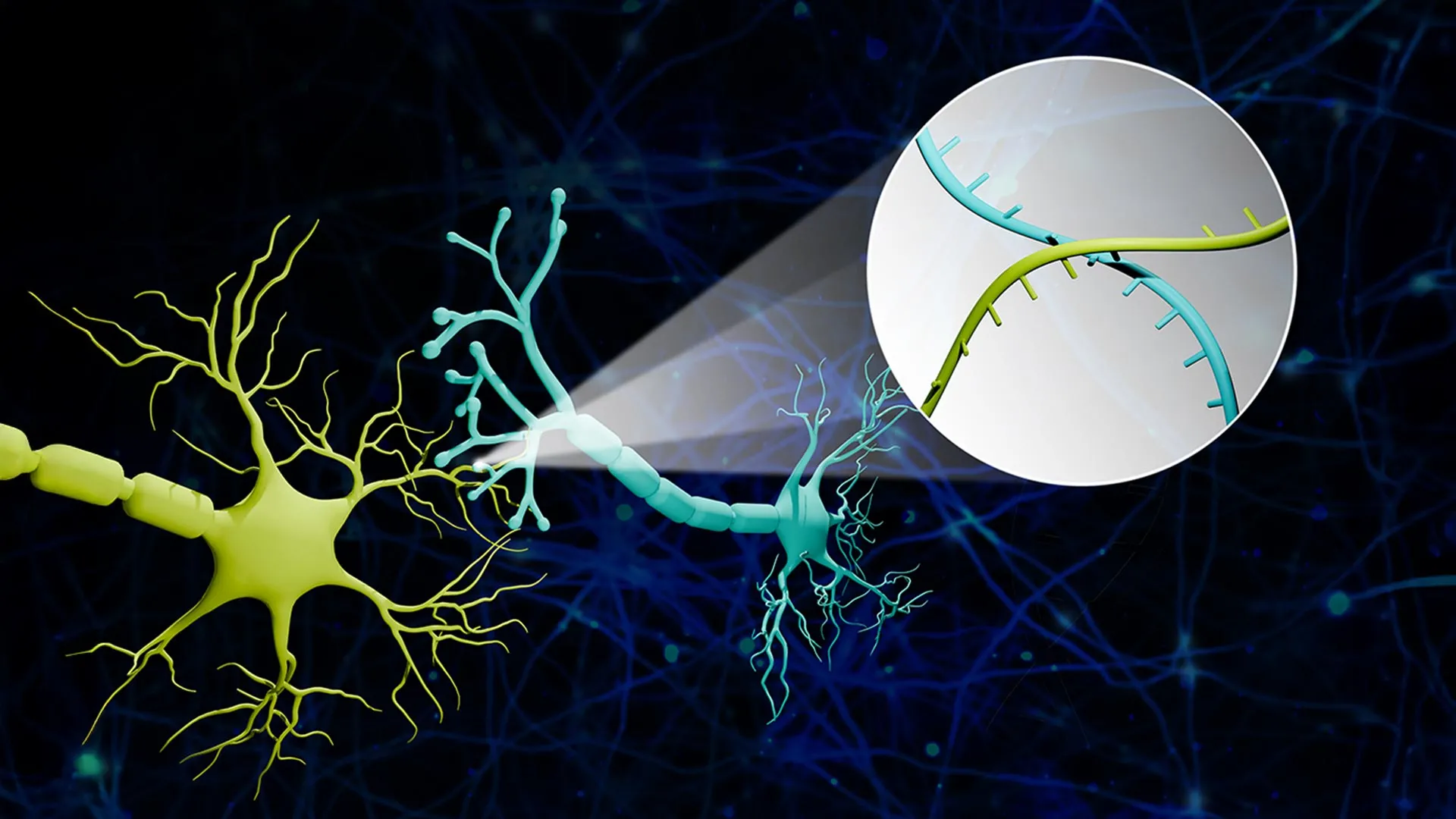
- Dr. Joel Bauer of the Sainsbury Wellcome Centre at UCL led the study, using calcium imaging to detect activity in individual neurons while mice watched movies.
- The team adapted a dynamic neural encoding model originally built for the 2023 Sensorium Competition, then refined it by subtracting neurons' predicted response to a blank screen from their actual response during movie viewing.
- An algorithm iteratively adjusted the pixels of an initially blank movie, using the gap between predicted and measured neuron activity as a guide, until the reconstruction resembled the original video.
- When tested on a novel 10-second clip never seen during training, the model still produced high-quality reconstructions, with accuracy improving as more individual neurons were recorded.
- Pixel correlation analysis found only small timing differences between original and reconstructed videos, though the researchers acknowledged substantial room to improve image resolution and the portion of the scene covered.
- The deeper scientific aim is probing how the brain warps visual reality — Dr. Bauer framed the gap between perception and the outside world as "not necessarily an error but a feature."
Why it matters: By moving reconstruction from coarse human fMRI signals to single-neuron recordings in mice, the UCL team gives researchers a new tool to compare internal neural representations against the physical world — though reconstructions remain limited in resolution and scene coverage, leaving the cross-species perception comparisons the authors envision still out of reach.
Ask SkimNews