Salk Proposes Neural Waves as Computational Engine — SkimNews
Get the Health newsletter
Daily health & science — research, biotech, public health, the studies worth knowing. Free.
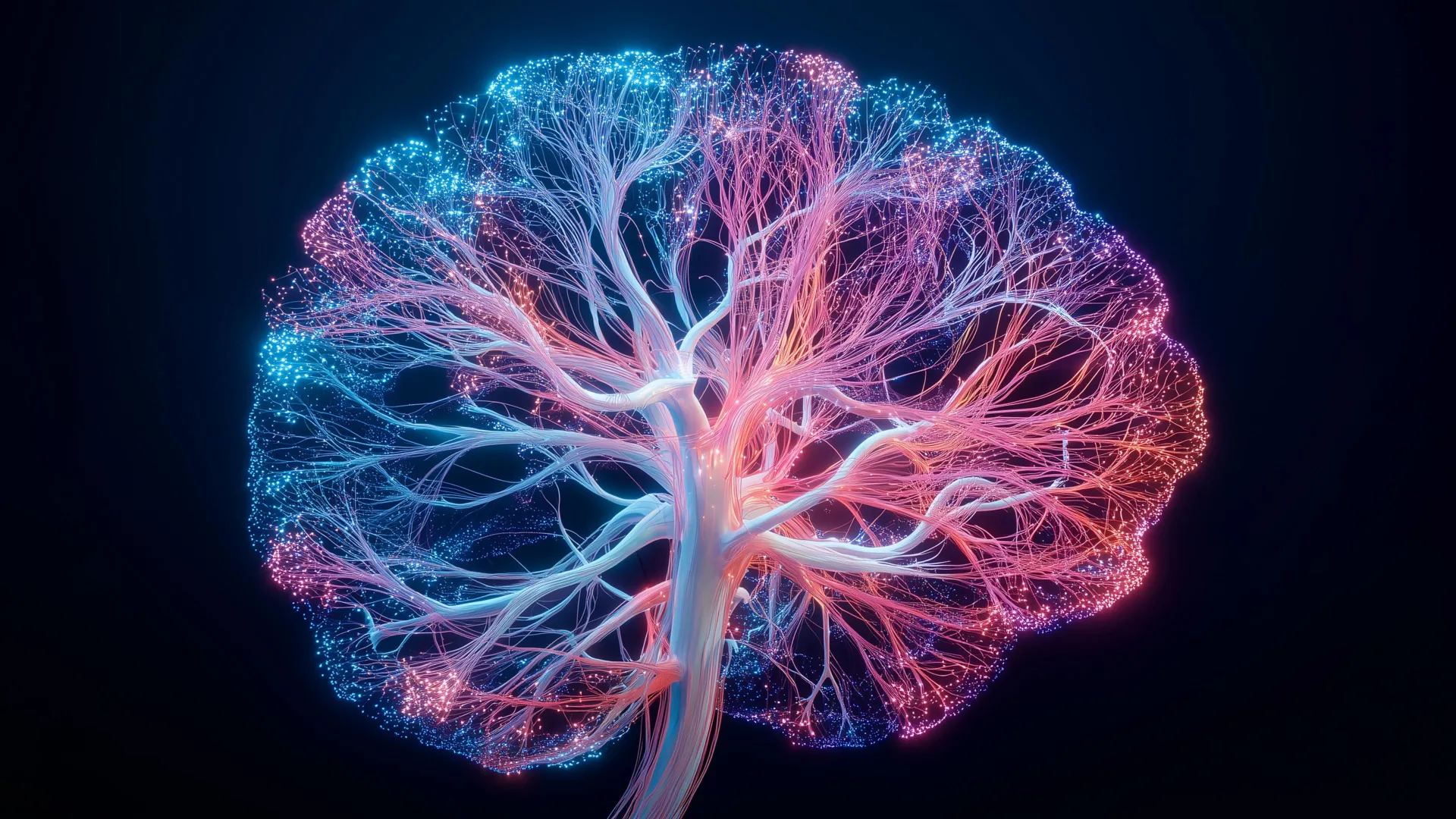
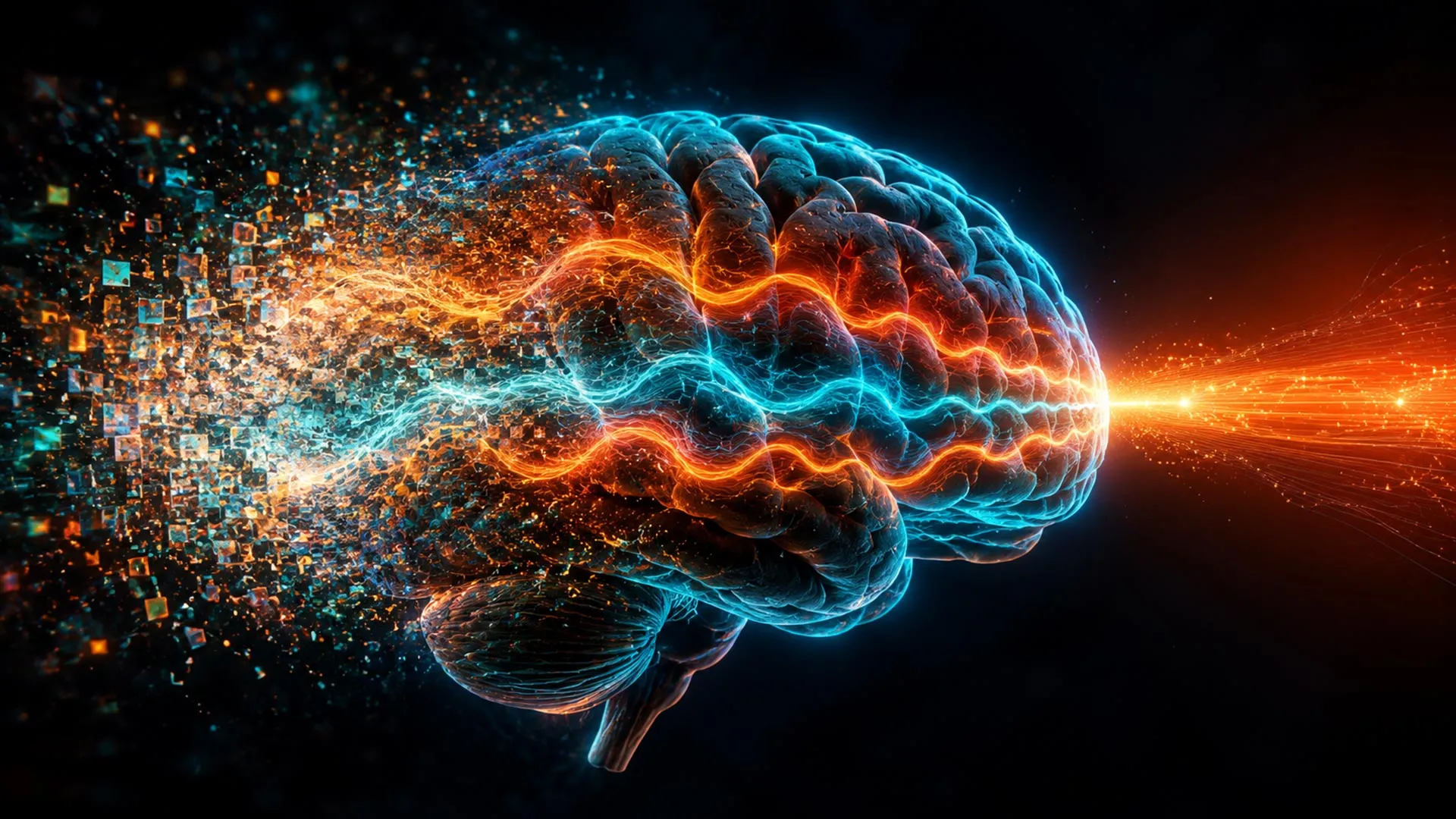
- Salk Institute researchers published a review in Neuron on July 21, 2026, proposing that neural traveling waves act as a computational engine in the visual cortex rather than mere background electrical activity.
- John Reynolds, the paper's senior author, first identified traveling brain waves in awake animals' visual systems in 2020 and linked them to whether an animal successfully noticed an object placed in front of it.
- The framework outlines four proposed functions: adjusting perception moment-to-moment, transforming recent sensory input into internal representations, generating short-term predictions, and replaying patterns tied to memories of unfolding events.
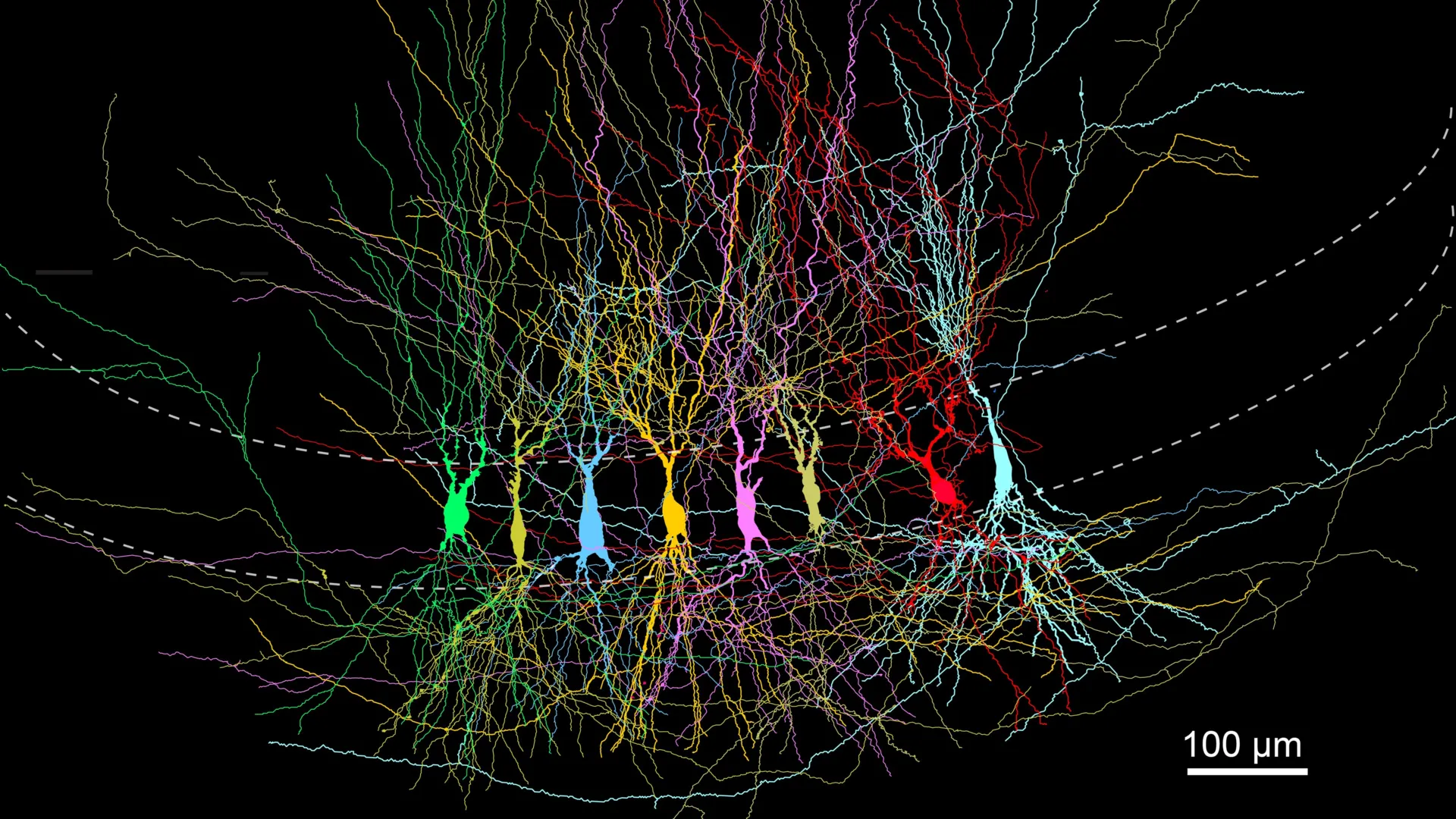
- The researchers argue the connections generating these waves alter their synaptic weights from experience, making the brain functionally analogous to a 'biological generative model' similar to how large language models learn statistical structure.
- Lyle Muller (UT Dallas and Fields Institute), Alexandra Busch (Fields Institute and Western University), and Zachary Davis (University of Utah) co-authored the paper, funded by the NIH, Research to Prevent Blindness, and the Natural Sciences and Engineering Research Council of Canada.
- The model proposes the brain learns recurring environmental patterns — 3D space, physics, physiology — and stores them in synaptic networks that generate traveling waves to assemble an internal model of the world from incoming sensory signals.
Why it matters: Understanding how traveling waves convert sensory chaos into perception gives researchers a concrete neural handle on attention lapses — like staring at your keys without seeing them. The framework also reframes the brain as a 'generative model' built from experience, loosely paralleling how LLMs learn statistical patterns rather than just storing data.
Ask SkimNews