UCLA: Metabolism and touch direct human brain stem cells — SkimNews
Get the Health newsletter
Daily health & science — research, biotech, public health, the studies worth knowing. Free.
- UCLA researchers published two studies in Cell and Science showing that radial glia stem cells respond to two distinct inputs — glucose metabolism via the pentose phosphate pathway and physical contact from thalamic projections — to determine cortical cell fate.
- In the Cell study, the team found that radial glia depend heavily on the pentose phosphate pathway; reducing glucose or disrupting that pathway caused the cells to produce more inhibitory neurons and later-stage cell types.
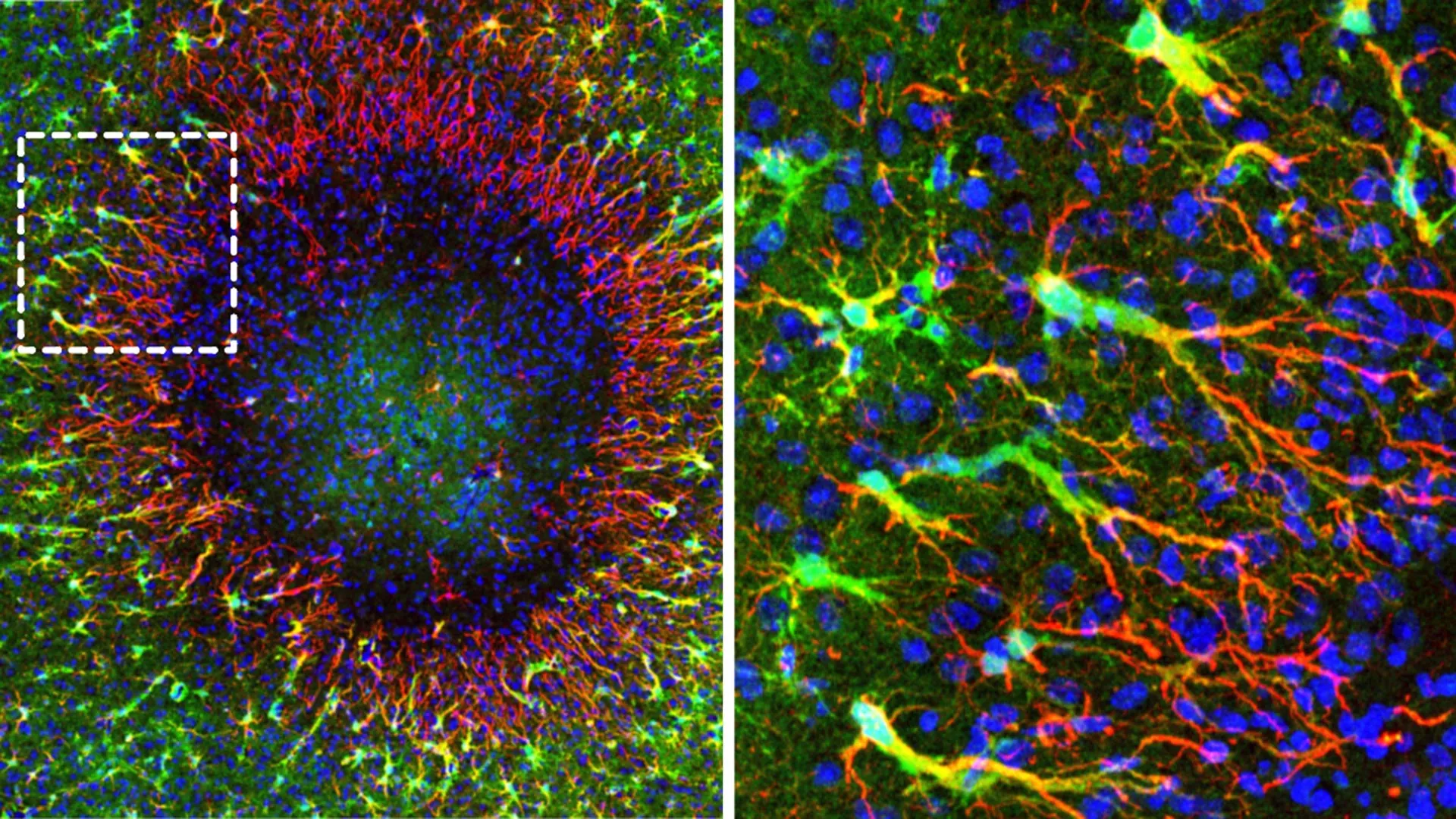
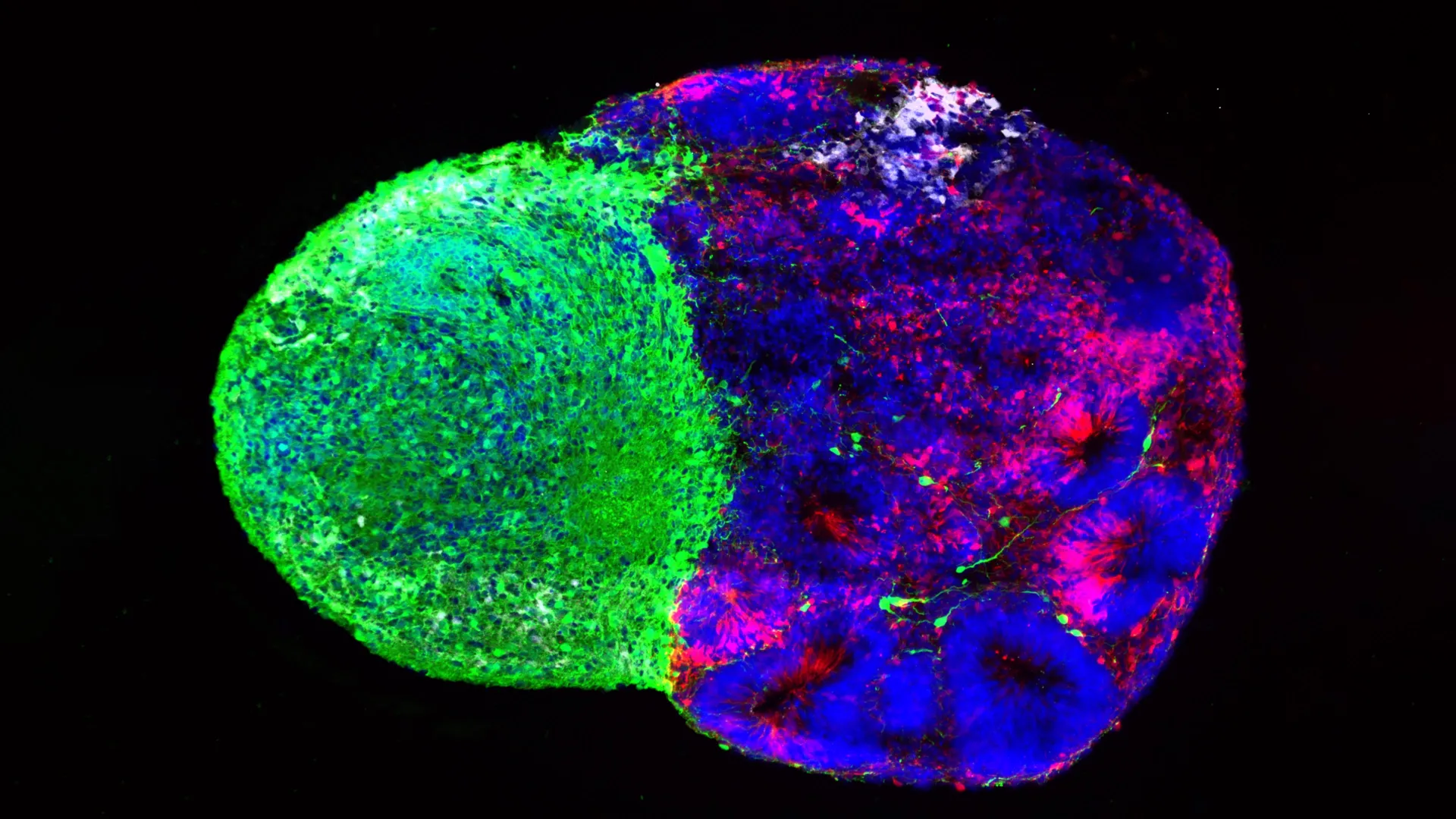
- The Science study used human brain "assembloids" to show thalamic projections physically touch radial glia during early development, driving the production of excitatory upper-layer neurons that are particularly expanded in the human cortex.
- Aparna Bhaduri said the physical thalamus-to-cortex contact "very likely does not exist in rodents," positioning it as a candidate mechanism behind uniquely human cortical expansion.
- The researchers linked the physical-contact pathway to NRXN1, a gene associated with autism spectrum disorder; assembloids derived from patients carrying an NRXN1 mutation showed altered thalamic signals and a shifted stem-cell-to-neuron balance.
- Funding came from the NIH, NSF, Brain & Behavior Research Foundation, Simons Foundation, Chan Zuckerberg Initiative, the Sloan Foundation, and others.
Why it matters: Bhaduri's team says the physical thalamic contact 'very likely does not exist in rodents,' meaning decades of mouse-based brain-development work have missed a key input shaping human cortical expansion. The NRXN1 connection gives researchers a molecular handle on how early disruptions may contribute to autism-spectrum cortical imbalances.
Ask SkimNews