Glucose suppresses hunger neurons; fructose barely does — SkimNews
Get the Health newsletter
Daily health & science — research, biotech, public health, the studies worth knowing. Free.
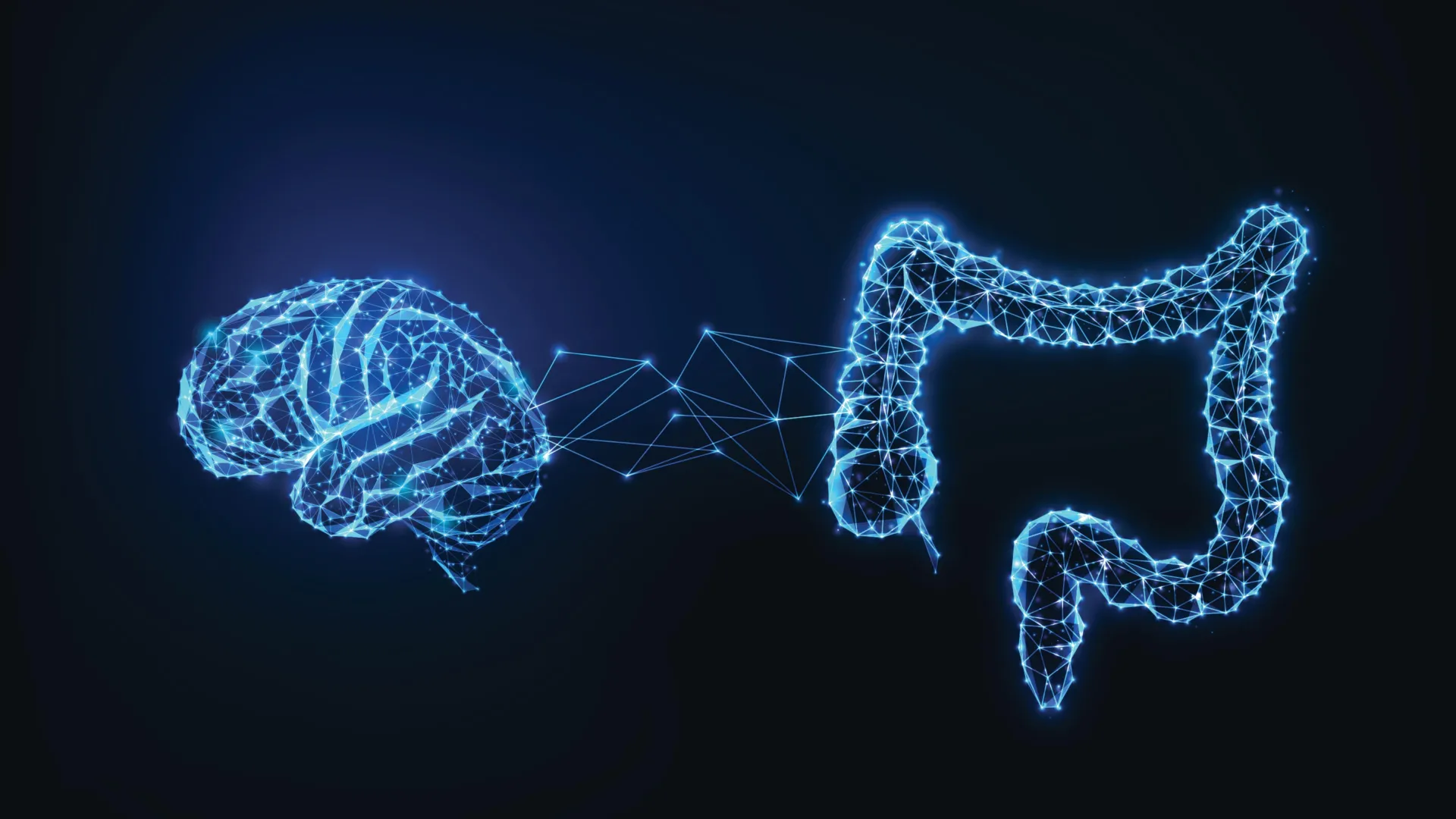
- Monell Chemical Senses Center scientists identified a dedicated gut-brain pathway by which fructose signals the brain, publishing the work June 10, 2026 in the journal Neuron.
- Fructose increased levels of gut hormone PYY, which then signaled through the vagus nerve to produce only a modest reduction in AgRP (hunger-promoting) neuron activity in mice.
- Glucose used a separate, non-PYY pathway and strongly suppressed AgRP neuron activity, producing a far larger hunger-quieting effect than fructose despite identical calories.
- High-fructose corn syrup suppressed AgRP neuron activity more strongly than fructose alone, and mice showed a preference for HFCS — a mechanism the researchers link to the sweetener's broad appeal.
- Senior author Amber Alhadeff, PhD said the findings add to a growing understanding of how modern diets high in fructose or HFCS interact with the neural systems involved in appetite.
- The study challenges the long-held assumption that AgRP neurons primarily track calorie intake regardless of source, showing they can distinguish between different sugars and respond through separate biological pathways.
Why it matters: The study overturns the assumption that hunger neurons track calories uniformly, showing AgRP neurons in mice distinguish fructose from glucose via separate pathways — meaning two foods with identical calorie counts can produce very different brain responses, with HFCS landing in between.
Ask SkimNews