Gut-Brain Circuit Shifts Cravings From Sugar to Protein — SkimNews
SkimNews Take
The newly identified gut-brain circuit for protein cravings suggests a specific biological mechanism that could override general caloric satiation, explaining why individuals might still seek particular macronutrients even when full.
Get the Health newsletter
Daily health & science — research, biotech, public health, the studies worth knowing. Free.
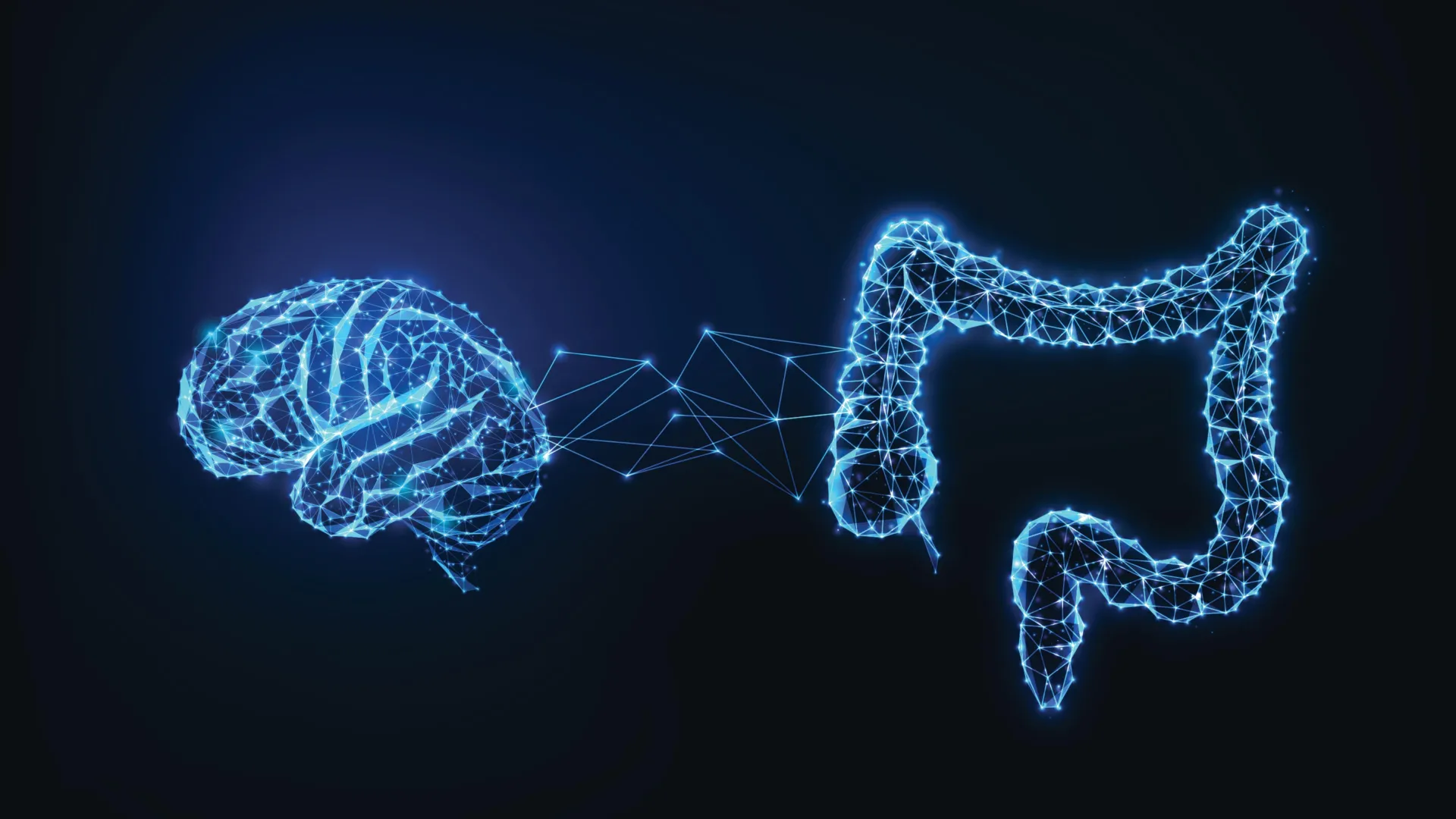
- SUH Seong-Bae and colleagues at the Institute for Basic Science, working with Seoul National University and Ewha Womans University, identified a two-pathway gut-brain network in fruit flies that detects protein shortages through one fast neural route and one slower hormonal route.
- Specialized intestinal cells release the peptide hormone CNMa when protein is scarce; CNMa activates enteric neurons wired directly to the brain and also travels through the bloodstream to sustain the protein-seeking drive over time.
- The circuit does not simply increase overall hunger — it suppresses sugar-sensitive DH44 neurons in the brain, actively shifting feeding preferences away from sugar and toward protein-rich nutrients.
- Fruit flies lacking normal gut microbes showed much stronger activation of amino-acid-seeking brain neurons, indicating the microbiome helps calibrate this nutrient-sensing pathway.
- Follow-up mouse experiments showed the same amino-acid preference under protein deprivation, and — surprisingly — mice lacking FGF21, a hormone long considered central to protein appetite in mammals, still sought out essential amino acids.
- The findings were published in Science on May 21, 2026; the team argues that most existing obesity and appetite drugs already target gut-hormone signaling, even though the body's natural nutrient-selection circuits remain poorly mapped.
- Director SUH said the gut should be understood as 'an active sensory system that continuously monitors nutritional state and directly guides behavioral decisions,' not just a digestive organ.
Why it matters: The mouse result undercuts the prevailing view that FGF21 is the master regulator of protein appetite in mammals, implying an entire additional layer of gut-brain nutrient sensing has yet to be mapped. For the obesity-drug pipeline — which is already built on gut-hormone targets like GLP-1 — the IBS team is making a pointed argument that selectivity, not just suppression, will require a much more complete atlas of these natural gut-brain circuits.
Ask SkimNews