Adult Brain Repairs Itself by Sliding Nuclei Into Damage — SkimNews
Get the Health newsletter
Daily health & science — research, biotech, public health, the studies worth knowing. Free.
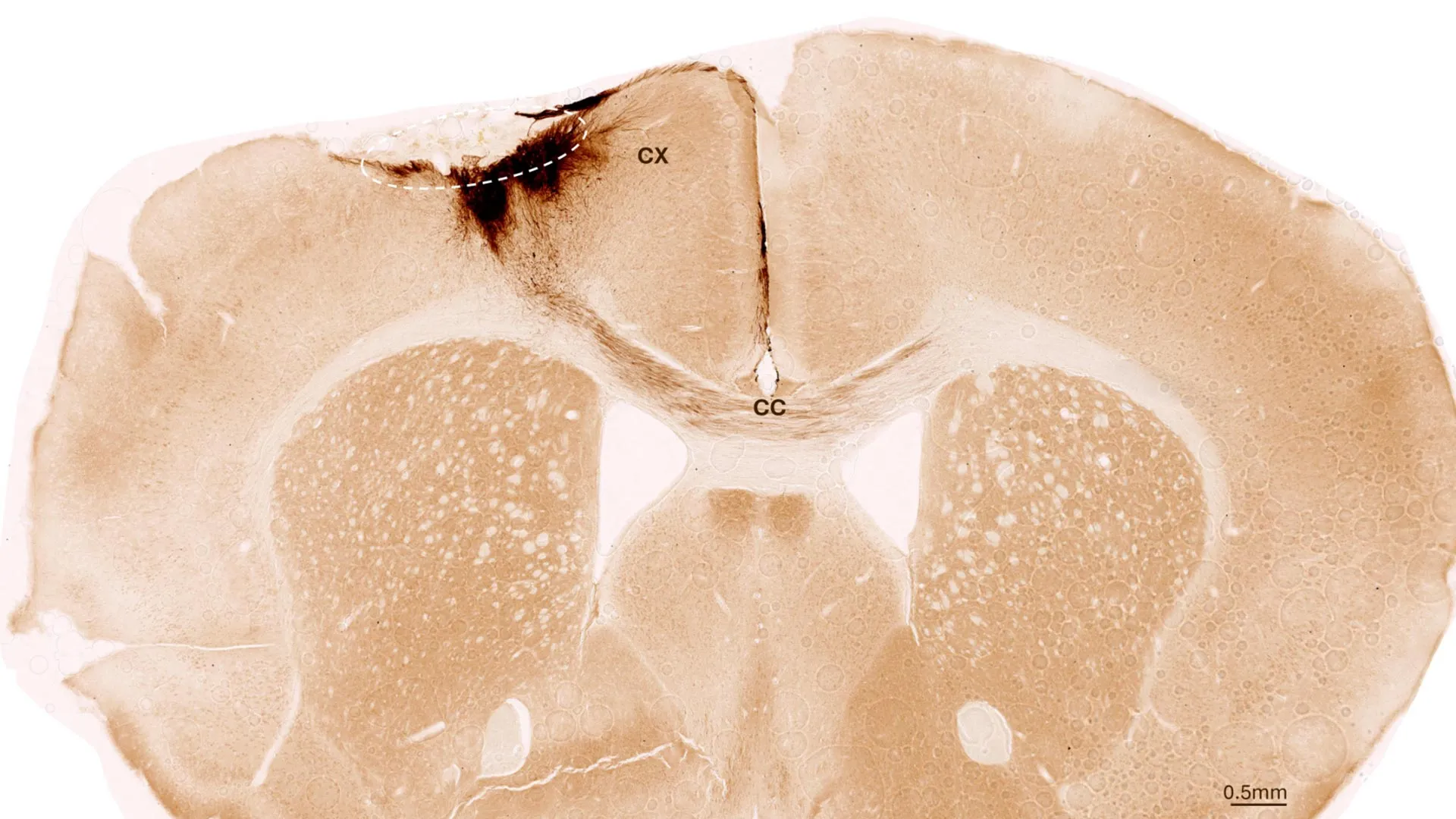
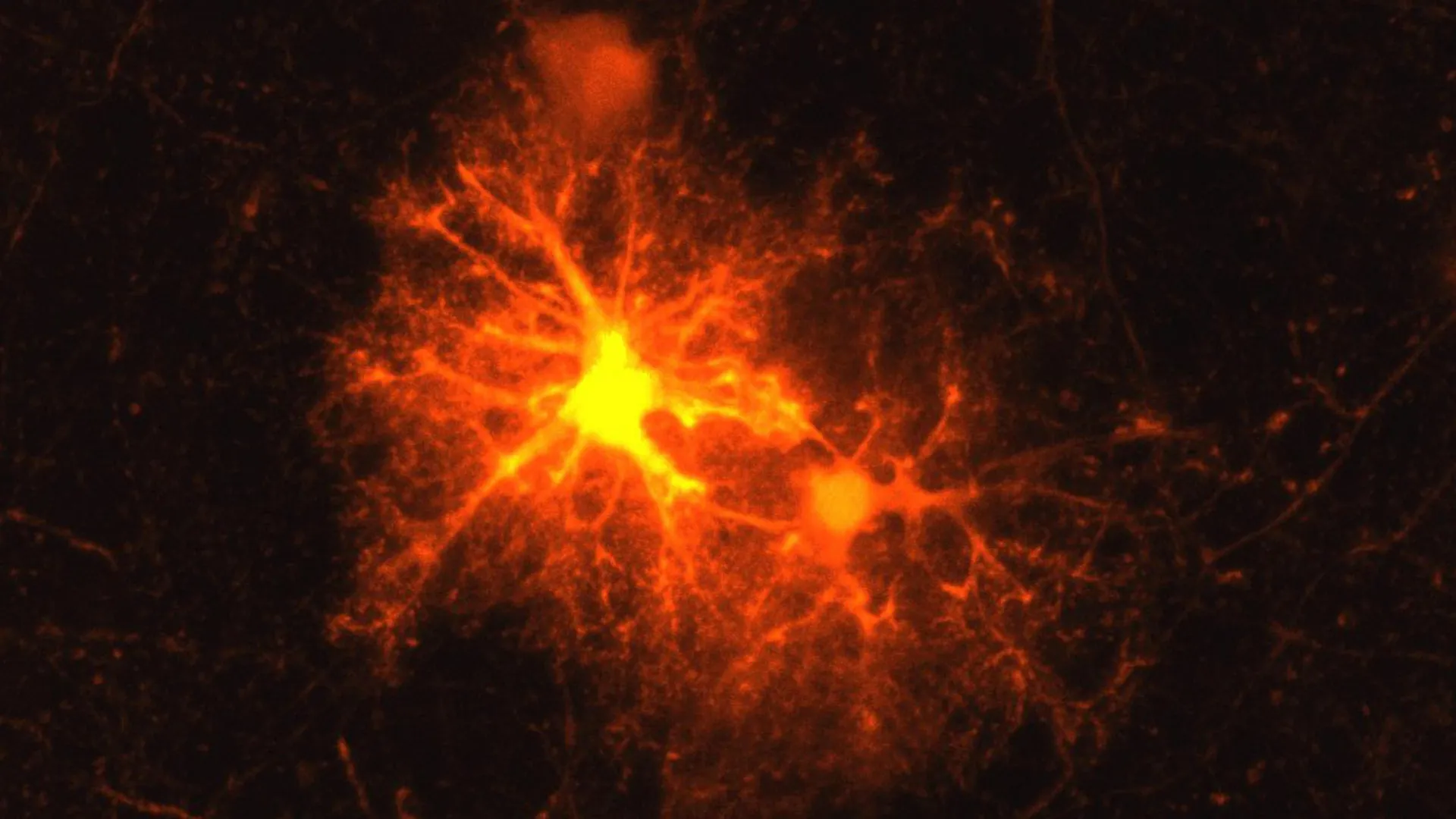
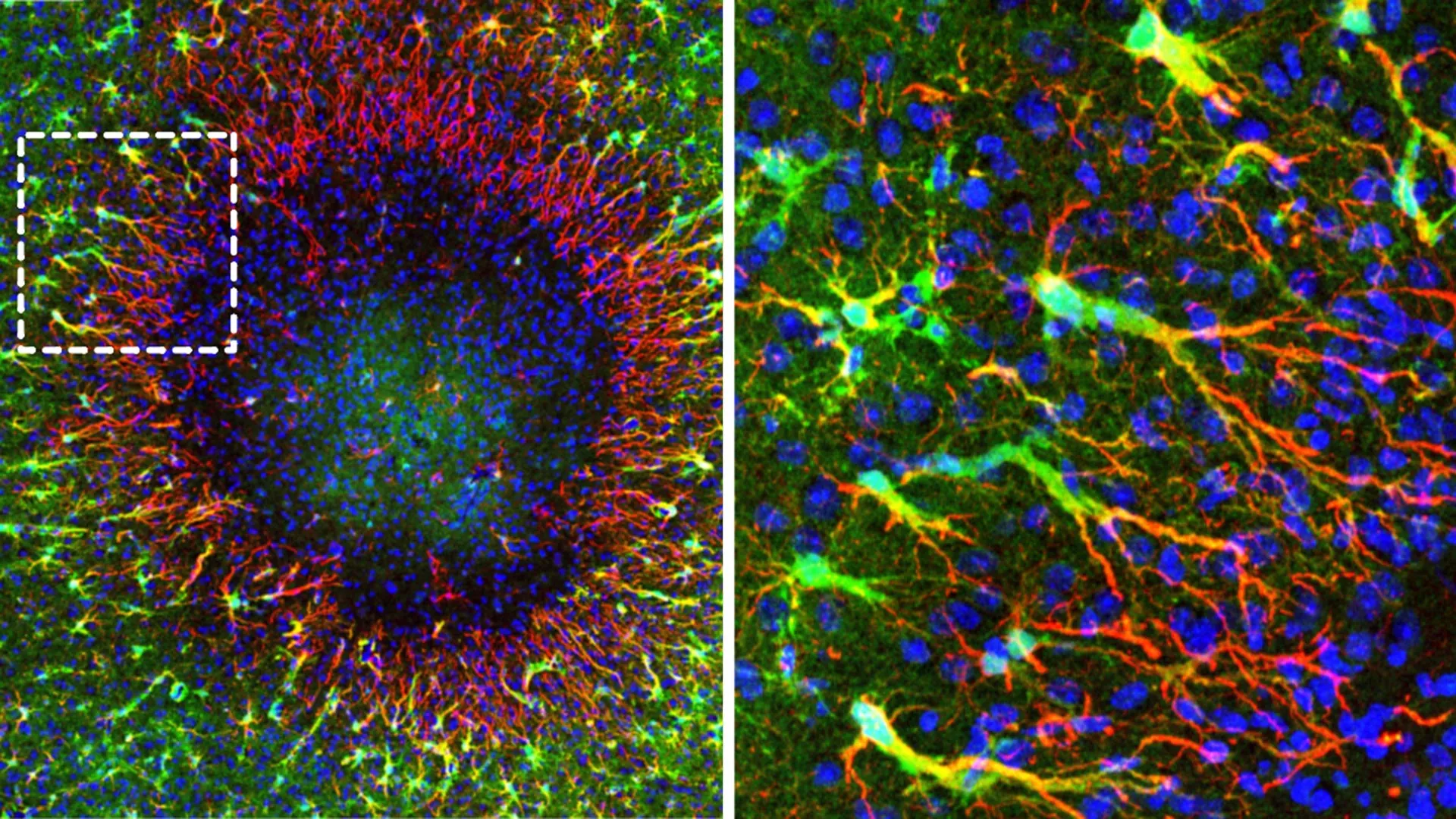
- University of Zurich researchers identified a specialized population of "regenerative" astrocytes in the brains of living mice that repopulate damaged tissue, challenging the long-held view that the adult brain cannot fully replace lost astrocytes.
- Rather than moving entire new cells into the injured area, the regenerative astrocytes send newly created nuclei gliding through long cellular extensions to knit the brain's support network back together.
- The team — led by Bruno Weber with co-lead authors Marina Herwerth and Matthias Wyss at UZH's Institute of Pharmacology and Toxicology — used two-photon microscopy to observe living mouse brains in real time for several weeks while tracking gene activity.
- The finding is relevant to neuromyelitis optica spectrum disorder, an autoimmune disease in which the body's own antibodies attack and destroy astrocytes, as well as to brain injuries more broadly.
- Published in Nature Neuroscience (Vol. 29, Issue 8, 2026; DOI: 10.1038/s41593-026-02354-5), the study also identified numerous genes and signaling pathways temporarily activated during repair that could serve as future therapeutic targets.
Why it matters: For conditions like neuromyelitis optica spectrum disorder and brain injuries, where astrocytes are destroyed, this study provides a concrete biological mechanism — nuclear translocation through astrocyte extensions — and a set of newly mapped gene targets that researchers can now pursue to develop regenerative therapies, overturning the assumption that the adult brain cannot rebuild its own astrocyte networks.
Ask SkimNews