Stem Cell Transplants Restore Movement After Stroke in Mice — SkimNews
Get the Health newsletter
Daily health & science — research, biotech, public health, the studies worth knowing. Free.
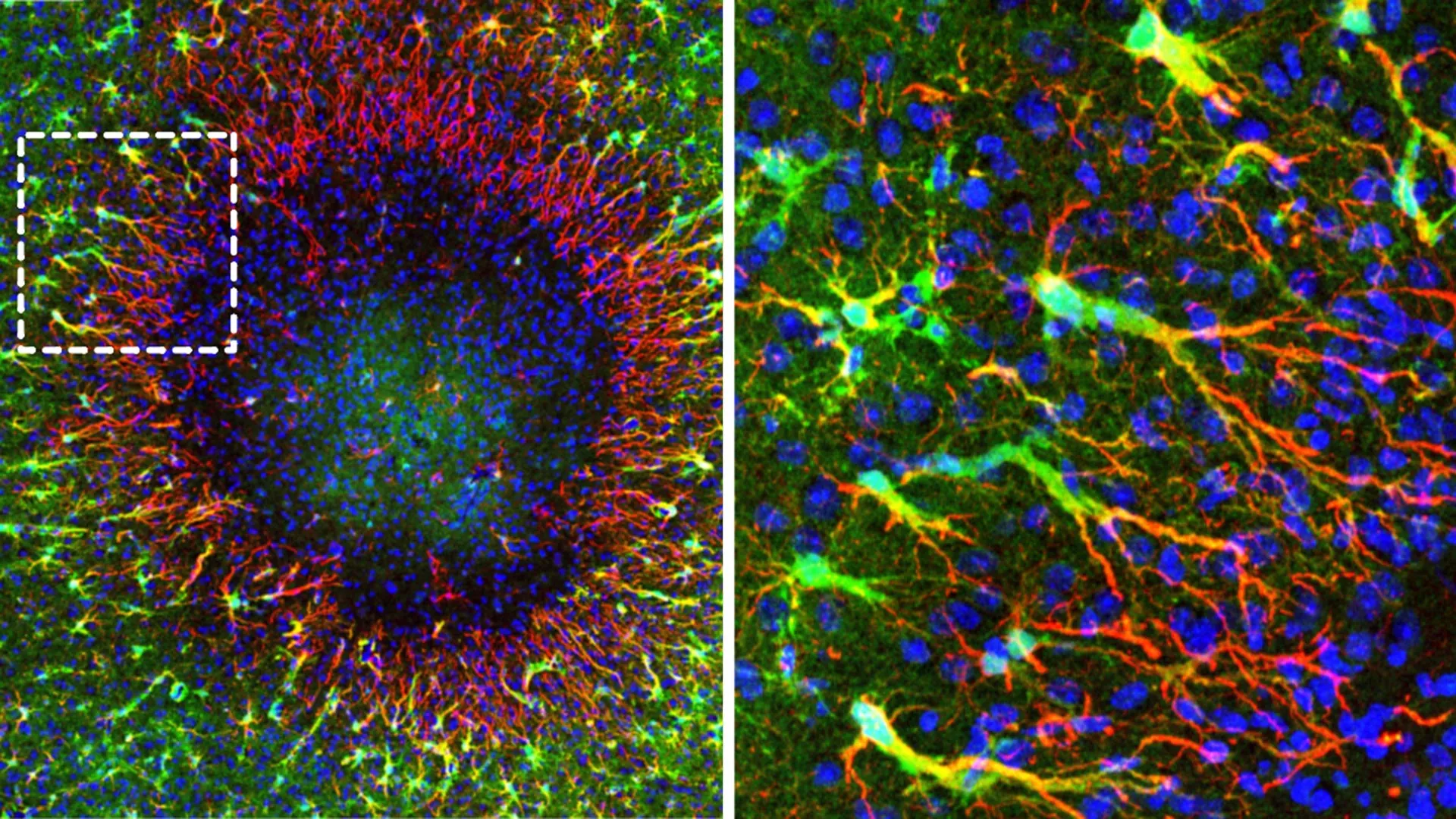
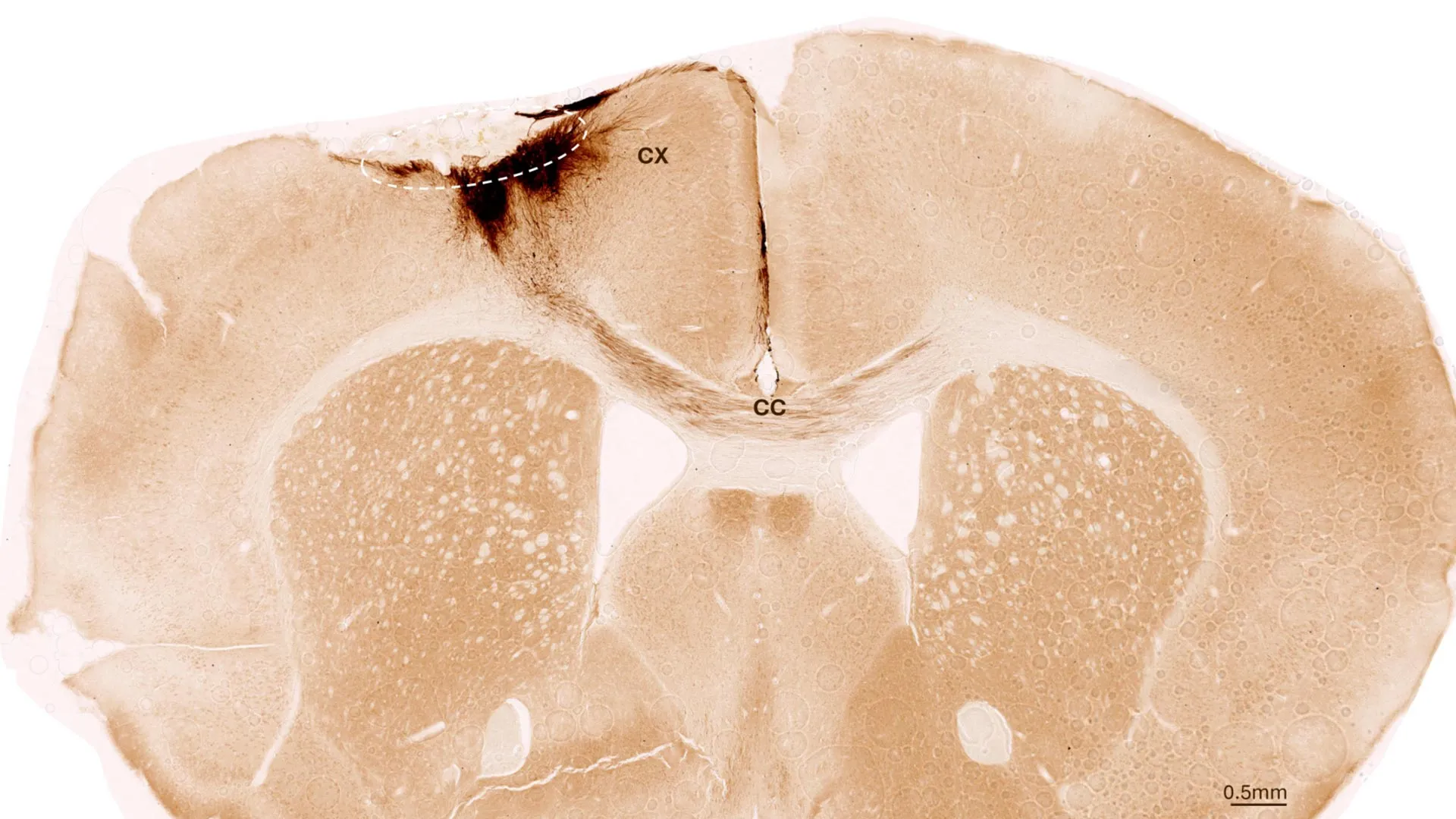
- University of Zurich researchers led by Christian Tackenberg and postdoctoral researcher Rebecca Weber found that transplanted human neural stem cells regenerated stroke-damaged brain tissue and reversed motor impairments in mice.
- The transplanted cells — derived from induced pluripotent stem cells — survived the full five-week analysis period, transformed into neurons, and communicated with the animals' existing brain cells.
- Beyond replacing lost neurons, the treatment triggered broader healing: new blood vessels formed in damaged tissue, inflammation eased, and integrity of the blood-brain barrier improved.
- Researchers discovered that delaying transplantation to one week after a stroke worked better than immediate delivery, a timing insight that could make eventual clinical use far more practical.
- The team produced stem cells without animal-derived reagents through a collaboration with Kyoto University's Center for iPS Cell Research and Application (CiRA), reducing regulatory hurdles for human use.
- To address safety concerns, the group is developing a kill-switch to prevent uncontrolled stem cell growth and is exploring an endovascular delivery method that would avoid direct brain surgery.
- Tackenberg noted that induced stem cell trials for Parkinson's disease are already underway in Japan, suggesting stroke could be the next disease to reach human clinical trials.
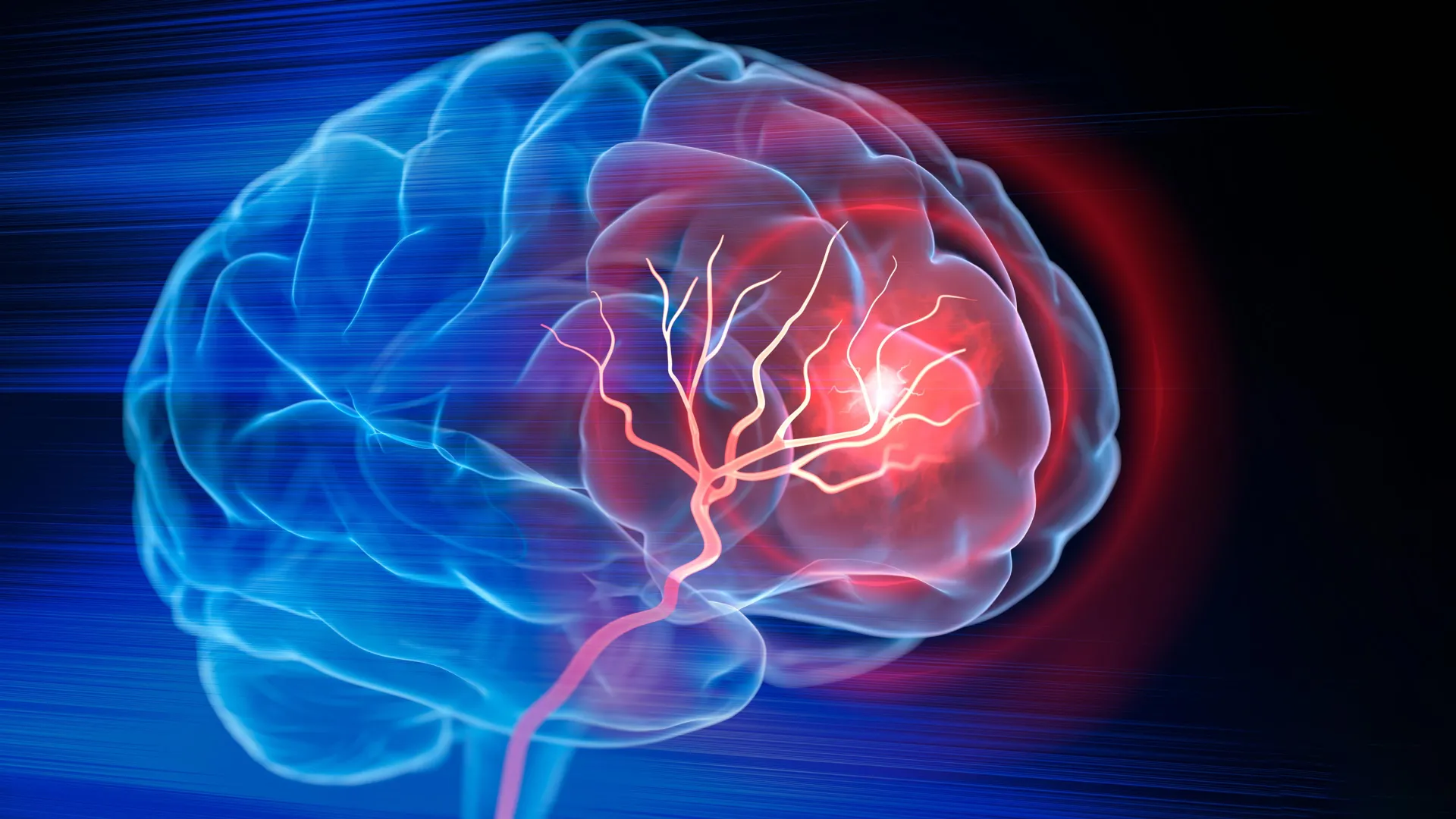
Why it matters: About one in four adults suffers a stroke in their lifetime, and roughly half are left with lasting disabilities — yet no current treatment rebuilds damaged brain tissue. If the one-week post-stroke timing finding holds in humans, hospitals could integrate this therapy without needing immediate emergency delivery, opening a regenerative option for a patient population that today has none.
Ask SkimNews