Duke injectable scaffold rebuilds stroke-damaged mouse brains — SkimNews
Get the Health newsletter
Daily health & science — research, biotech, public health, the studies worth knowing. Free.
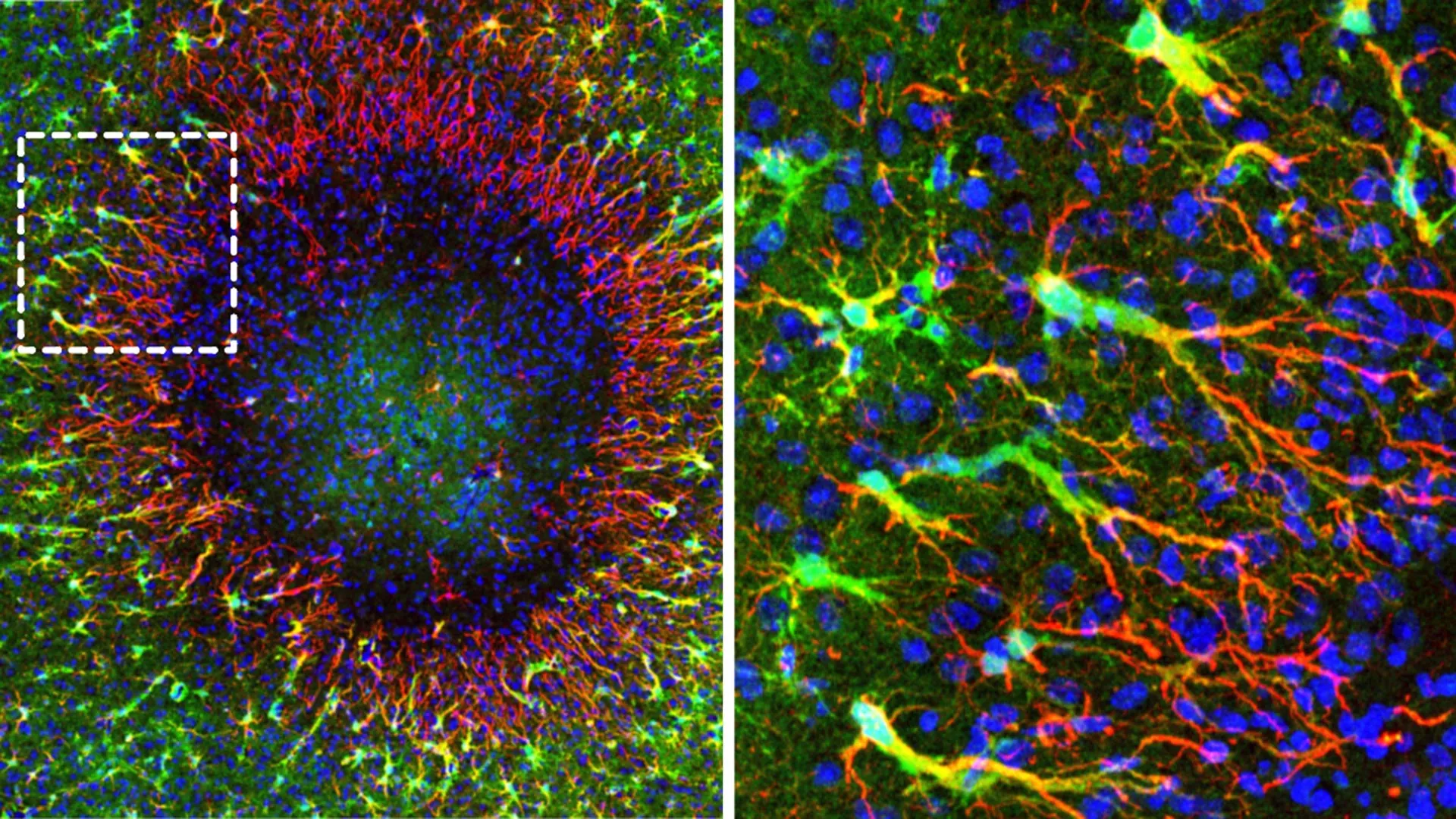
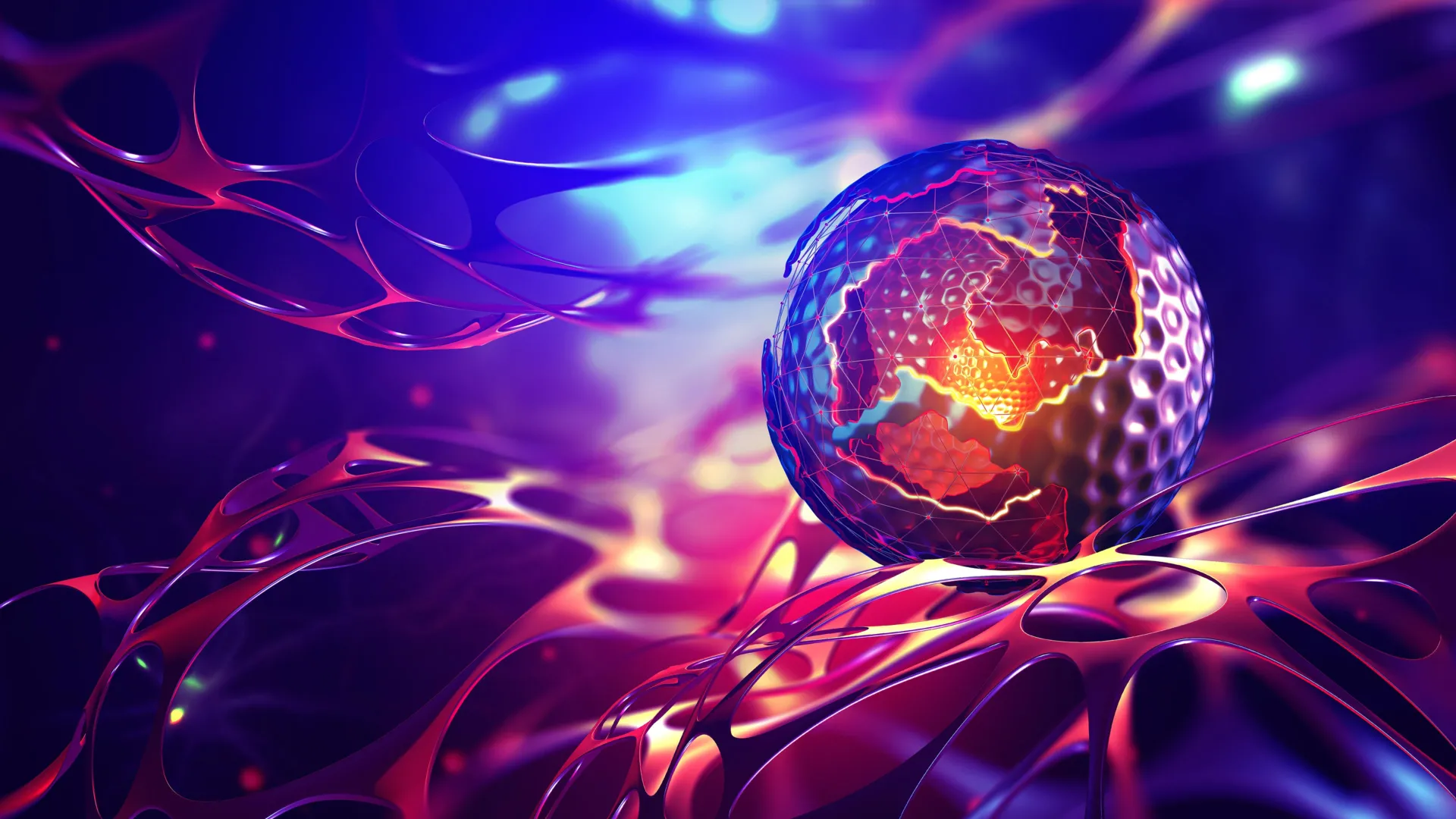
- Duke University biomedical engineers built an injectable scaffold (microporous annealed particle scaffolds, or MAPS) that turned stroke-damaged cavities into environments where new blood vessels formed, axons grew, and mice regained motor function.
- Researchers attached extracellular vesicles collected from lab-grown astrocytes to the surfaces of the hydrogel microparticles so that repair signals stayed concentrated inside the cavity rather than diffusing away.
- A combination of IL-4 and C1q signaling proved especially effective at drawing macrophages and a persistent neutrophil population into the injured region — and reducing those neutrophils caused blood vessel formation to decline substantially.
- Treated mice performed significantly better on a grid-walking forelimb test, and by eight weeks could not be statistically distinguished from healthy control animals, with the improvement persisting through the rest of the study.
- EVs injected without the scaffold failed to reproduce the repair, indicating that the biomaterial's porous architecture and ability to localize signals was essential, not just the vesicle cargo.
- Lead scientist Shangjing Xin and principal investigator Tatiana Segura noted that neutrophils — long seen as agents of post-stroke inflammation — appear to switch into a repair-supporting role when given the right timing, location and signals.
- The treatment is still preclinical — tested only in mouse models so far — and the Segura lab is now working toward using EVs from human induced pluripotent stem cell-derived astrocytes as a more scalable source.
Why it matters: More than a million people in the U.S. alone suffer ischemic strokes each year, and once brain tissue dies, no current therapy can replace it — clot-busting drugs, mechanical clot removal and rehab can only save or retrain what's still viable. This Duke approach demonstrated actual structural regeneration in mice, including new vasculature and axons, with motor recovery statistically indistinguishable from healthy animals by eight weeks. Even at the preclinical stage, it represents a different therapeutic logic: engineering a local healing niche that coordinates multiple repair systems rather than delivering a single drug.
Ask SkimNews