AI Reveals Brain 'Rejuvenation' After Severe Stroke — SkimNews
Get the Health newsletter
Daily health & science — research, biotech, public health, the studies worth knowing. Free.
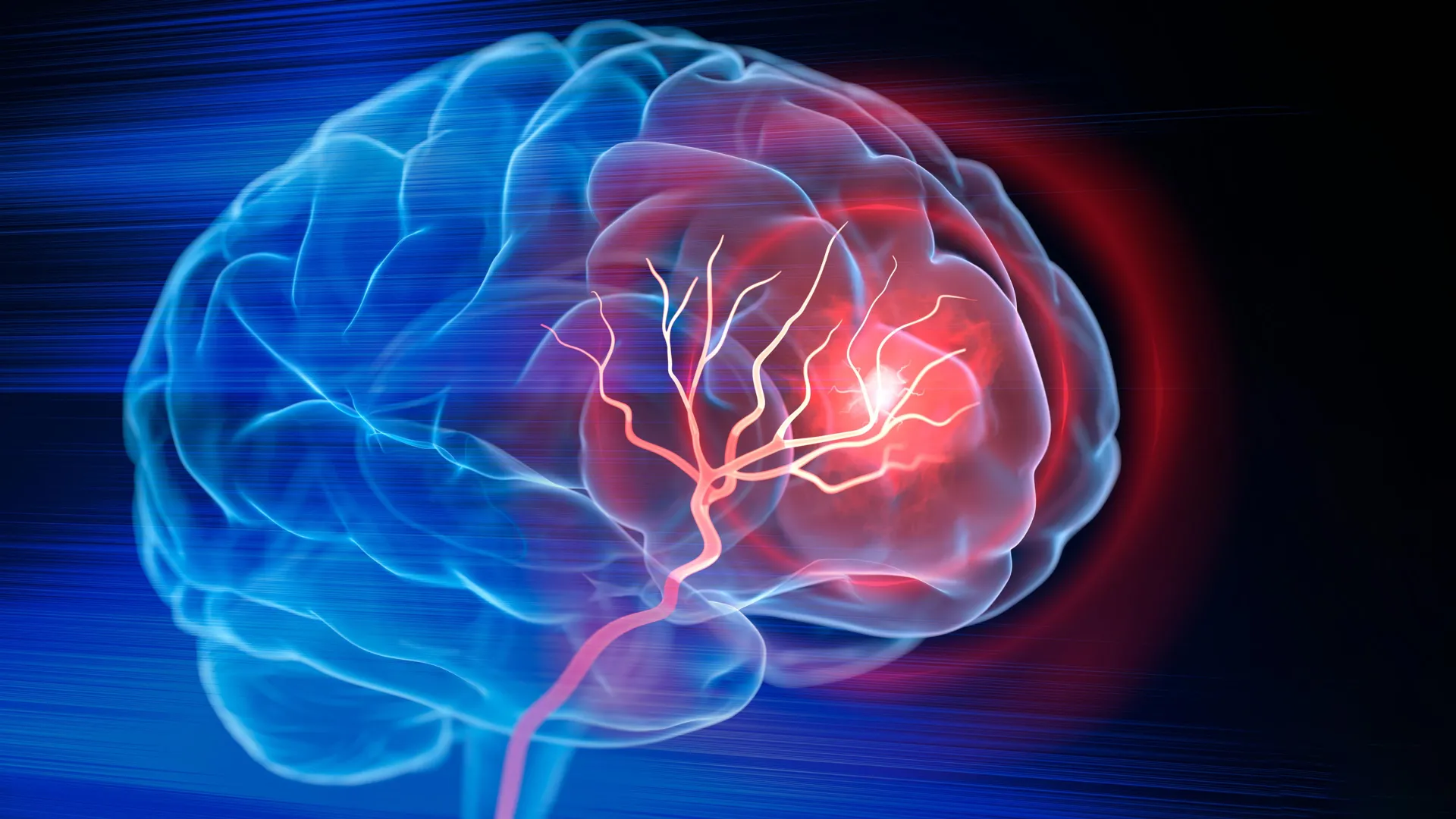
- USC researchers published a study in The Lancet Digital Health analyzing brain scans from 500+ stroke survivors across 34 research centers in 8 countries, finding the damaged hemisphere appears to age faster while the opposite undamaged side looks younger.
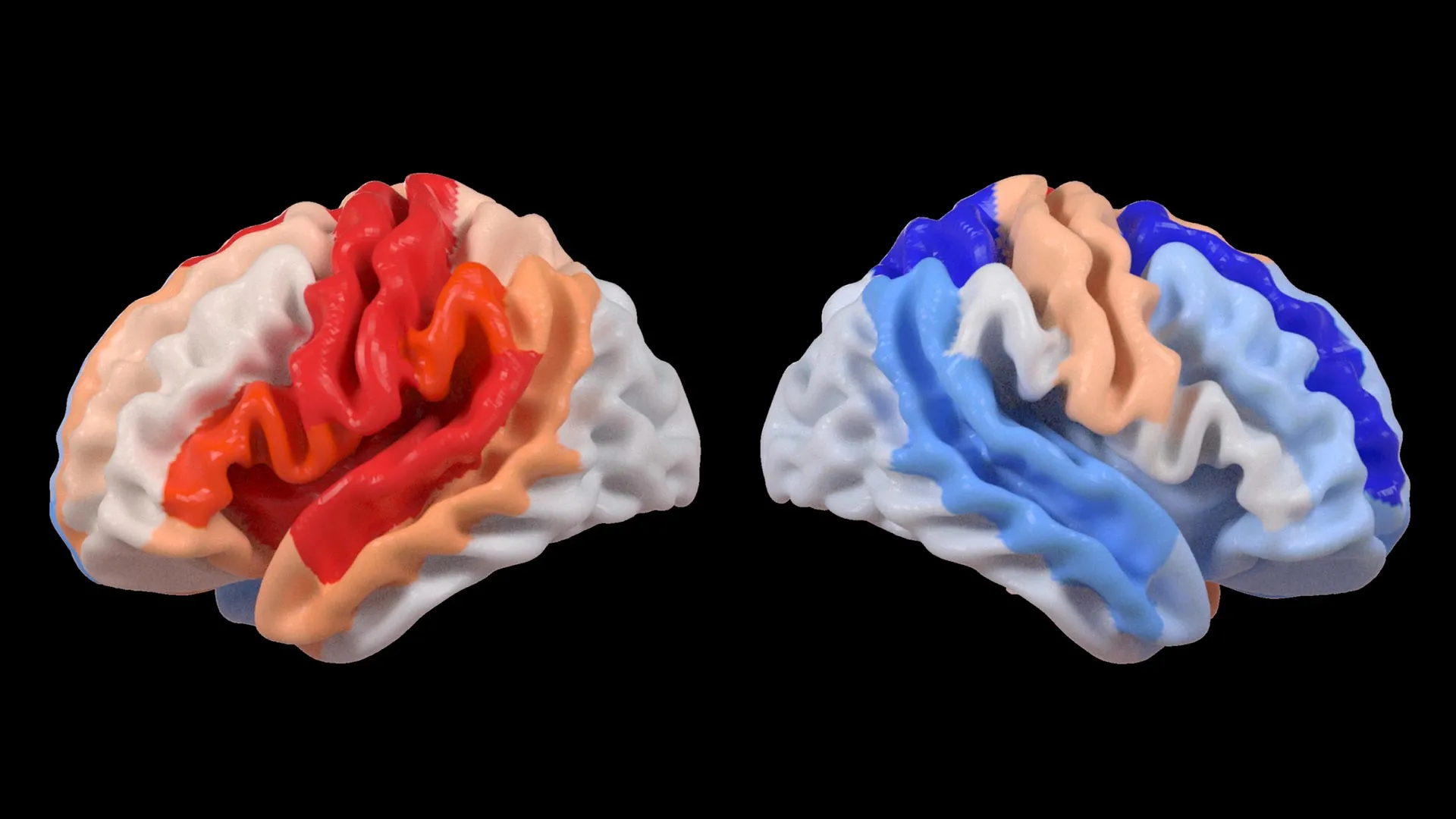
- Hosung Kim, PhD of the Keck School of Medicine said larger strokes accelerate aging in the damaged hemisphere but paradoxically make the contralesional side appear younger, a pattern the team interprets as the brain reorganizing healthy networks to compensate.
- The "rejuvenation" effect was strongest in survivors with severe motor impairments that persisted beyond 6 months of rehabilitation, particularly in the frontoparietal network, which governs movement planning, attention, and coordination.
- Researchers applied a graph convolutional network AI model trained on tens of thousands of MRI scans to estimate the biological age of 18 brain regions, using the gap between predicted and actual age (brain-PAD) as a health indicator.
- The study was conducted under the ENIGMA Stroke Recovery Working Group, pooling standardized MRI data into what researchers call the largest stroke neuroimaging dataset of its kind.
- Funded by NIH grant R01 NS115845, the work drew on collaborators from the University of British Columbia, Monash University, Emory University, and the University of Oslo, with the team now planning longitudinal patient tracking to guide personalized rehabilitation.
Why it matters: The finding gives clinicians a new imaging-based window into neuroplasticity that traditional scans cannot detect, and the team explicitly frames it as groundwork for personalized rehabilitation. The key nuance the source stresses: the "younger" contralesional brain is not full recovery but compensation by the undamaged hemisphere, which could change how therapists target therapy for the roughly one-third of stroke patients left with severe motor deficits months after rehabilitation.
Ask SkimNews