Hidden brain wiring may help keep the mind sharp as gray matter shrinks — SkimNews
Get the Health newsletter
Daily health & science — research, biotech, public health, the studies worth knowing. Free.
- USC's Stevens Neuroimaging and Informatics Institute found that superficial white matter—the thin layer of nerve fibers just beneath the brain's surface—may cushion cognition against gray matter loss in older adults.
- The study analyzed 459 adults aged 60 and older living across India using diffusion MRI, and was published in Alzheimer's & Dementia.
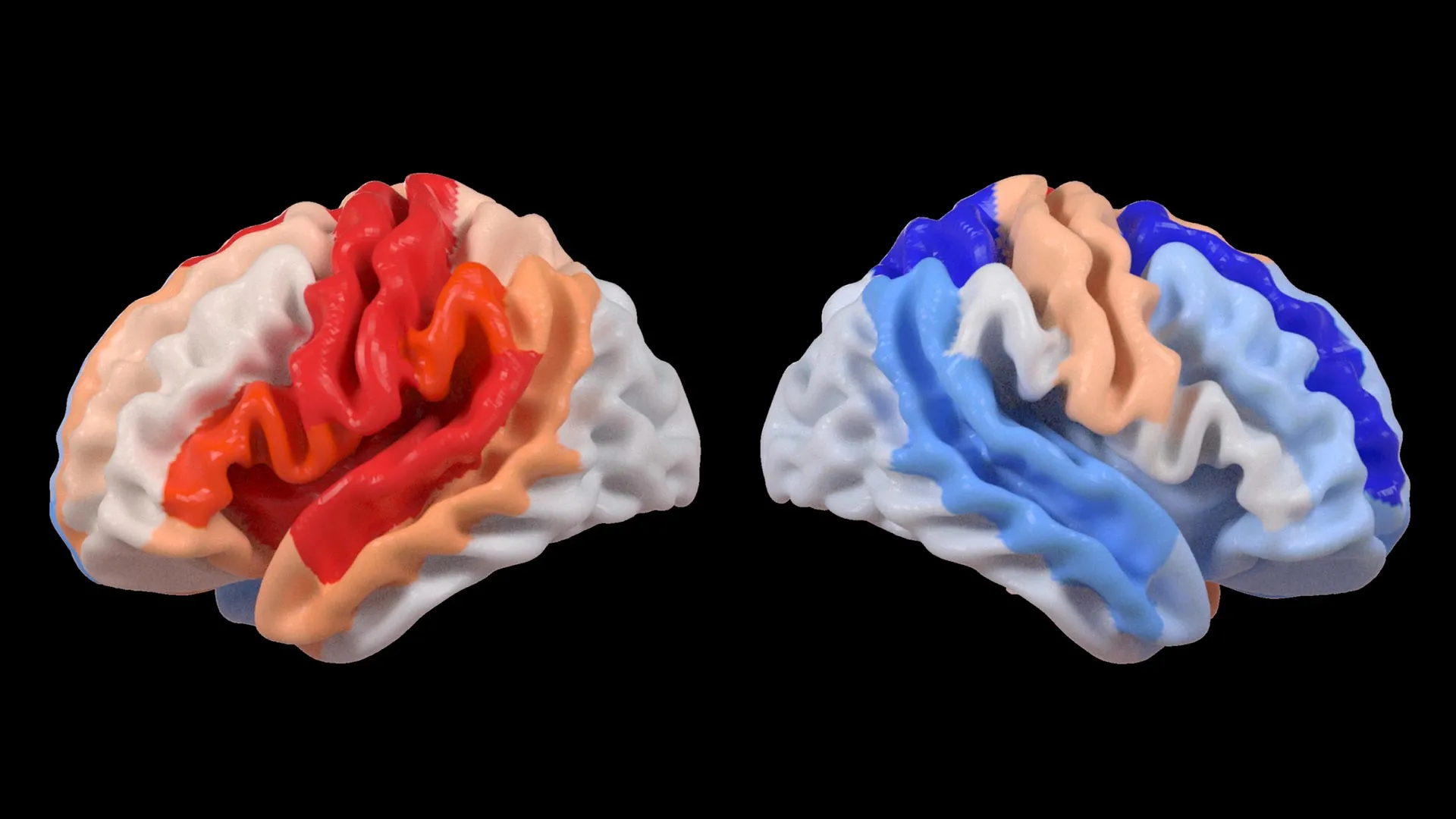
- Healthier superficial white matter was most strongly linked to better language performance, with the strongest effects in frontotemporal regions involved in word recognition and fluency.
- When local connections were poorer, gray matter loss was more tightly tied to impaired language and broader cognitive difficulties; when healthier, the cognitive impact of gray matter loss weakened.
- The study drew on the Longitudinal Aging Study in India (LASI-DAD), where more than half of participants have low literacy and about 60% live in rural communities—populations historically underrepresented in brain imaging research.
- The white matter–language association was more pronounced among participants who couldn't read or had no formal education, suggesting brain aging is shaped by a mix of education, social circumstances, and health.
- Researchers noted the cross-sectional design cannot establish whether white matter deterioration precedes, follows, or accompanies gray matter loss, making longitudinal follow-up the next step.
Why it matters: This study reframes cognitive aging research by identifying superficial white matter as a source of resilience—and by analyzing a low-literacy, rural Indian cohort (60% rural, 50%+ low literacy), it brings underrepresented populations into brain imaging science. For dementia researchers, local white matter integrity is now a candidate biomarker warranting longitudinal follow-up.
Ask SkimNews