Two-Drug Combo Reduces Stroke Brain Damage — SkimNews

Get the Health newsletter
Daily health & science — research, biotech, public health, the studies worth knowing. Free.
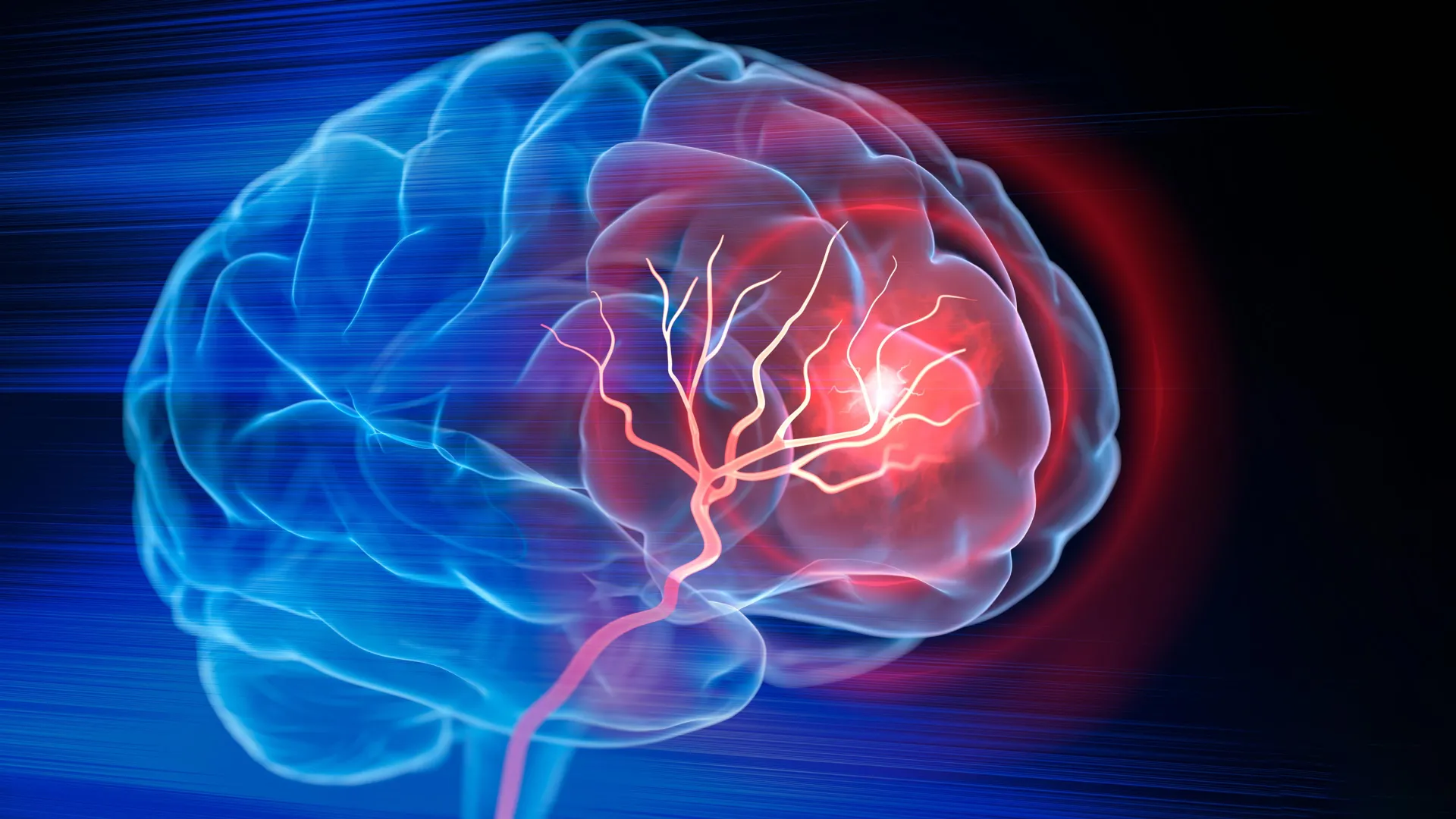
- Shuaili Xu at Capital Medical University in Beijing and colleagues combined promethazine (a hay fever antihistamine) and chlorpromazine (an antipsychotic), reducing core body temperature in mice and rhesus monkeys after induced strokes and lessening brain damage.
- Treated monkeys displayed better limb use after the drug-induced cooling, which also suppressed glucose metabolism in cells during the stroke event.
- Kirsten Coupland at the University of Newcastle, who was not involved in the study, said physical cooling methods — blankets, ice packs and helmets — have failed because they trigger intense shivering and discomfort.
- A clinical trial of 32 stroke patients found the drug combination only lowered body temperature by 0.3°C and did not reduce stroke damage, likely because infusions were administered over 12 hours, too slow for meaningful cooling.
- The research team is launching a follow-up trial using faster one-hour infusions to see whether stronger cooling effects produce therapeutic benefits.
- Both drugs have been used safely in humans since the 1950s and act on the central nervous system to lower body temperature without causing shivering or subjective feelings of coldness.
- The findings were published in Science Translational Medicine (DOI: 10.1126/scitranslmed.ady7847).
Why it matters: If faster one-hour infusions succeed in the follow-up trial, stroke patients could gain a repurposed, low-cost cooling treatment using drugs with decades of human safety data — potentially limiting the brain damage that drives long-term speech and movement problems that physical cooling methods have failed to address.
Ask SkimNews