Postbiotic IPA Cuts Brain Damage in Mouse TBI Study — SkimNews

Get the Health newsletter
Daily health & science — research, biotech, public health, the studies worth knowing. Free.
- Yan Qu at the Air Force Medical University in Shaanxi, China measured IPA levels in blood samples from 106 traumatic brain injury patients and found that higher concentrations correlated with less swelling around brain lesions and better neurological outcomes six months later.
- Mice given IPA daily for two weeks before a brain injury showed less swelling, neuronal death, and tissue damage than controls, and performed better on movement, learning, and memory tests through 14 days post-injury.
- The protective effect works through IPA activating the aryl hydrocarbon receptor in astrocytes — support cells that can turn inflammatory after injury — preserving mitochondrial function and suppressing damaging immune responses.
- Miguel Pappolla at the University of Texas Medical Branch, whose team first reported IPA's neuroprotective properties in 1999, called the new study "a significant advance" for identifying a detailed mitochondrial mechanism in astrocytes after TBI.
- Federico Rey at the University of Wisconsin–Madison said the approach is prophylaxis, not therapy — "no one can pre-dose a car crash" — but could be explored for people at risk of repeated head impacts such as contact-sport athletes or military personnel.
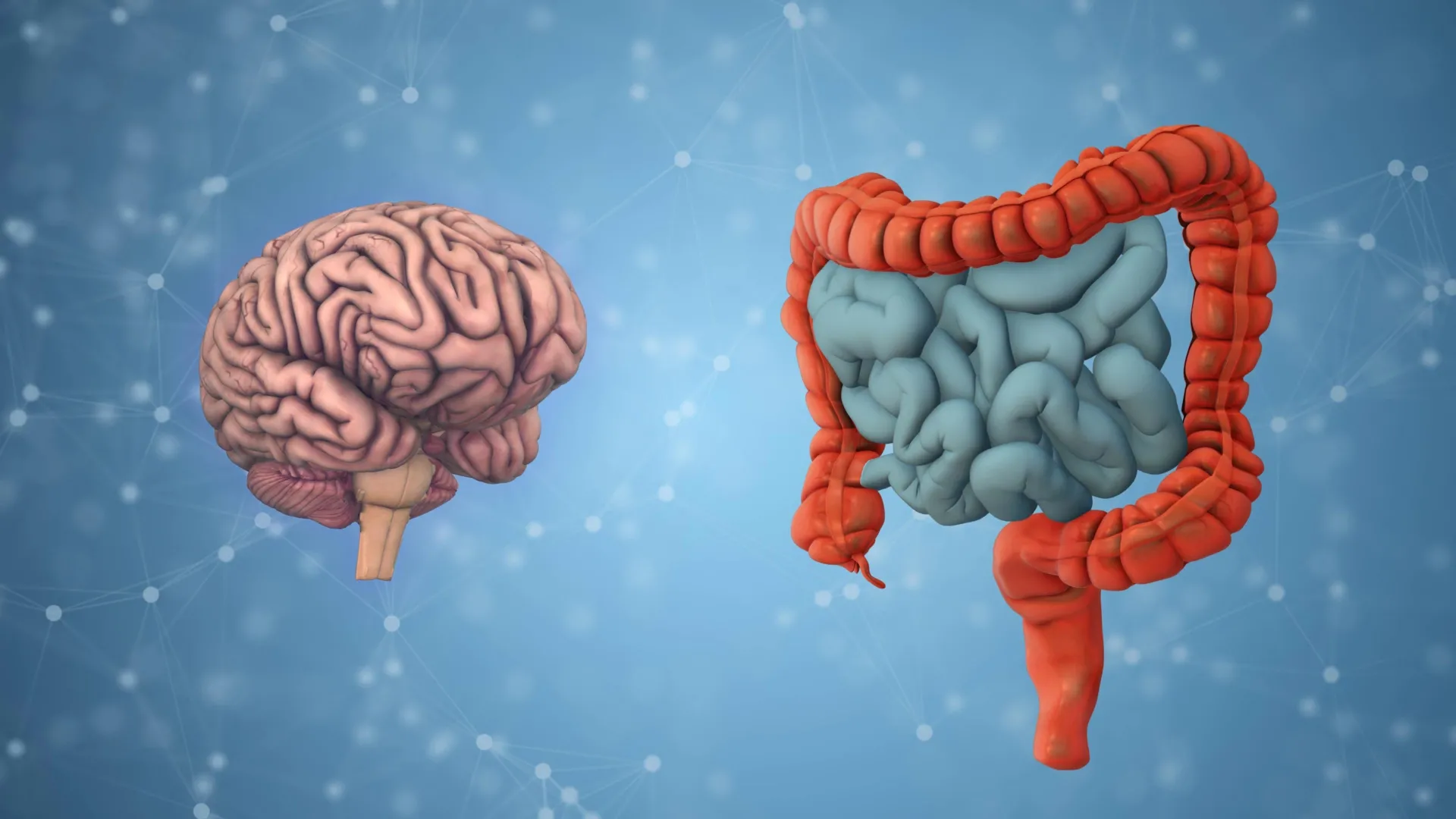
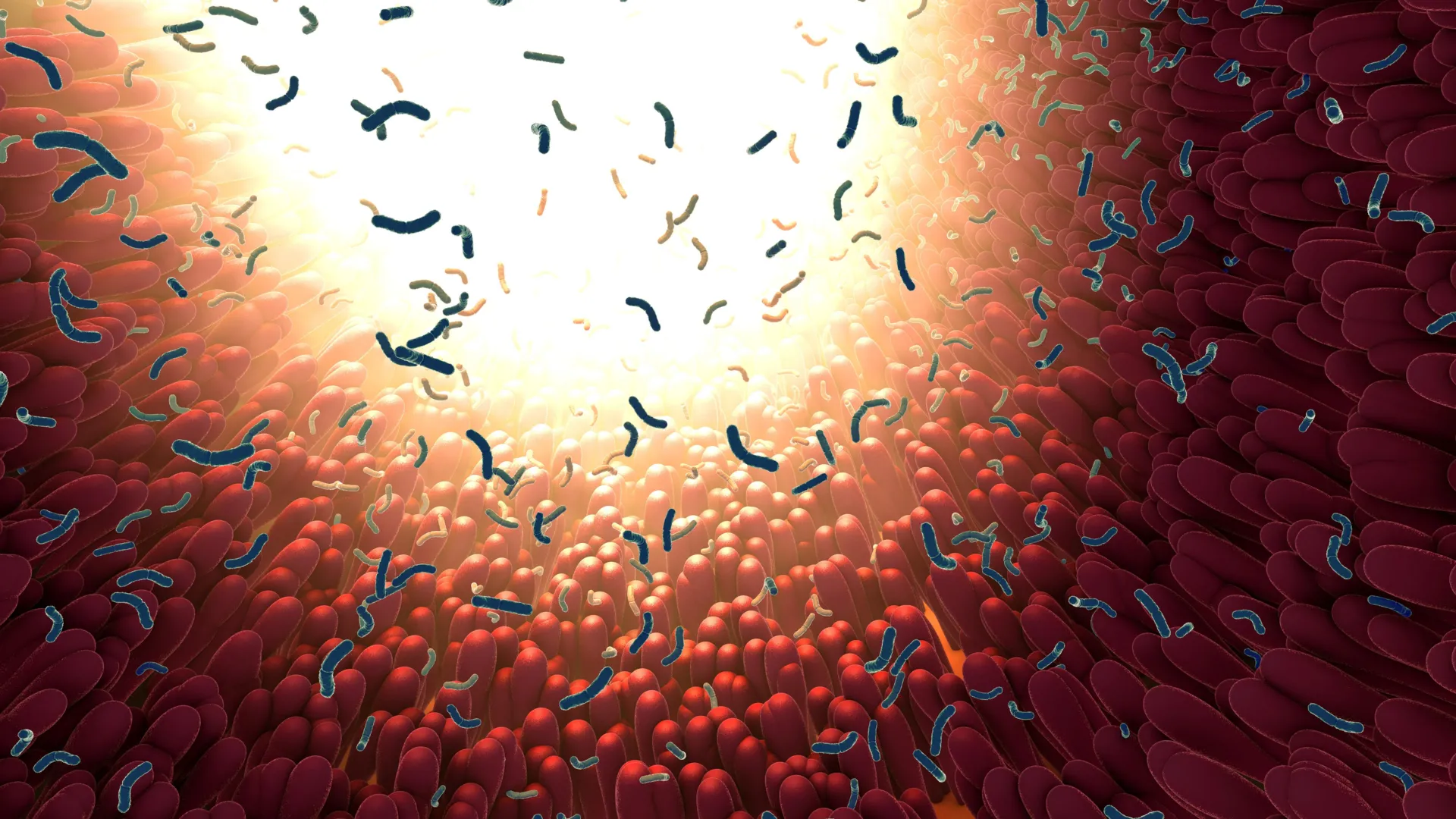
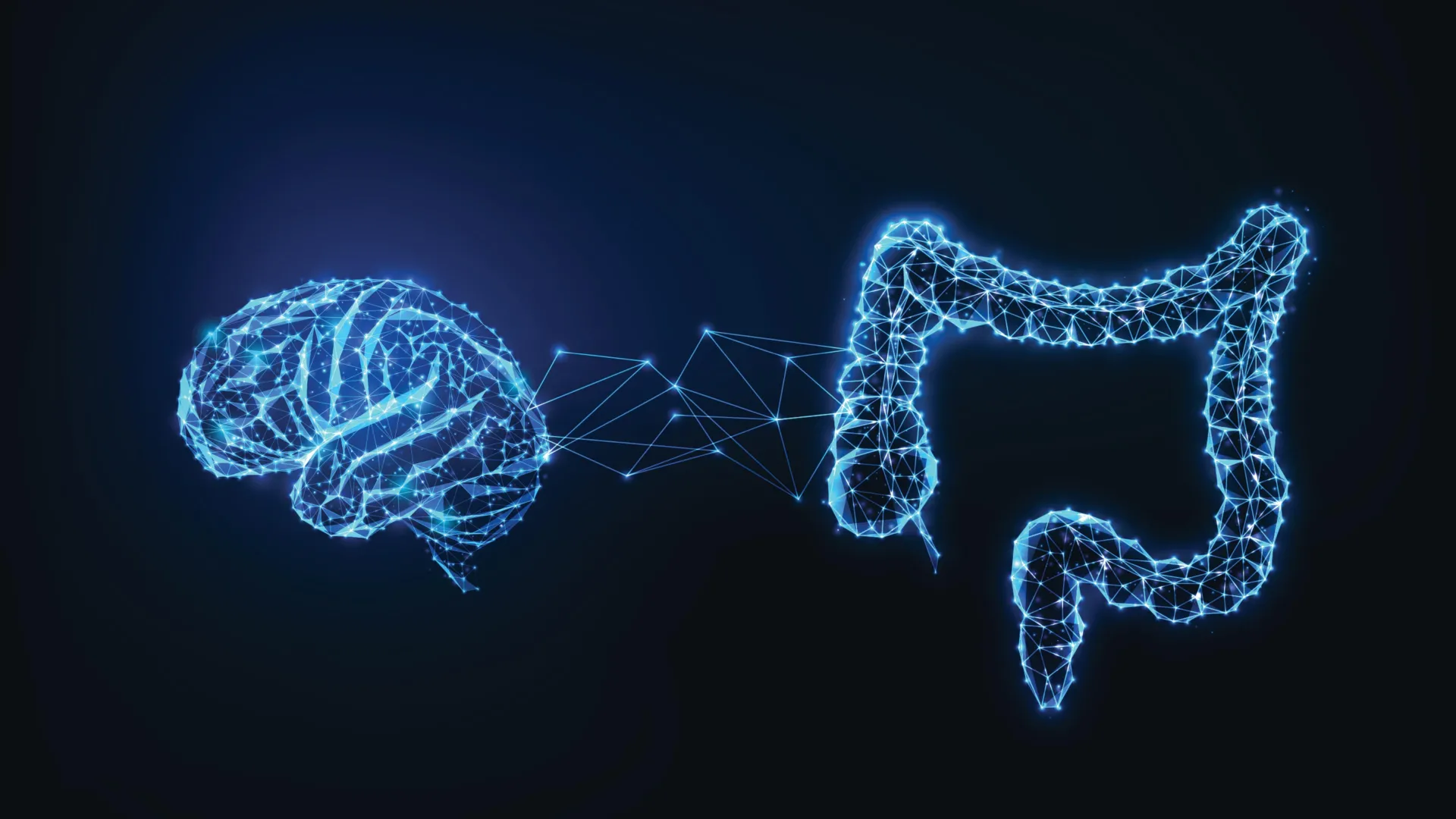
- IPA is an inexpensive compound that can be taken orally, produced when gut bacteria break down tryptophan from foods like meat, fish, and eggs, though Rey and Sonia Villapol at Houston Methodist noted doses may need tailoring to a person's existing microbiome composition.
Why it matters: Researchers have moved IPA from correlation to a mapped mechanism in astrocytes after TBI, strengthening the biological case for clinical development. The team itself plans post-injury dosing studies — the scenario that actually matters for concussion patients, not just athletes and soldiers. Until those studies land, the most plausible near-term beneficiaries are military personnel and contact-sport athletes at risk of repeated head impacts.
Ask SkimNews