Case Western Study Links Gut Bacteria to ALS & Dementia — SkimNews
Get the Health newsletter
Daily health & science — research, biotech, public health, the studies worth knowing. Free.
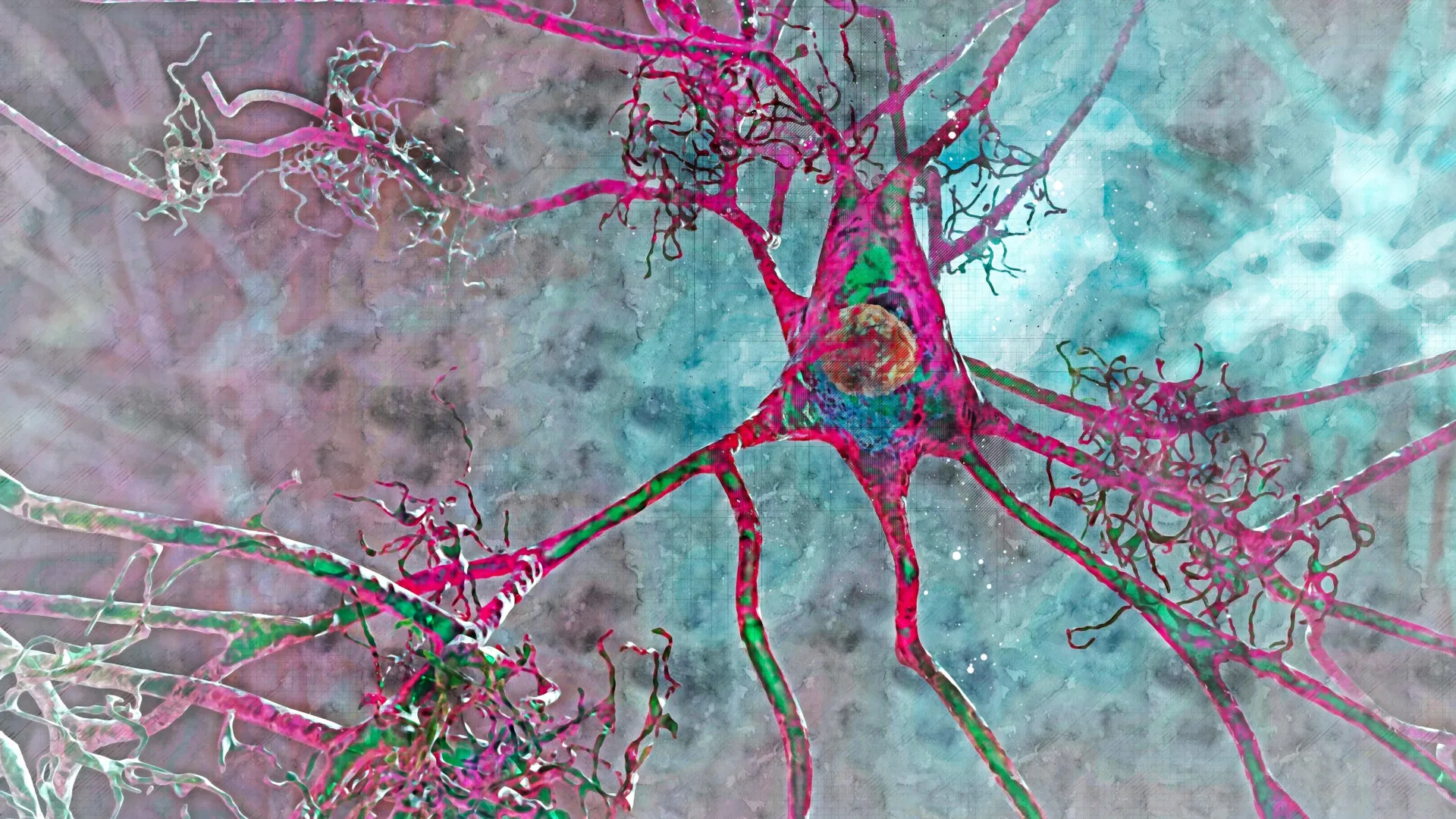
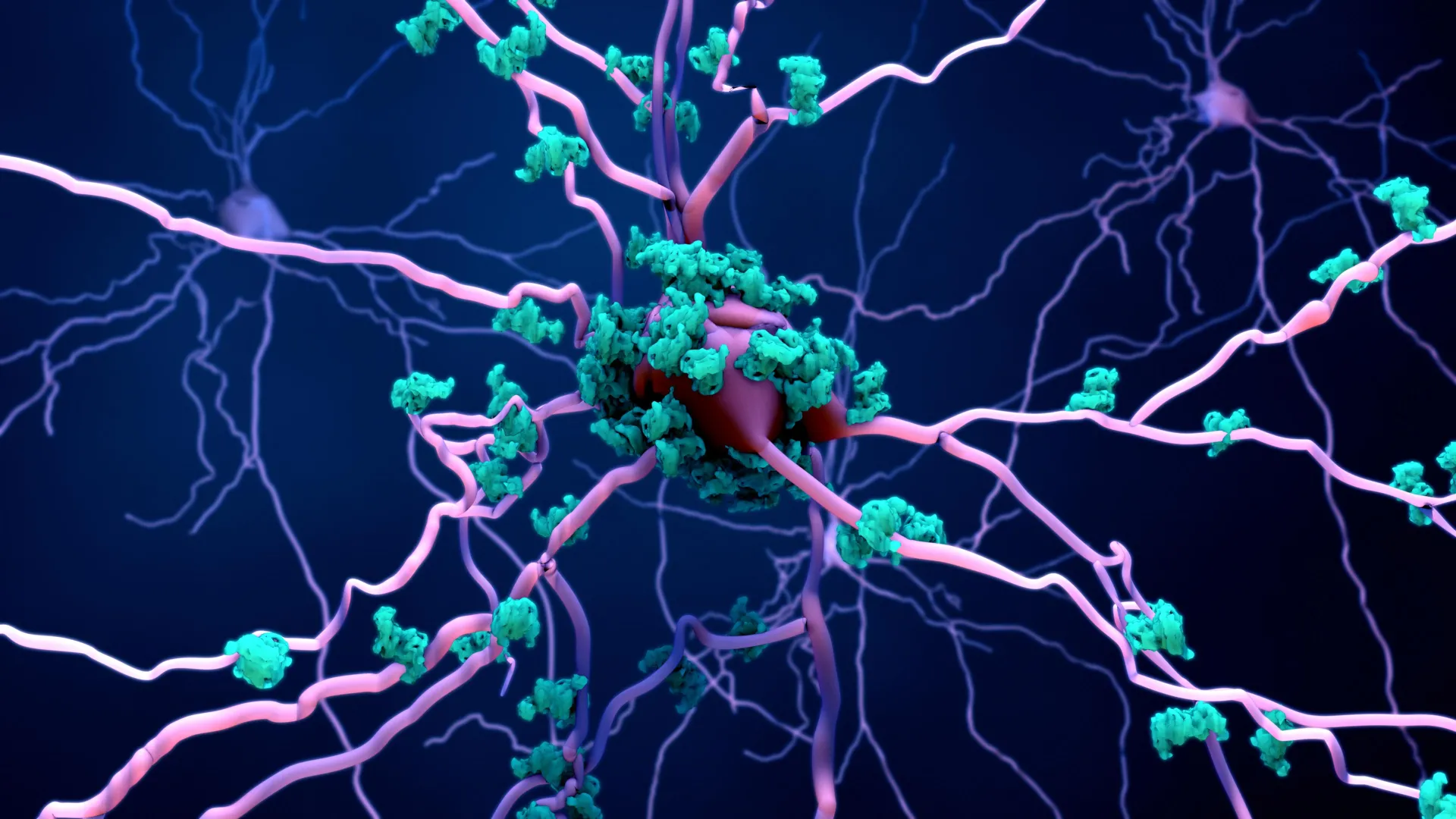
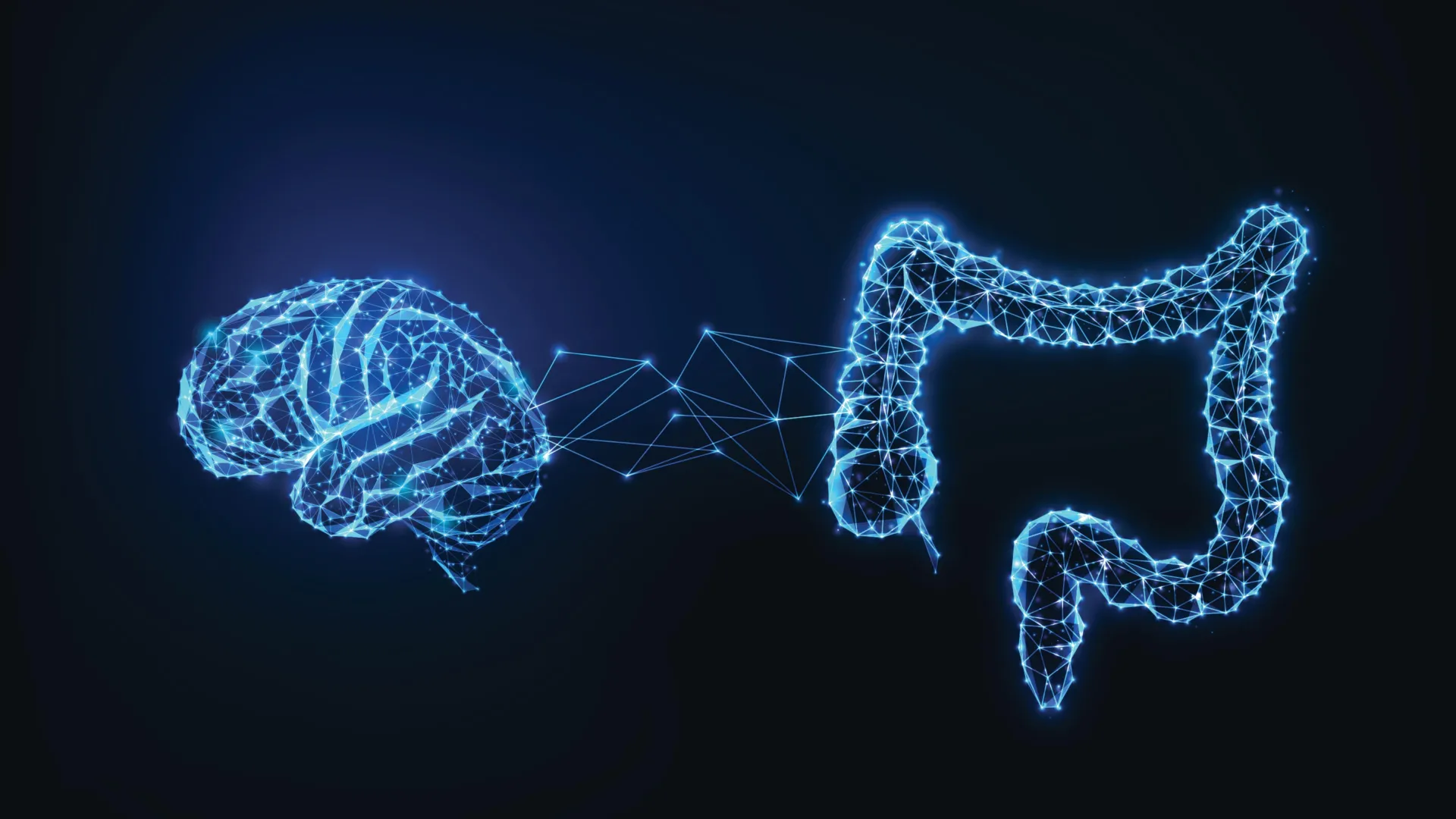
- Case Western Reserve University discovered that harmful gut bacteria produce inflammatory glycogen that triggers immune responses damaging the brain in ALS and frontotemporal dementia.
- Aaron Burberry reported that 70% of ALS/FTD patients had elevated levels of this harmful glycogen, versus about one‑third of individuals without the diseases.
- Alex Rodriguez‑Palacios said that reducing these harmful sugars in experiments improved brain health and extended lifespan in mouse models.
- Fabio Cominelli noted the team will conduct larger microbiome surveys and aim to start clinical trials targeting glycogen degradation within a year.
- Cell Reports published the study, which identified gut bacterial glycogen as a driver of ALS/FTD and highlighted potential therapeutic targets and biomarkers.
Why it matters: Patients with the C9orf72 mutation and clinicians treating ALS/FTD may gain a tangible therapeutic avenue, as targeting harmful gut glycogen could slow disease progression, while drug developers acquire a novel biomarker‑driven target, potentially reshaping treatment pipelines and reducing reliance on symptom‑only therapies.
Ask SkimNews