TDP43 Controls DNA Mismatch Repair, Ties ALS & Cancer — SkimNews
Get the Health newsletter
Daily health & science — research, biotech, public health, the studies worth knowing. Free.
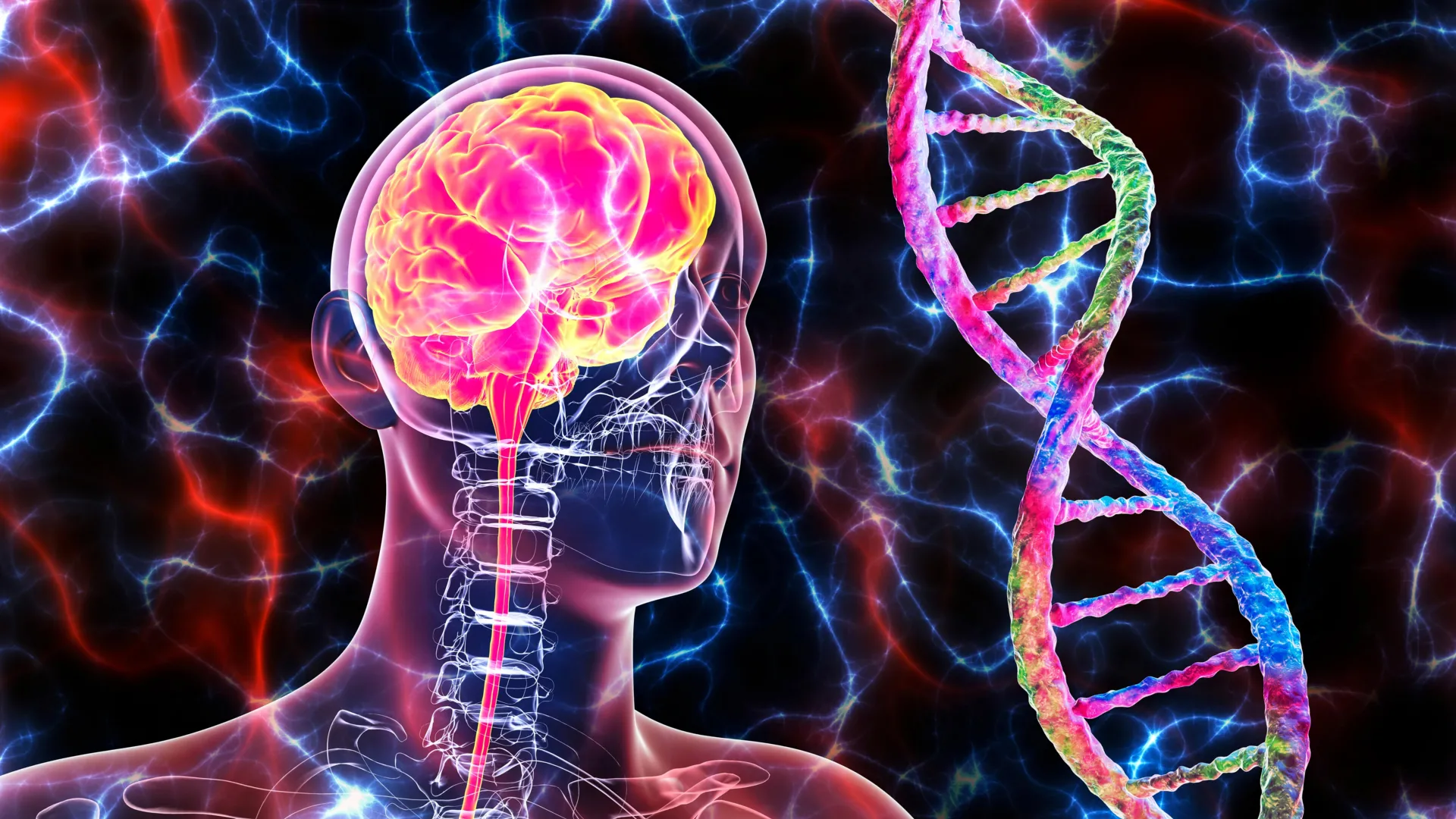
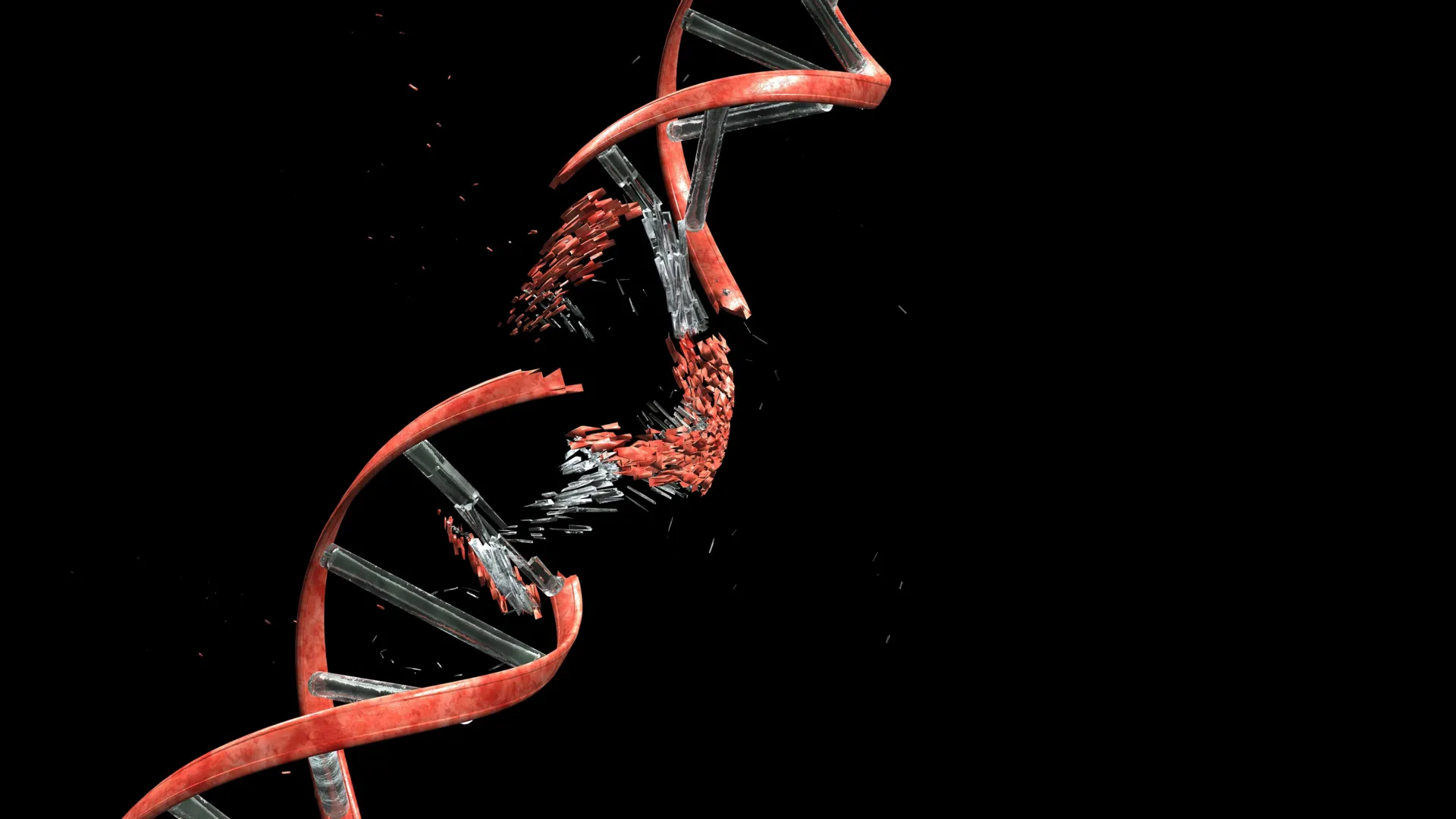
- TDP43 regulates genes responsible for DNA mismatch repair, a process that corrects copying errors in cells.
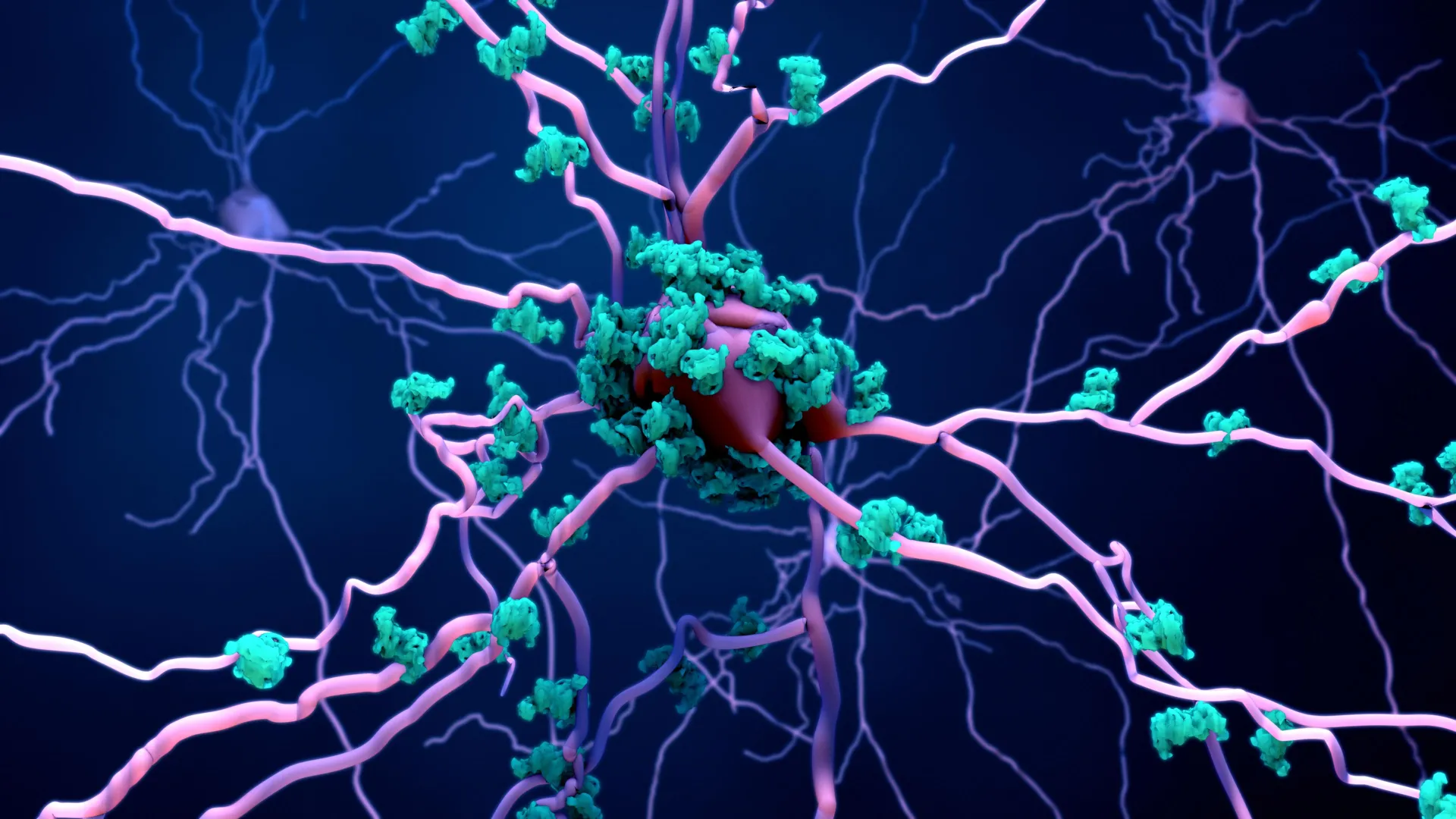
- Muralidhar L. Hegde says TDP43 imbalance (too low or too high) leads to overactive repair genes that damage neurons and destabilize the genome.
- Cancer databases analysis shows higher TDP43 levels correlate with increased mutation loads in tumors.
- Laboratory models demonstrate that reducing the excessive DNA repair activity driven by abnormal TDP43 can partially reverse cellular damage.
- Nucleic Acids Research published the study in 2025, detailing TDP43’s role in genome stability.
Why it matters: The findings give neuroscientists and oncologists a shared molecular target—TDP43‑driven mismatch repair—allowing them to explore drugs that normalize its activity. Patients with ALS, frontotemporal dementia, or tumors showing high TDP43 may benefit from therapies that stabilize genome integrity and protect neurons.
Ask SkimNews