Stress Hormone CRH Regulates Brain Myelin Repair — SkimNews
Get the Health newsletter
Daily health & science — research, biotech, public health, the studies worth knowing. Free.
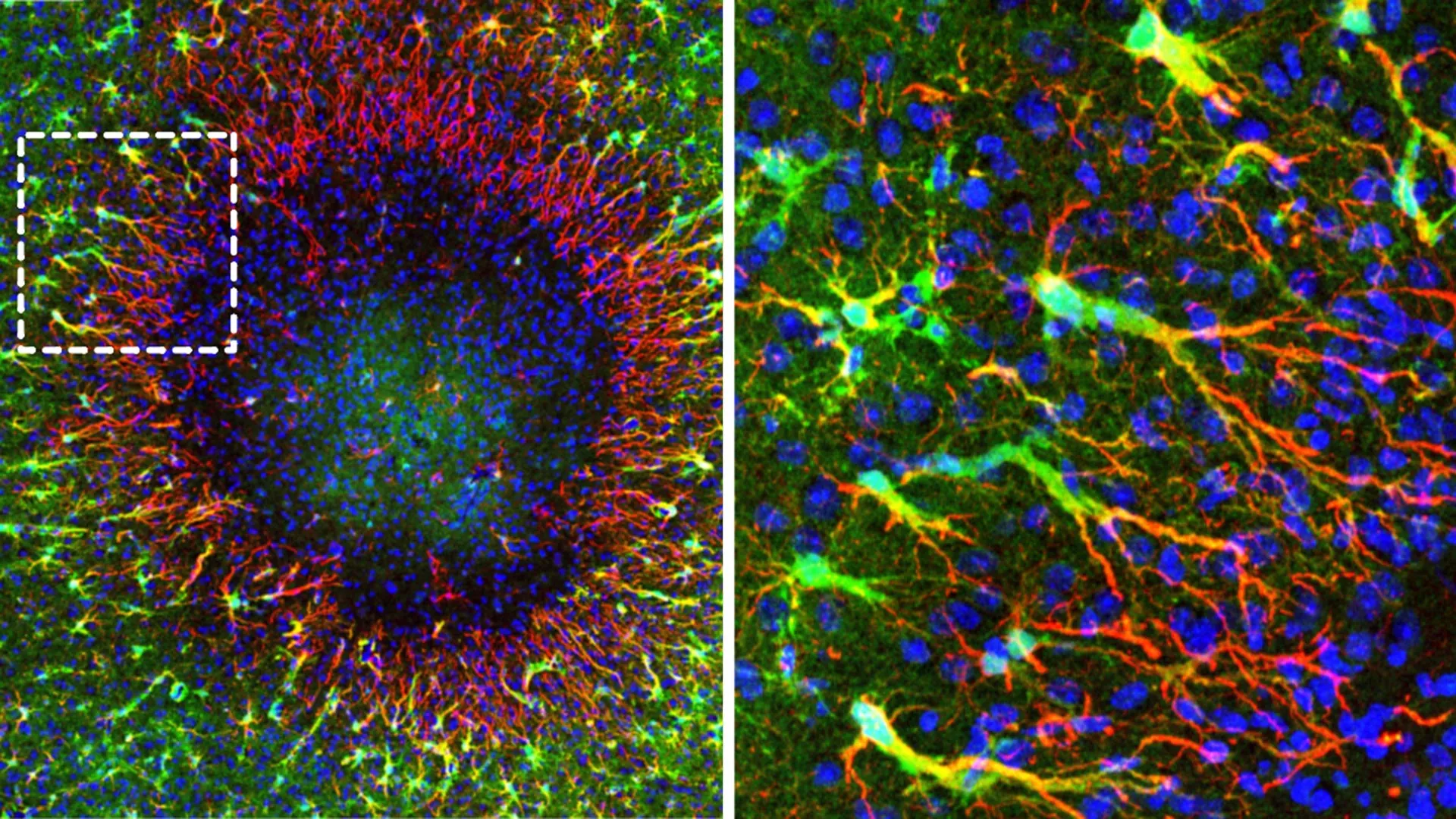
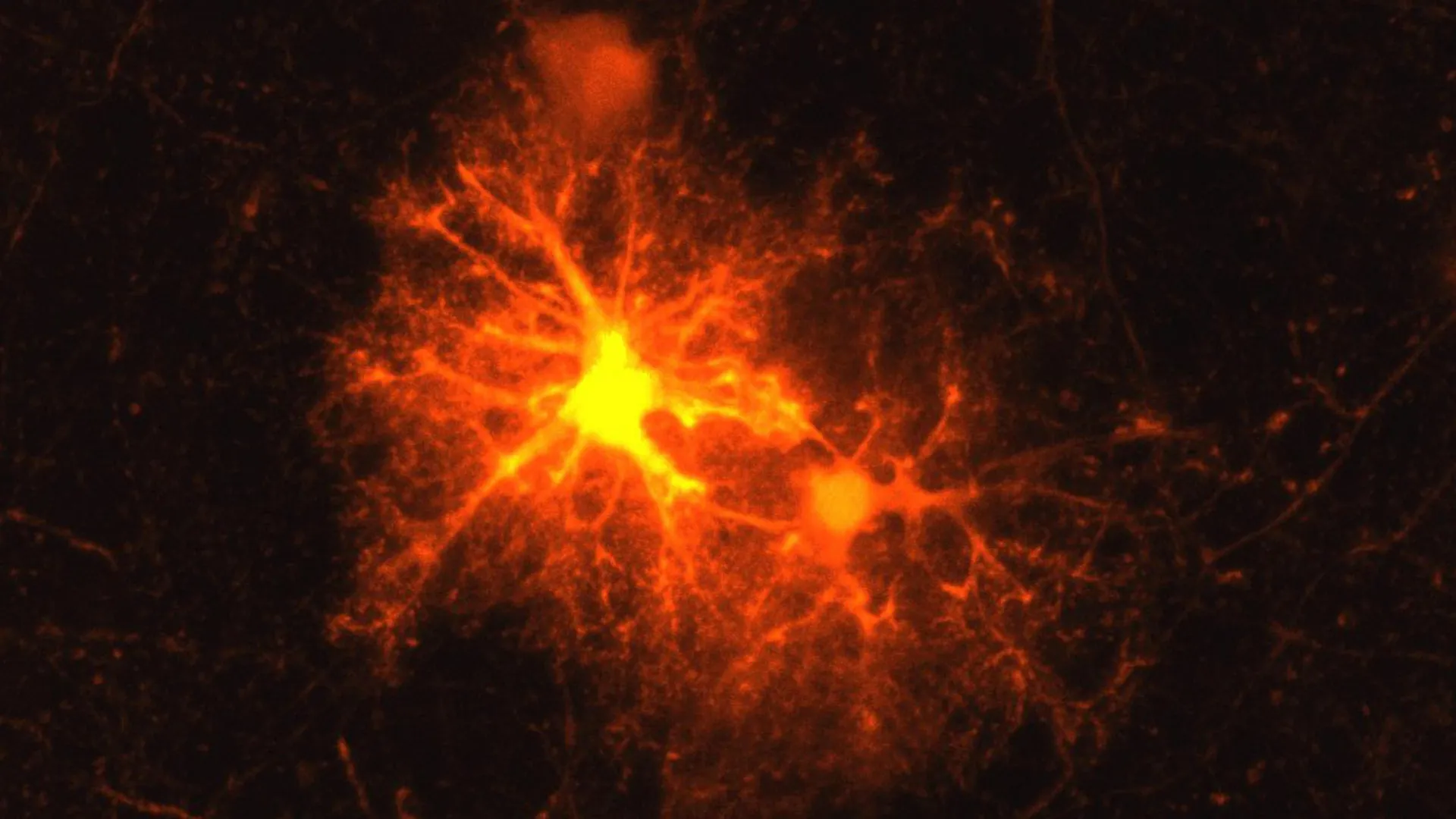
- Jan Deussing and Clemens Ries at the Max Planck Institute of Psychiatry identified oligodendrocyte precursor cells (OPCs) as the cells that appear around brain injuries in mice, and found about one third of those OPCs activate production of corticotropin-releasing hormone (CRH) within hours of damage.
- CRH production by OPCs begins within hours of injury but shuts down after roughly three days, suggesting the hormone governs the earliest stage of the healing response.
- CRH receptor 1 sits on a separate population of OPCs and controls maturation timing — mice lacking the receptor produced more OPCs after injury but ended up with fewer mature myelin-producing oligodendrocytes and poorer restoration.
- The same CRH system shapes healthy brain development: mice without CRH receptor 1 generated more OPCs early in life and retained thicker myelin sheaths around thin axons into adulthood.
- The researchers hypothesize that neurons, rather than OPCs themselves, supply the CRH that influences myelination during normal development, since neurons are already known to release CRH under stress.
- Deussing speculates the CRH-OPC system may help explain how early-life stress becomes a risk factor for psychiatric disorders such as depression, pointing toward new therapeutic approaches for both myelin-loss diseases like multiple sclerosis and stress-linked mental illness.
- The study, started as Ries's master's thesis and continued through his doctorate, was published in Cell Reports (DOI: 10.1016/j.celrep.2025.116474).
Why it matters: By identifying CRH signaling on OPCs as a regulator of when precursor cells mature into myelin-producing oligodendrocytes, the study gives multiple sclerosis researchers a previously unknown lever on remyelination timing. It also reframes CRH — long cast as a stress-damage signal in psychiatry — as a constructive organizer of brain development, giving psychiatric researchers a concrete cellular pathway to explore for linking early-life stress to later mental illness.
Ask SkimNews