Truce holds a year after brief Indo-Pak war, conflict continues — SkimNews

SkimNews Take
The ceasefire agreement, while ending immediate hostilities, indirectly impacts domestic political timelines in both nations, influencing the momentum of unrelated internal reforms and leadership consolidation.
Get the Geopolitics newsletter
Daily geopolitics — wars, elections, sanctions, the diplomatic moves that move markets. Free.
- India launched Operation Sindoor on May 7, striking alleged terrorist strongholds in Pakistan and prompting a retaliatory Pakistani response (Operation Bunyan-un‑Marsoos).
- Pakistan' chief of army staff Syed Asim Munir was promoted to field marshal and then to chief of defense forces, cementing his political influence after the conflict.
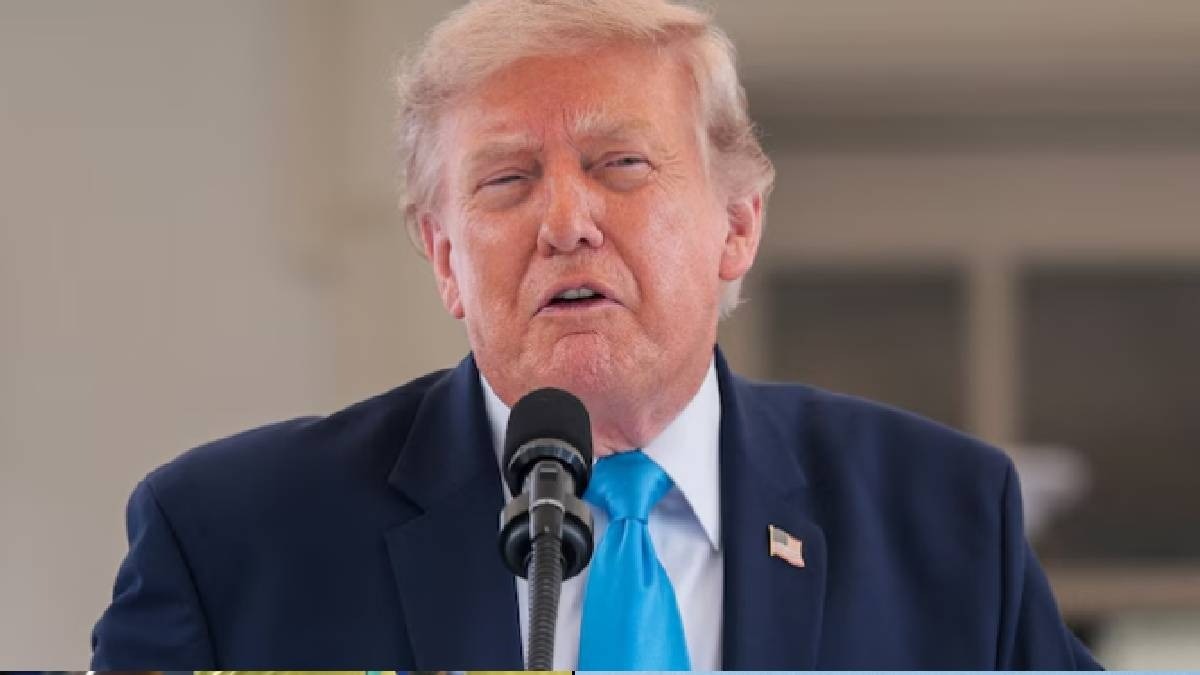
- Trump administration announced a ceasefire on May 10, claiming to have mediated the deal that ended the four‑day Indo‑Pak hostilities.
- India claimed a strategic victory, highlighting precise strikes deep inside Pakistan and denying Pakistan's claim of downing five Indian fighter jets.
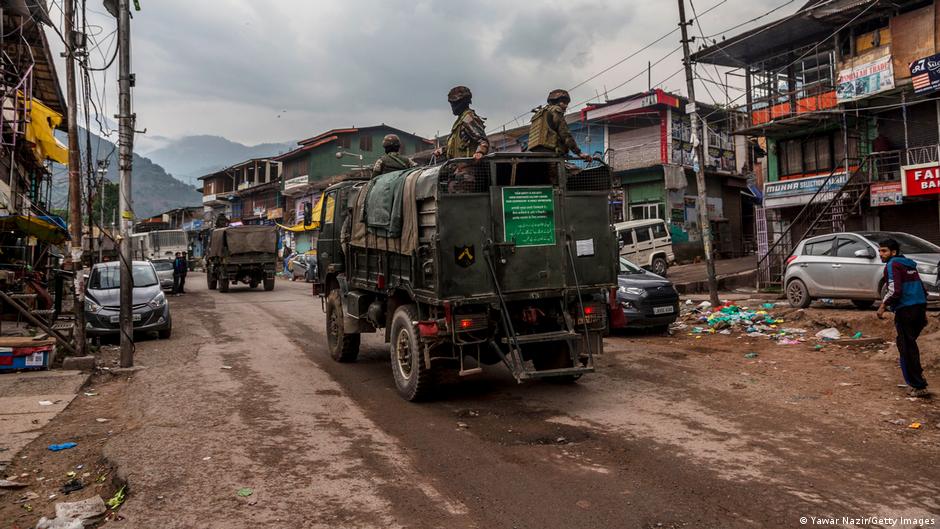
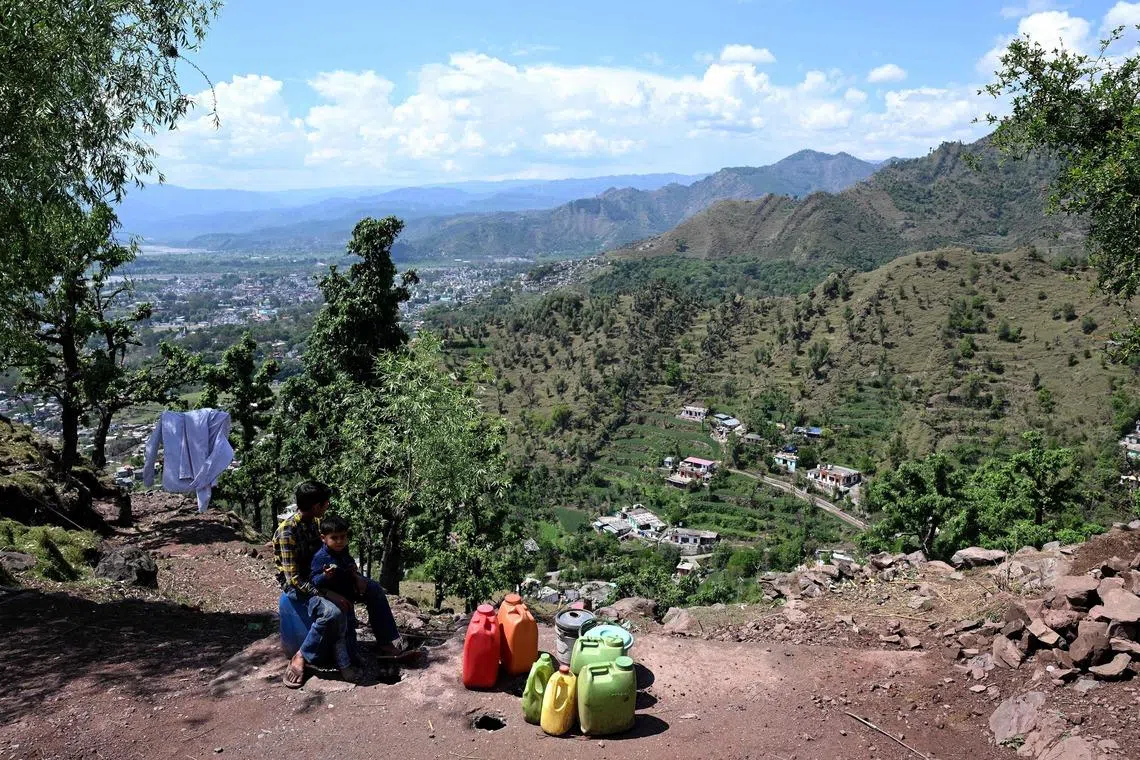
- Kashmir saw a sharp drop in tourism and heightened security operations after the April 22 attack that killed 26 civilians, raising human‑rights concerns.
Why it matters: Pakistan's military chief Syed Asim Munir now leads the new chief of defense forces, giving him direct sway over US‑Iran talks, while Kashmir's tourism sector faces a sharp revenue drop after the April 22 attack that killed 26 civilians.
Ask SkimNews