De Kooning Drawing Retrospective Opens at Art Institute — SkimNews
Get the Culture newsletter
Daily culture — film, music, books, the trends and ideas worth your attention. Free.
- The Art Institute of Chicago opened "Willem de Kooning Drawing," organized by Kevin Salatino, Margaret Holben Ellis, Charlotte Healy, and Mel Becker Solomon, which travels to the Rijksmuseum in Amsterdam in early October.
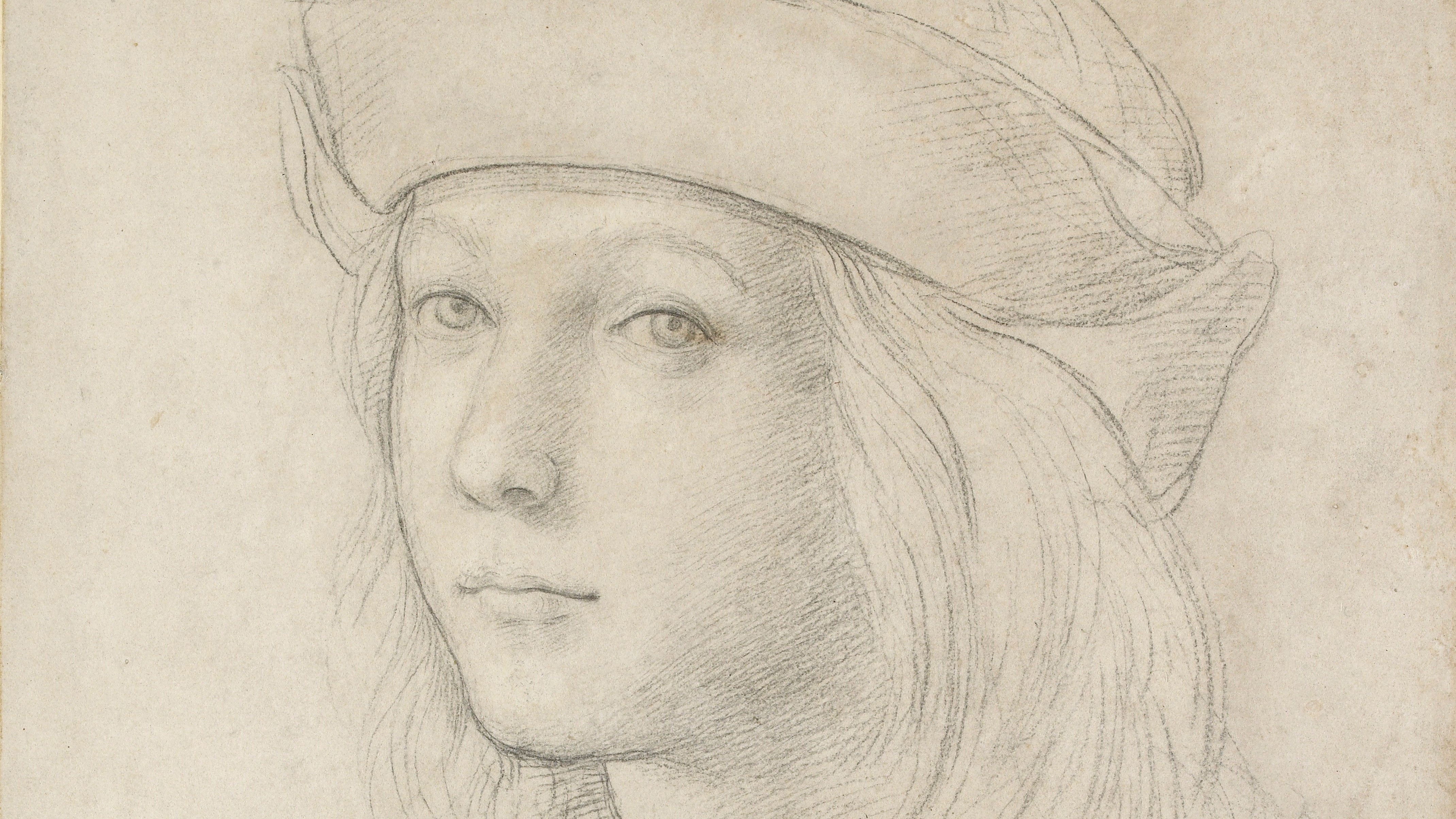
- De Kooning trained at Rotterdam's Academy of Visual Arts from age 13, spending 600 hours on the charcoal-and-conté still life "Dish With Jugs" that catalog essayist Salatino calls "the archetype of what he would forcibly reject."
- De Kooning arrived in America as a stowaway in 1926 and spent years as a house painter, sign painter, window dresser, and advertising-layout man before shifting to fine art under the influence of friend Arshile Gorky.
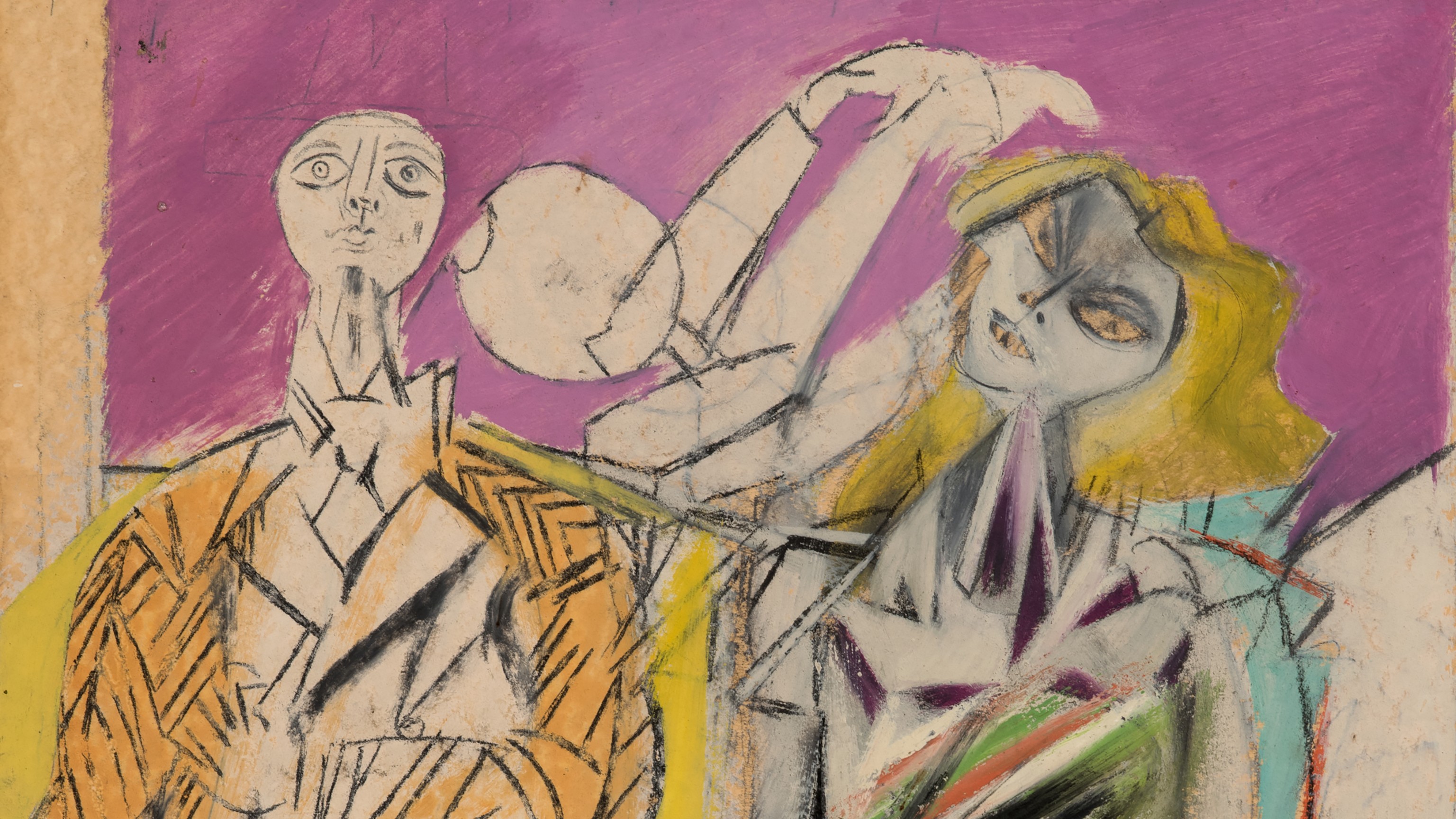
- "Excavation" (1950), a canvas nearly 7 feet high and more than 8 feet wide that earned an Art Institute prize the following year, marked his breakthrough and previewed his enduring preoccupation with wobbly, disintegrating female figures.
- Paper conservator Ellis documents how De Kooning repurposed commercial-art techniques—carbon-transfer paper, translucent vellum, and frottage over corrugated cardboard—turning technical-drawing shortcuts into tools for "transforming stillness into speed."
- Peter Schjeldahl, who knew the artist, called him "a hand with a man attached," a phrase the reviewer uses to frame the show as a record of bodily intuition rather than rational thought.
- Chicago-area artists have returned to the exhibition repeatedly, with one telling organizer Solomon: "This is what students are missing… the tenacity and rigor to keep pushing, experimenting, and searching."
Why it matters: The exhibition reframes Abstract Expressionism's most celebrated draftsman as a craftsman who weaponized technique, not abandoned it—giving working artists and art historians a rare look at the vocational training and studio debris behind de Kooning's reputation. By foregrounding his commercial-art roots and physical drawing process, the show challenges the myth that postwar American art emerged from pure spontaneity.
Ask SkimNews