Trump Says Iran War Deal Near, to Be Announced Shortly — SkimNews

SkimNews Take
Convergence of Arab states, Israel, and Washington around a single framework reveals Iran's diplomatic isolation as the enabling condition, suggesting accumulated economic pressure — not military threats — drove the negotiation.
Get the Geopolitics newsletter
Daily geopolitics — wars, elections, sanctions, the diplomatic moves that move markets. Free.
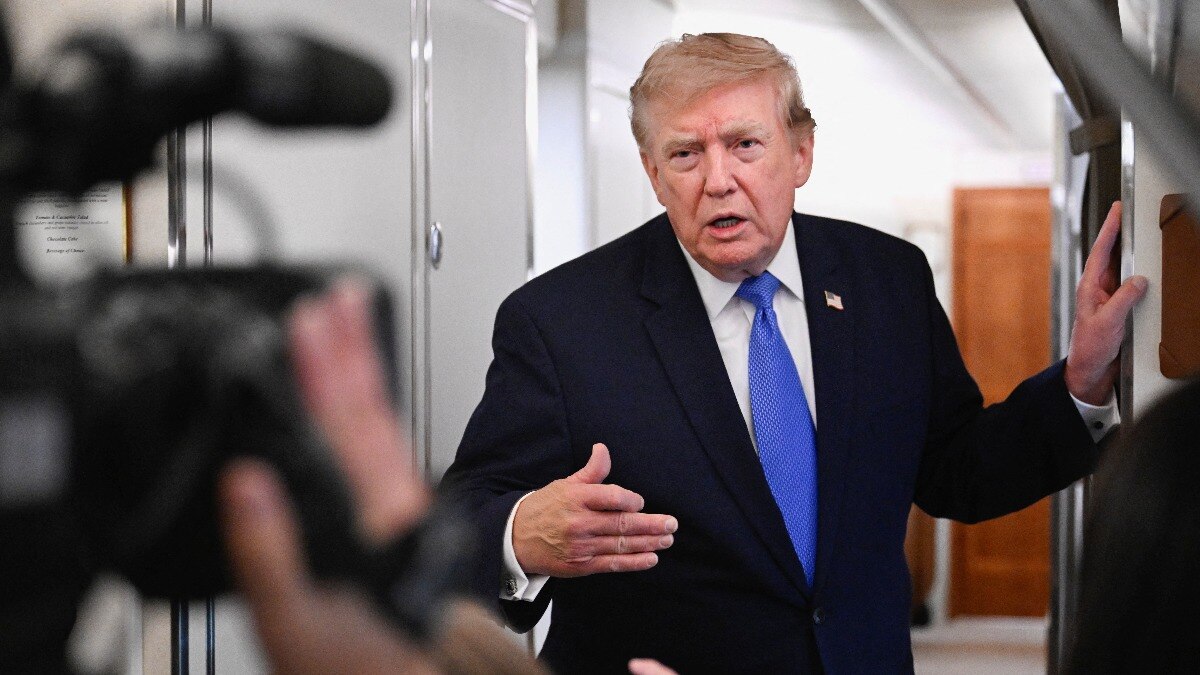
- Trump said a memorandum of understanding to end the war with Iran would be announced "shortly" and that final aspects are being negotiated after calls with Arab and Muslim leaders and Israeli Prime Minister Benjamin Netanyahu.
- U.S. official briefed on the negotiations reported the deal was nearly finished but still had gaps in the wording of several points.
- Netanyahu expressed skepticism, urging Trump to consider new strikes against Iran, while hawkish Republicans also voiced opposition.
- Pakistan (through Field Marshal Asim Munir) mediated talks, left Tehran after meeting top officials, and reported "encouraging progress toward a final understanding."
- Iran foreign ministry spokesperson said Iran and the U.S. were in the final stage of a memorandum of understanding that would gradually reopen the Strait of Hormuz, lift the U.S. blockade, release frozen Iranian funds, and be followed by 30‑60 days of detailed negotiations on issues including Iran's nuclear program.
- Vance was called back to Washington for a meeting to discuss the deal, alongside Secretary of Defense Pete Hegseth.
Why it matters: The agreement would halt hostilities, reopen the vital Strait of Hormuz, and free frozen Iranian assets, benefitting regional trade and U.S. strategic interests, while hawkish Republicans and Israel's Netanyahu risk losing leverage by ending the conflict. The deal also sets a 30‑60‑day window for detailed negotiations on Iran's nuclear program, potentially reshaping non‑proliferation talks.
Ask SkimNews