BAAJA bill cuts NEPA lawsuits, splits climate groups — SkimNews

Get the Energy newsletter
Daily energy & climate — solar, EVs, oil, the policy fights and tech bets shaping the transition. Free.
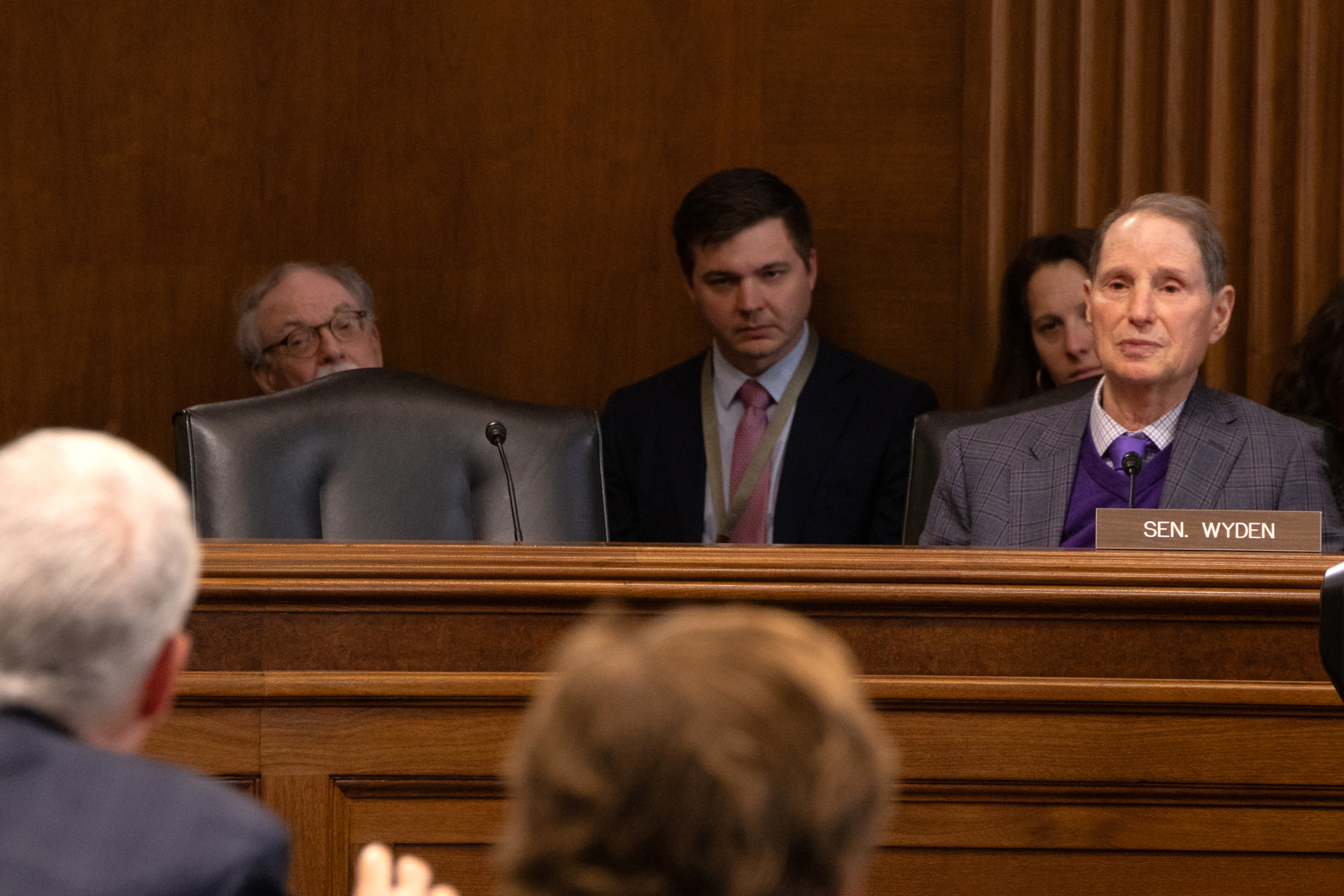
- BAAJA, a 400-page bipartisan Senate bill released last week by Democrats Sheldon Whitehouse (RI) and Martin Heinrich (NM) and Republicans Mike Lee (UT) and Shelley Moore Capito (WV), would weaken NEPA and other bedrock environmental laws to speed construction of power plants, transmission lines, and gas pipelines.
- The bill compresses the NEPA lawsuit window from six years to 150 days, bars courts from halting projects during agency review, and limits permit revocation to violations of law or immediate harm to "life, property, national security, or defense."
- NEPA litigation is routine in clean energy: a 2025 study found 64% of solar projects, 38% of wind projects, and 31% of transmission line projects face such suits, including challenges to the SunZia line and a California wind project delayed by pseudoscientific electromagnetic-field claims.
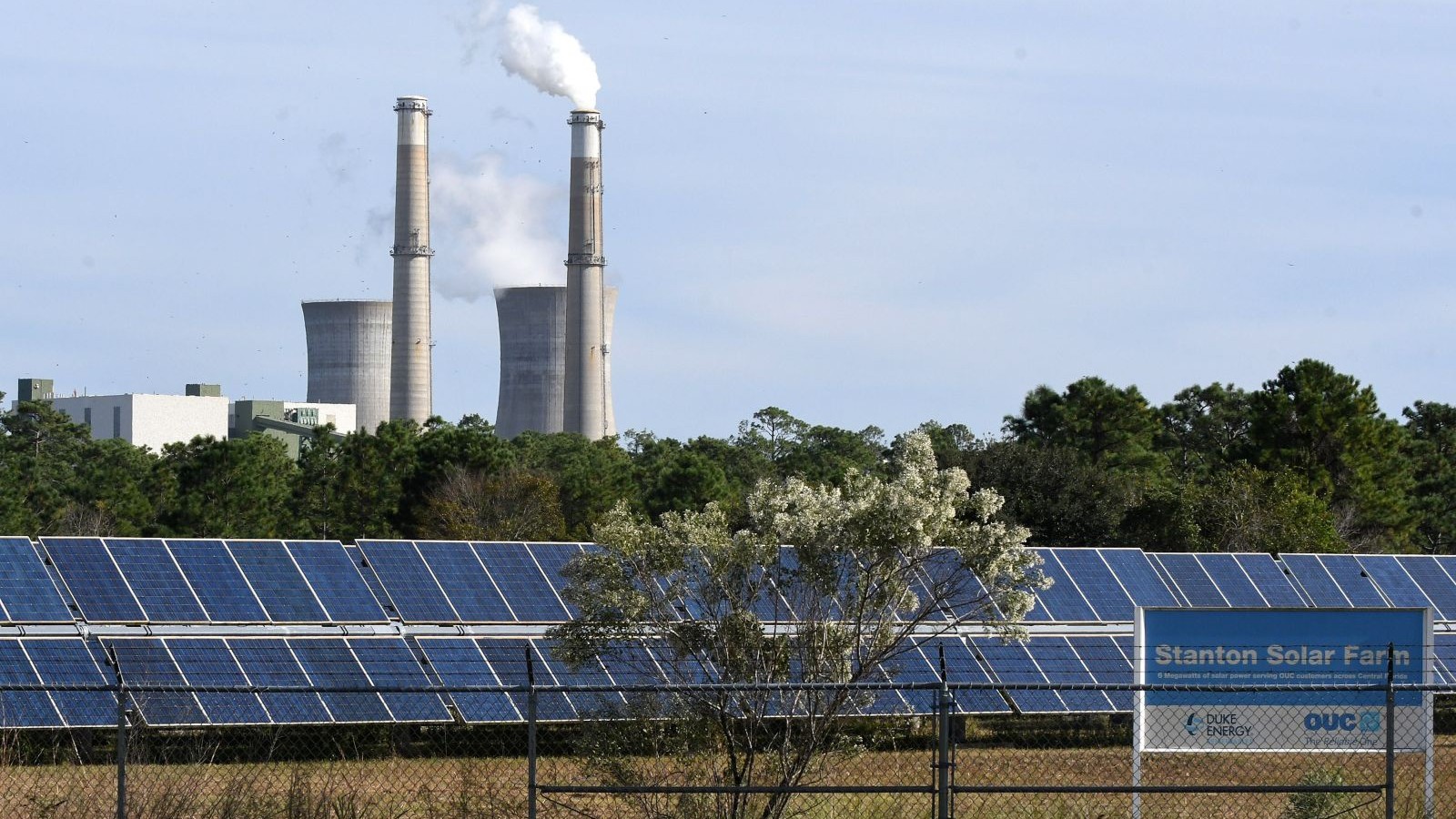
- The bill's transmission provisions would force utilities to plan for interregional power lines and allow private developers to build them if utilities don't — a change aimed at shipping solar from Nevada and wind from the Dakotas to regions with little renewable potential.
- The climate movement has split into "builders" (renewable energy firms, policy wonks) favoring rapid buildout and "blockers" (activists, lawyers, environmentalists) who call the deal a "Faustian bargain," while ACORE president Ray Long warned that without the bill the country faces "higher electricity prices."
- The Senate won't take up BAAJA until after the midterm elections; it hasn't passed committee and faces an uncertain House path, though backers say Trump-era clean energy halts have made an imperfect compromise more attractive than waiting.
Why it matters: The bill compresses NEPA litigation from six years to 150 days, tilting the playing field toward energy developers and away from tribal and environmental challengers. Builders currently hold more sway inside the climate movement, and the bill's transmission provisions aim to unlock solar in Nevada and wind in the Dakotas.
Ask SkimNews