The bipartisan energy bill tearing the climate movement apart — SkimNews
Get the Energy newsletter
Daily energy & climate — solar, EVs, oil, the policy fights and tech bets shaping the transition. Free.
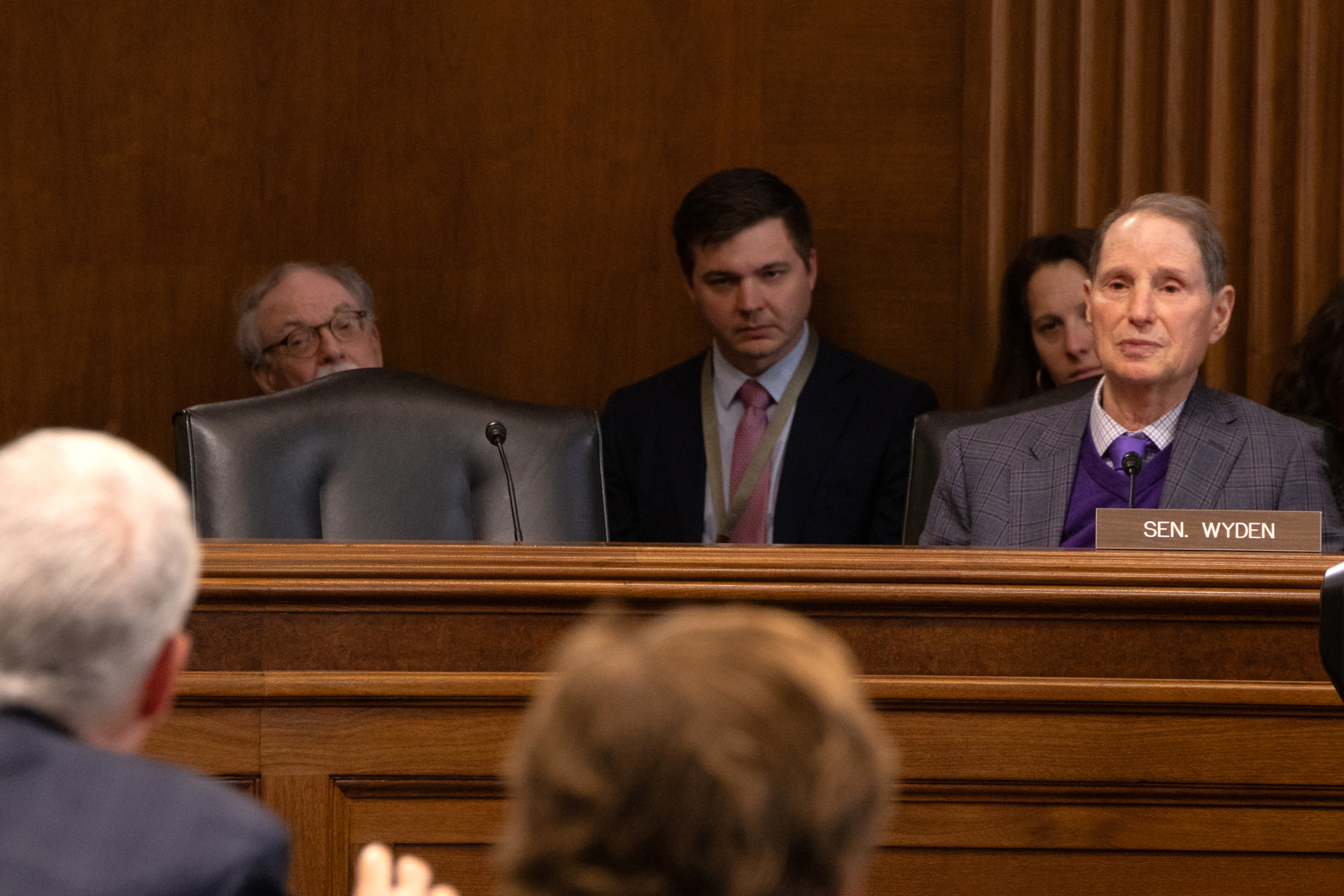
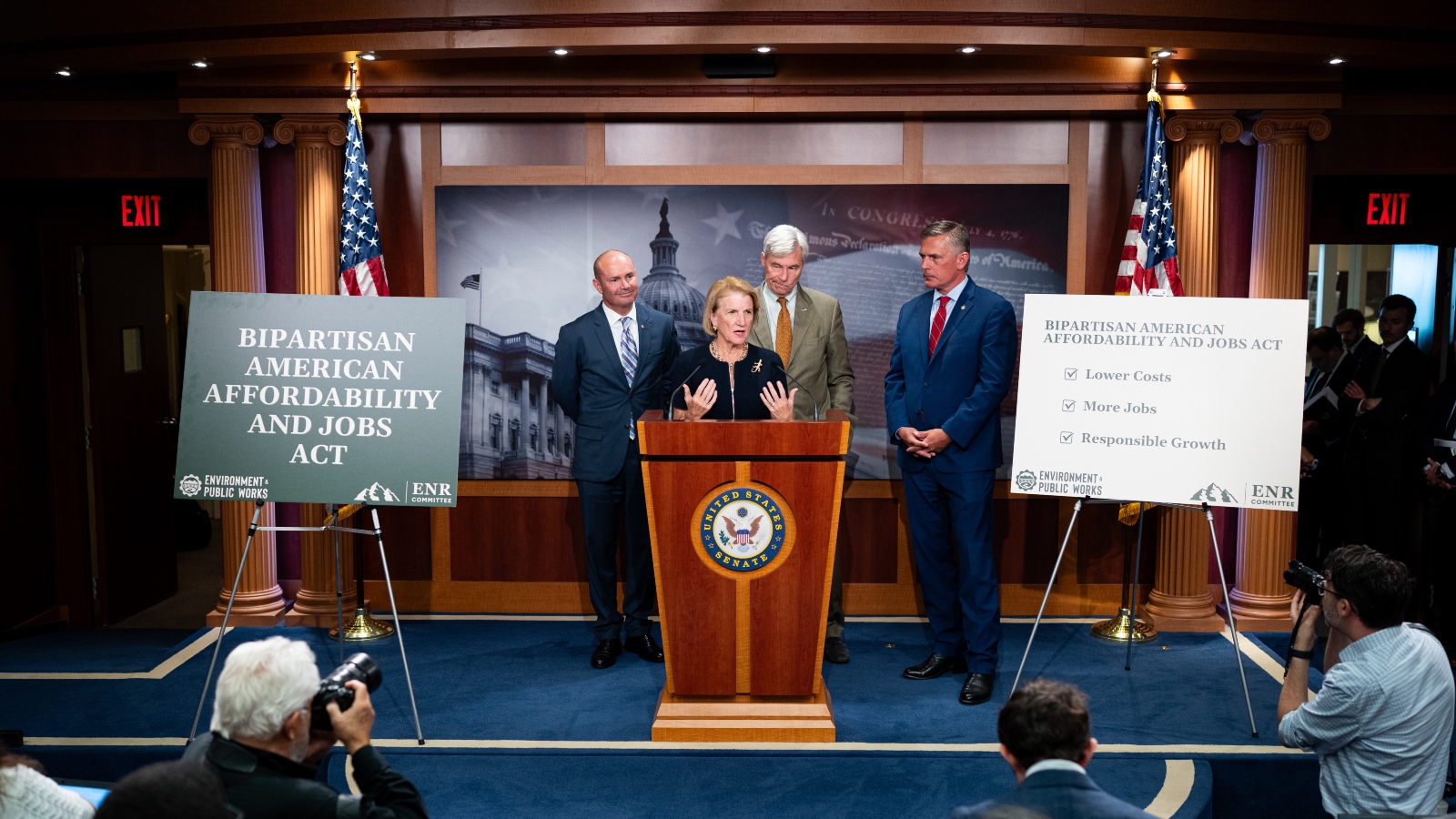
- BAAJA was released by Senate 'four corners' — Democrats Sheldon Whitehouse (RI) and Martin Heinrich (NM) plus Republicans Mike Lee (UT) and Shelley Moore Capito (WV) — as a 400-page bill that weakens bedrock environmental laws, speeds up permitting, and makes it harder to cancel approved projects.
- The bill would compress the NEPA lawsuit window from six years to 150 days, require plaintiffs to raise issues during public comment, and bar courts from halting projects while agencies redo reviews — a reform industry groups call 'permitting certainty.'
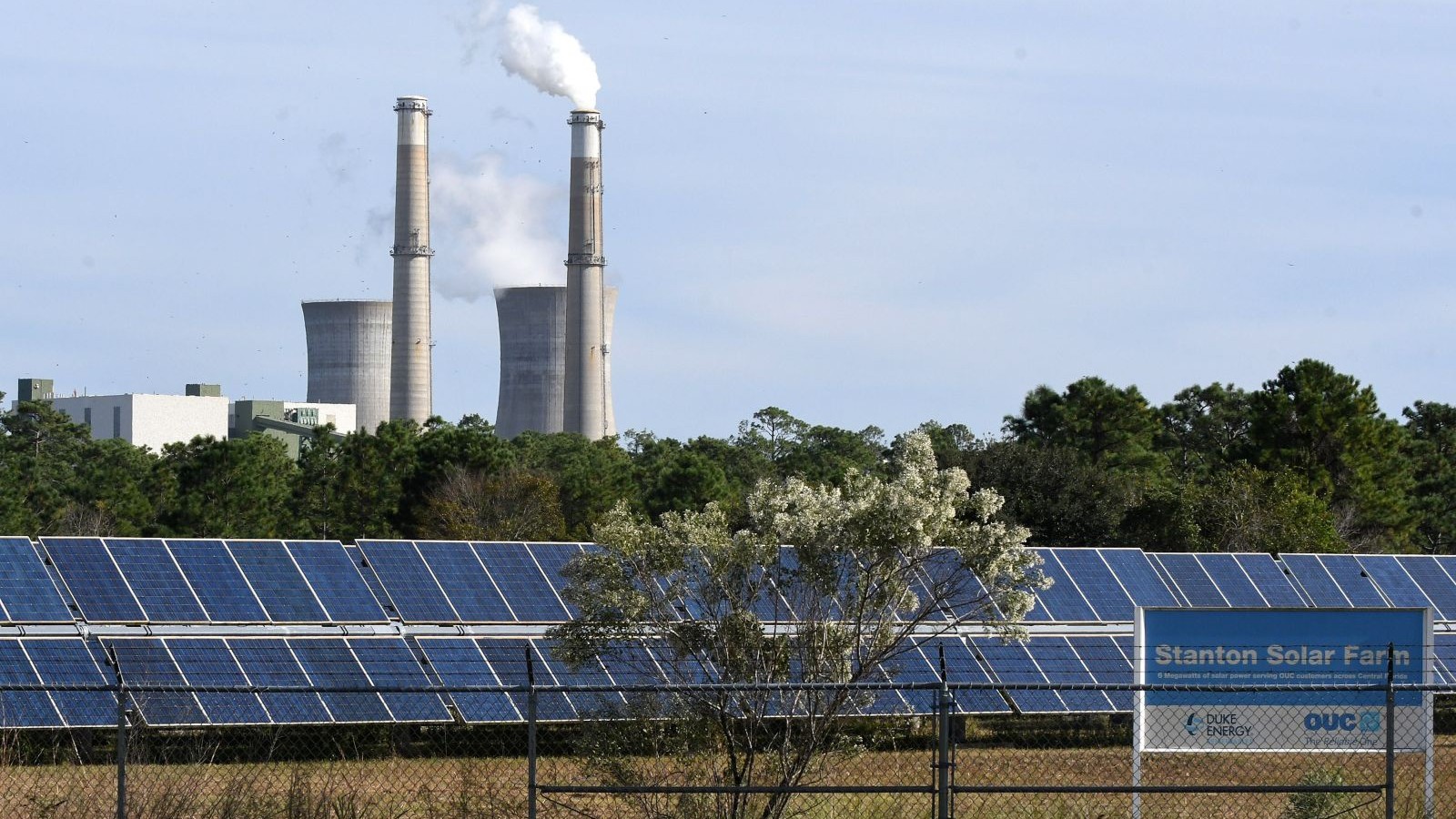
- A 2025 study cited in the article found 64% of solar projects, 38% of wind projects, and 31% of transmission line projects face NEPA lawsuits, underscoring the scale of the litigation problem the bill's authors say they are solving.
- BAAJA's transmission provisions would force utilities and regional grid operators to plan for interregional power lines and let private developers step in when utilities don't build enough, addressing what the article calls the bill's arguably most important piece.
- Renewable energy companies and policy wonks (the 'builders') back the bill, arguing rapid clean energy buildout outweighs environmental trade-offs, while environmental groups and tribal advocates (the 'blockers') warn it endangers marginalized communities and endangered species.
- The Senate won't return to take up BAAJA until after the midterm elections, and the bill has not yet cleared committee — leaving weeks of lobbying in both chambers before any floor vote.
- The split comes as President Trump has spent two years repealing federal climate policy and using executive authority to halt wind and solar on federal lands, pushing some climate advocates to accept an imperfect deal rather than wait out his term.
Why it matters: If BAAJA passes, clean energy developers gain a 150-day NEPA lawsuit window and forced interregional transmission planning that could unlock solar in Nevada and wind in the Dakotas — but tribal nations and environmental groups lose the legal hooks that have stalled 64% of solar, 38% of wind, and 31% of transmission projects. With the bill stalled until after midterms, the next several weeks of lobbying will determine whether the climate movement's biggest internal fracture produces a law or a warning shot.
Ask SkimNews