Trump signs order restricting college athlete transfers — SkimNews
Get the Sports newsletter
Daily sports — scores, transfers, the storylines from the leagues you actually follow. Free.
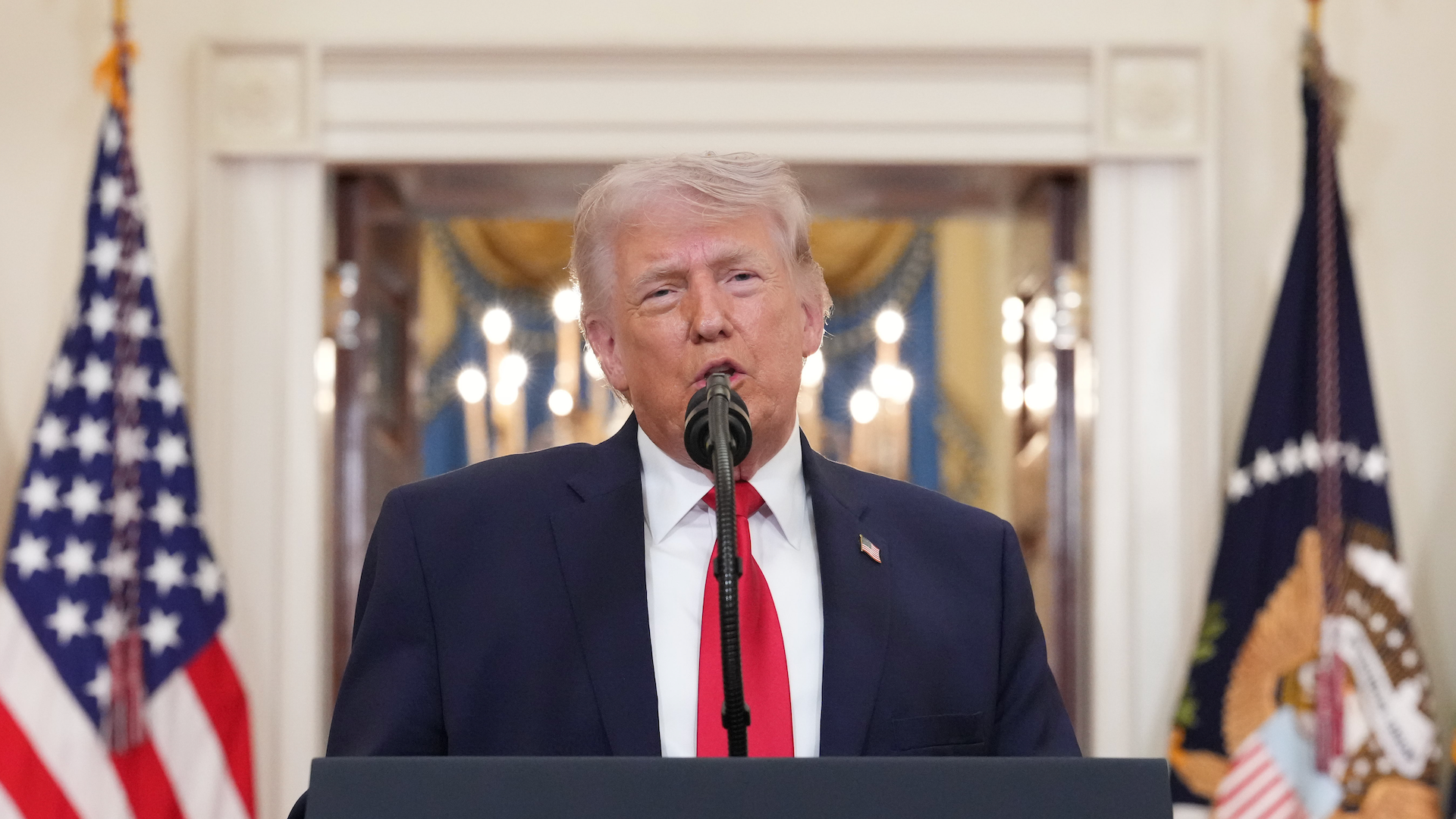
- Trump signed an executive order described as "urgent national action to save college sports," targeting NIL collectives, transfer limits, eligibility caps, and funding requirements for the Olympics and women's sports.
- The order proposes a one-time transfer rule (with a grad-transfer exception), a second transfer triggering an automatic redshirt, and a 5-for-5 eligibility model — the one-time transfer rule was previously deemed illegal in court.
- The order leverages federal funding by requiring review of government grants and contracts for schools that fail to comply with NCAA rules, potentially cutting those funds.
- NCAA president Charlie Baker called the order "a significant step forward" but emphasized that a "permanent, bipartisan federal legislative solution" is still required to stabilize college athletics.
- Many attendees at Trump's March 6 "Saving College Sports" symposium backed the SCORE Act, introduced in July 2025 to regulate athlete payments; Sen. Ted Cruz said 60 Senate votes including 7 Democrats are needed, but the bill has been largely opposed by the Democratic Party.
- The transfer portal saw roughly 25% of FBS players enter during the 2026 cycle; the SEC and Big Ten retained 97.4% of eligible returning players, compared to 56.8% in the ACC and Big 12, while only 29.5% of Group of Six all-conference players remain with their 2025 teams.
- Courts have already struck down multiple Trump executive orders involving college sports as unenforceable, and lawsuits against this order are expected.
Why it matters: The order gives the administration a powerful enforcement lever through federal funding reviews, but the transfer rule it revives was already ruled illegal in court and past Trump executive orders on college sports have been struck down as unenforceable. The talent-retention data shows the gap is already stark — 29.5% of Group of Six all-conference players stay put versus 74.6% at Power Four programs — meaning compliance costs and legal uncertainty now layer onto an already uneven playing field.
Ask SkimNews