Cannabis Leaves Yield First-Ever Flavoalkaloids — SkimNews
Get the Health newsletter
Daily health & science — research, biotech, public health, the studies worth knowing. Free.
- Stellenbosch University researchers analyzed three commercially grown South African cannabis strains and identified 79 phenolic compounds, 25 of which had never before been reported in the species
- The study provided the first-ever evidence of flavoalkaloids—compounds rarely found in nature—in cannabis, with 16 compounds tentatively classified as flavoalkaloids
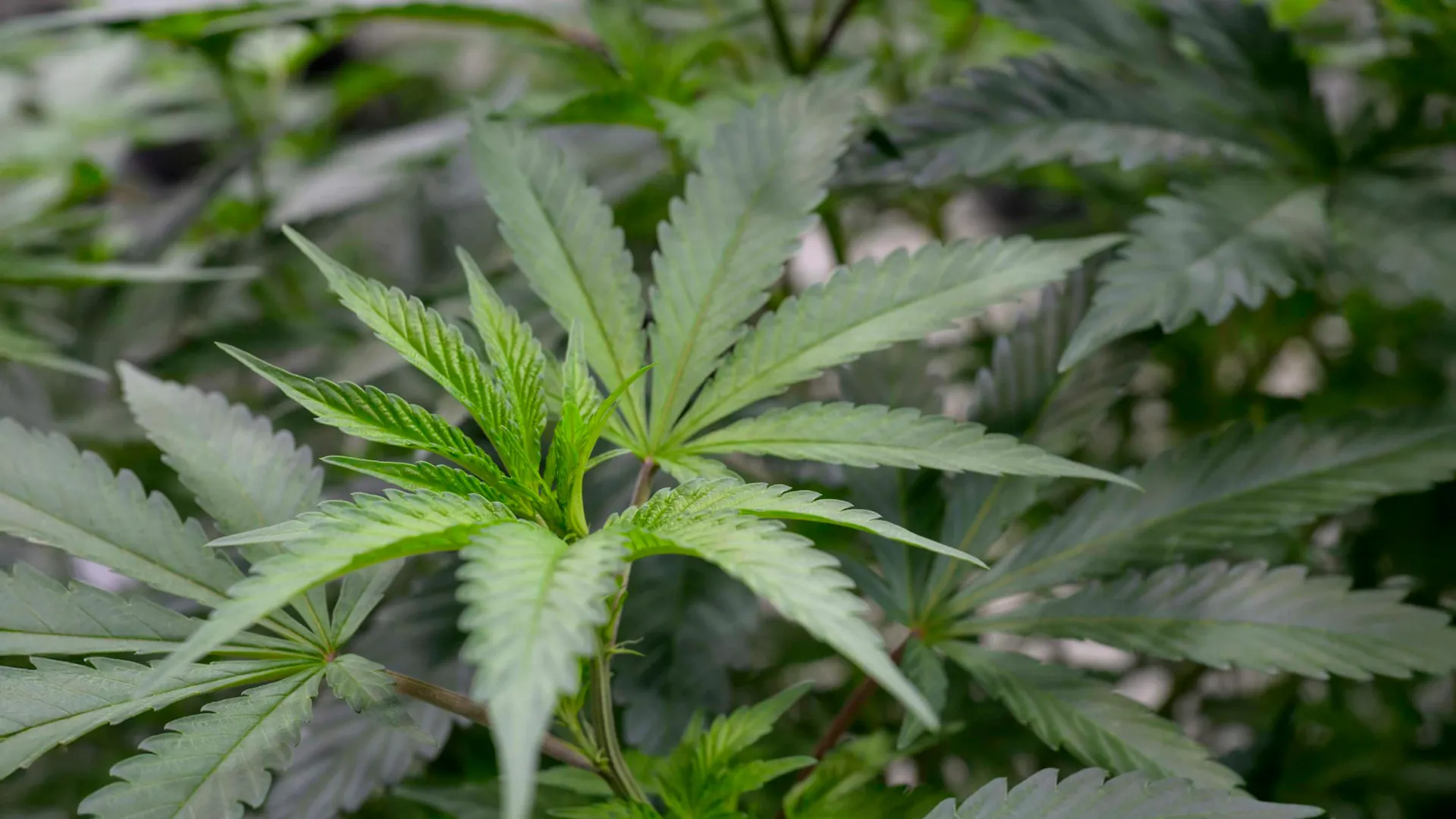
- Flavoalkaloids were concentrated mainly in the leaves of just one of the three strains, underscoring dramatic chemical variation between cannabis varieties
- Dr. Magriet Muller, first author and analytical chemist at SU's Central Analytical Facility, developed comprehensive two-dimensional liquid chromatography methods she had previously tested on rooibos tea, grapes, and wine
- Prof. André de Villiers, who led the study, said the two-dimensional chromatography allowed researchers to separate the rare flavoalkaloids from more abundant flavonoids, which is why they could be detected for the first time
- Cannabis contains more than 750 known metabolites, and the findings suggest its non-cannabinoid phenolic profile—particularly in leaves currently treated as waste—holds untapped biomedical potential
- The findings were published in the Journal of Chromatography A, with researchers arguing that overlooked plant material may warrant attention for antioxidant, anti-inflammatory, and anti-carcinogenic applications
Why it matters: The discovery adds 25 previously unknown compounds to cannabis's known chemistry—on top of the 750+ metabolites already documented—and shows that the rare flavoalkaloids are concentrated in leaves typically discarded as waste, potentially opening a new biomedical research frontier in the plant's non-cannabinoid profile.
Ask SkimNews