KorAid founder chronicles running an NGO in North Korea

Get the Geopolitics newsletter
Daily geopolitics — wars, elections, sanctions, the diplomatic moves that move markets. Free.
- KorAid, founded in Hong Kong in 2015 by Kathi Zellweger, runs a cataract surgery program that has restored sight to tens of thousands of North Koreans and targets at least 3,000 operations a year using lenses and medicine shipped from abroad
- KorAid funds training programs at the Korean Rehabilitation Center for Children with Disabilities (KRCCD) and bankrolled a greenhouse at Mirim Orphanage in Pyongyang — home to roughly 500 children — to grow cucumbers, tomatoes, eggplant, and other vegetables beyond a rice-and-maize diet
- KorAid expanded to the Hamhung Physical Rehabilitation Center in northeast North Korea, where roughly 1,000 orthopedic devices are produced annually for amputees, including a 22-year-old double amputee who told Zellweger his new legs felt "like wings"
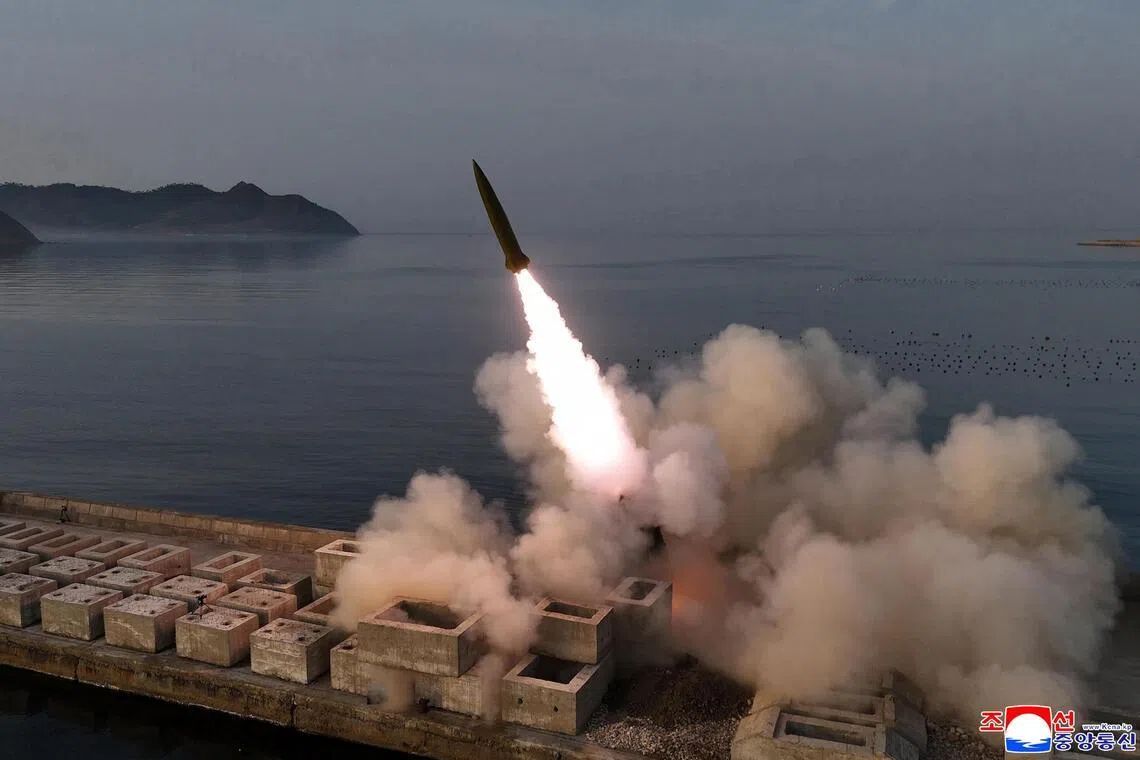
- North Korea's continued nuclear and missile tests and the resulting international sanctions made fundraising and shipping materials to KorAid projects significantly harder, as donors grew reluctant and the list of denied items grew
- Kim Jong Un visited Mirim Orphanage in July 2016, telling staff the school was "like a paradise" — a moment Zellweger hoped would legitimize KorAid's work with North Korean authorities and ease bureaucratic friction
- The extract's most telling anecdote: after a cataract patient at South Pyongyan Provincial Hospital tried to invite Zellweger to his home, officials froze and a doctor invented an infection-risk pretext to keep the patient hospitalized, blocking what would be an unremarkable gesture in most countries
Why it matters: KorAid illustrates how a single small NGO can sustain tens of thousands of cataract operations and roughly 1,000 orthopedic devices a year inside one of the world's most isolated systems — a fragile people-to-people channel that directly tracks the broader trajectory of North Korea's nuclear program, since escalating sanctions were already shrinking the donor pool and lengthening supply chains even before tensions worsened.