Iraq's Neutrality Collapses Under US-Israel-Iran War — SkimNews
SkimNews Take
Iraq's unraveling neutrality suggests its internal stability is increasingly tied to the regional power balance between the U.S. and Iran, rather than solely domestic factors.
Get the Geopolitics newsletter
Daily geopolitics — wars, elections, sanctions, the diplomatic moves that move markets. Free.
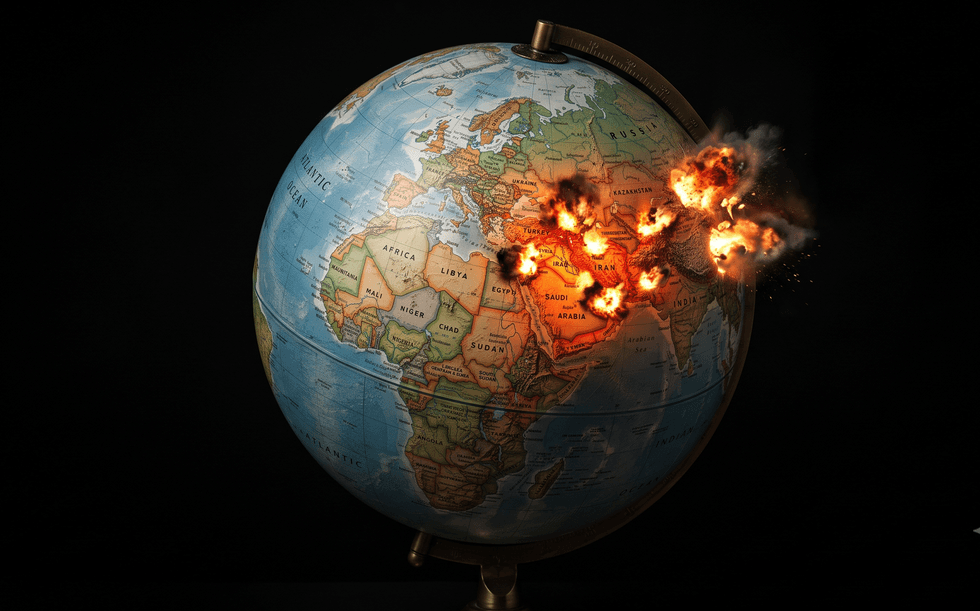
- Iraq declared neutrality in the U.S.-Israeli war with Iran but has been unable to stay out, with Iraqi territory targeted by both sides since the conflict opened on February 28, 2026
- Islamic Resistance in Iraq, an umbrella of Iran-aligned armed groups, claimed over 750 strikes on U.S. targets in Iraq and the wider region during the war
- Iran and its aligned groups launched nearly 500 missile and drone strikes on the Kurdistan Region from the war's onset until the April 8 ceasefire, making it the worst-affected area
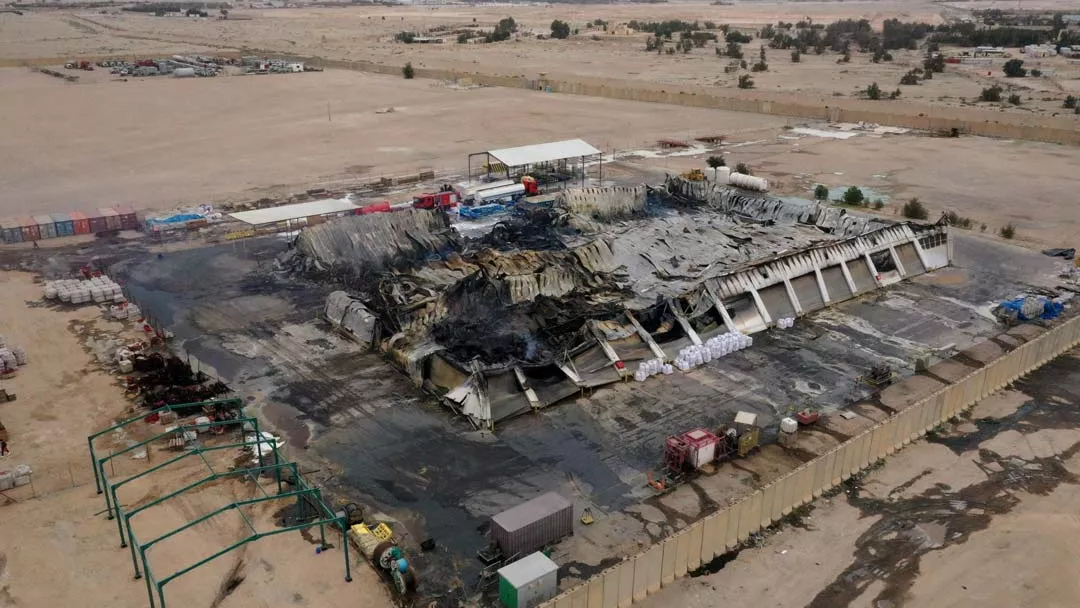
- Erbil, which hosts roughly 2,500 U.S. troops, came under Iranian attack, while U.S. bombardment killed about 80 Hashd fighters in the war's first month
- The Strait of Hormuz reopening remains a work in progress, leaving Iraq largely unable to ship its oil to market and raising the risk of domestic economic upheaval
- A French soldier was killed on March 13, and Saudi Arabia withdrew embassy staff after a strike on Baghdad's Rashid Hotel, as most foreign oil companies suspended operations and pulled personnel out of the country
- The April 8 ceasefire could allow Baghdad to complete government formation after November elections, though the article notes Iraq's relations with Washington are unlikely to emerge unscathed
Why it matters: Iraq's neutrality failure carries concrete, measurable costs: nearly 500 strikes on Kurdistan, roughly 80 Hashd fighters killed by U.S. forces, a diplomat convoy ambushed in Baghdad, and oil exports blocked while the Strait of Hormuz stays disrupted. With the U.S. and Iran now openly fighting on and from Iraqi soil, Baghdad's two-decade balancing act is broken — the April 8 ceasefire offers a window to form a new government, but the country emerges economically weaker and diplomatically exposed to both patrons.
Ask SkimNews