Early Tadpole Immunity Lets Some Frogs Survive Deadly Fungus — SkimNews
Get the Health newsletter
Daily health & science — research, biotech, public health, the studies worth knowing. Free.
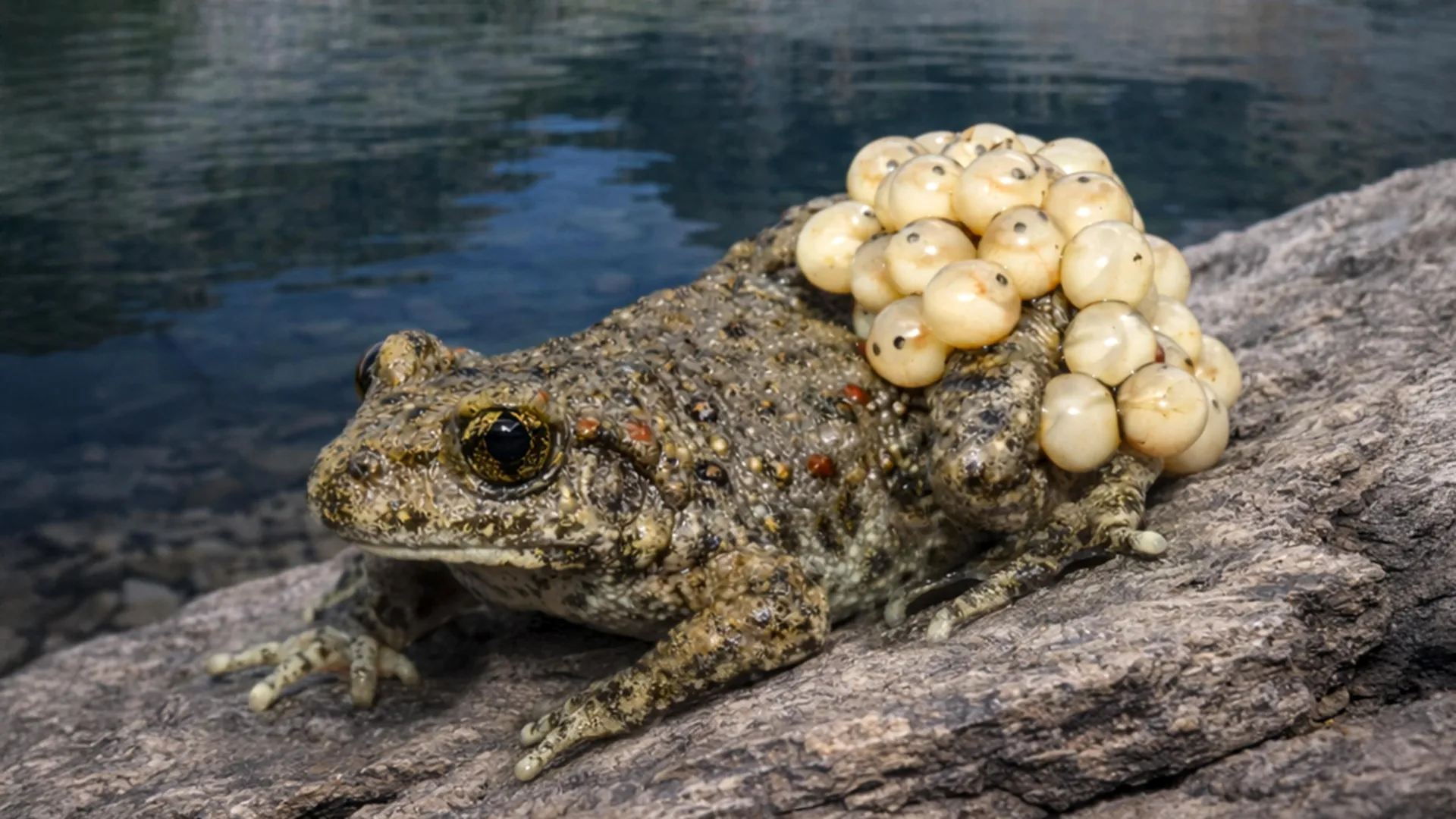
- University College London led a study with ZSL and Imperial College London, published in Nature Chemical Biology, showing that midwife toad populations which survived chytrid fungus outbreaks had developed antimicrobial peptide defenses while still tadpoles — before metamorphosis made them vulnerable.
- Researchers studied four lakes in the Pyrenees of France and Spain that had all experienced severe outbreaks of Batrachochytrium dendrobatidis (Bd); toads at three lakes rebounded while one lake's population continued collapsing, with survivors showing far higher peptide output during the tadpole stage.
- Mass spectrometry analysis at UCL Chemistry identified 1,152 antimicrobial peptides in the toads' skin secretions, of which only 7 had been previously documented — and populations producing a wider peptide variety during the tadpole stage were far more likely to persist.
- The chytrid fungus targets adult amphibians because tadpoles lack the keratin-rich skin that Bd feeds on; once amphibians metamorphose and their skin keratinizes, they become vulnerable to chytridiomycosis, a disease that disrupts water and salt regulation.
- Lead author Dr. Phillip Jervis (UCL Chemistry, ZSL Institute of Zoology, Imperial College London) suggested environmental pressures — including trout predation forcing faster metamorphosis — may prevent early immune maturation, leaving populations exposed at the moment they become vulnerable.
- Senior author Professor Alethea Tabor (UCL Chemistry) said the newly discovered peptides are 'new leads' for human medicine, citing penicillin from fungi as precedent and tying the finding to the growing crisis of antimicrobial resistance.
- The research was funded by the UK's Natural Environment Research Council (NERC) and the Leverhulme Trust, using tandem mass spectrometry to reconstruct peptide structures — an approach more commonly applied in cancer diagnostics.
Why it matters: This gives the first mechanistic explanation for why some amphibian populations rebound from chytrid outbreaks while others collapse, and identifies 1,145 previously unknown antimicrobial peptides. Professor Tabor cited penicillin as precedent for natural-compound drug discovery, tying this ecological finding directly to the antimicrobial resistance crisis.
Ask SkimNews