Oman Proposes Gulf-Backed Voluntary Fee Plan for Strait of Hormuz

Get the Geopolitics newsletter
Daily geopolitics — wars, elections, sanctions, the diplomatic moves that move markets. Free.
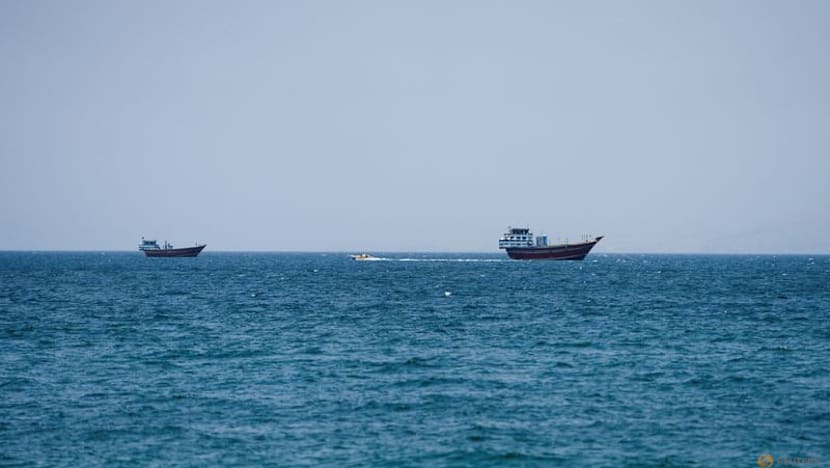
- Oman presented Iran with a Gulf-state-backed plan for voluntary shipping fees through the Strait of Hormuz, modeled on the Malacca Strait system where Indonesia, Malaysia, and Singapore collect voluntary contributions to fund navigation, environmental protection, and search-and-rescue operations.
- Iran rejected Trump's proposal to pay vessel damages from frozen Iranian assets, warning through its joint military command that any country or company accepting such payments would be denied passage through the strait by Iran's armed forces.
- Iran effectively shut the strait to non-Iranian ships after the Feb. 28 US-Israeli attack, partially reopened it after a June US-Iran agreement, then collapsed that deal in early July by firing on ships using a channel it did not approve.
- Iran's Deputy Foreign Minister Kazem Gharibabadi proposed that Iran manage one-way shipping through its side of the strait while Muscat managed part — but not all — of the opposite direction, according to the Gulf source and Western diplomat briefed on the matter.
- Trump threatened to restart strikes unless negotiations deliver and repeated his threat to target Iran's Pickaxe Mountain nuclear facility, saying: "If we don't make a deal we'll take it out very easily."
- Trump called off a 13-night renewed US bombing campaign after military commanders advised the strategy had run its course; Iran responded with attacks on US bases in neighboring countries that killed four service members and strikes on Gulf-state civil infrastructure.
- Oil prices fell roughly 8% on Monday and continued declining Tuesday, with Brent crude down about 1.6% to near $87 a barrel as the pause in attacks fueled hopes of a US-Iran deal.
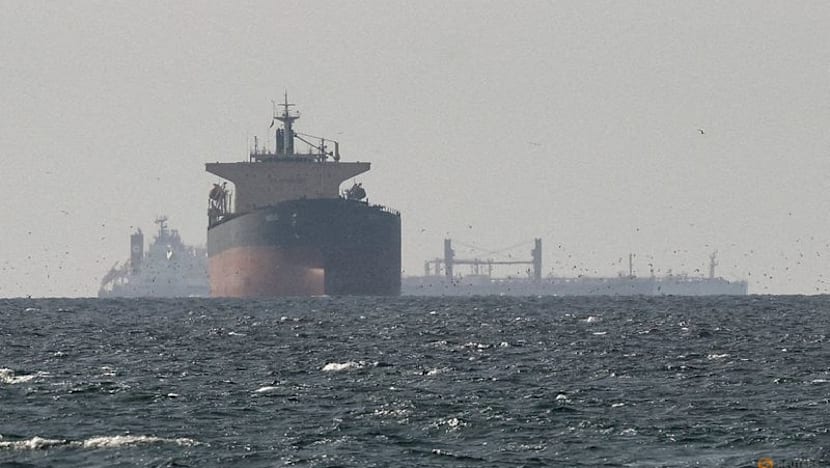
- Houthis opened a new front on July 20 by declaring a blockade of Saudi Red Sea ports, and on Tuesday fired ballistic missiles at a Saudi oil tanker, which they said was forced to turn back.
Why it matters: The Gulf-backed voluntary-fee framework is a creative compromise over one-fifth of global oil and LNG flows, but Iran's rejection of Trump's frozen-asset payment plan and Trump's renewed strike threats leave the deal fragile — any collapse could quickly reverse the 8% oil-price decline and reignite Gulf-state shipping disruptions.