Oman pitches Gulf-backed voluntary Hormuz fee plan to Iran — SkimNews
Get the Geopolitics newsletter
Daily geopolitics — wars, elections, sanctions, the diplomatic moves that move markets. Free.
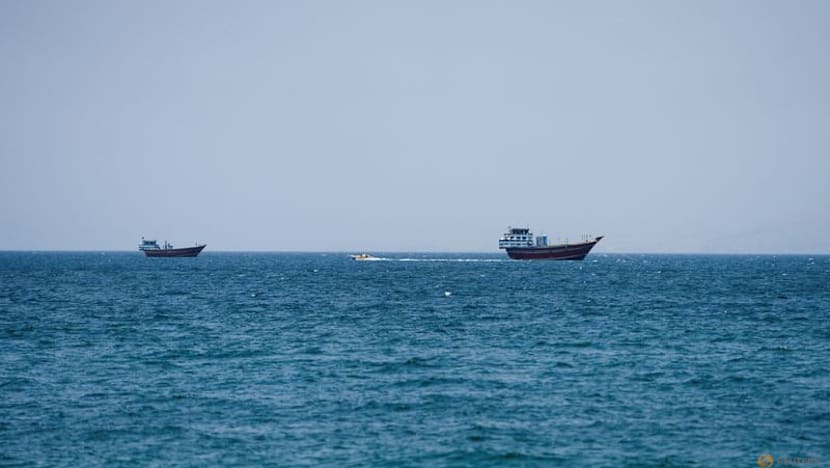
- Oman has presented Iran with a Gulf-backed plan to manage the Strait of Hormuz through voluntary shipping fees, according to a Gulf source and a Western diplomat briefed on the matter (Jul 28); Gulf Cooperation Council foreign ministers met by video call the same day to discuss freedom and safety of vessels through the waterway.
- The Omani proposal mirrors the Strait of Malacca system, where Indonesia, Malaysia, and Singapore collect voluntary contributions from ships to fund navigation, environmental protection, and search-and-rescue — a Western diplomat compared it to a voluntary carbon tax where travelers can tick a box on a plane ticket.
- Iran has said it wants to manage the strait alongside Oman and charge service fees; Deputy Foreign Minister Kazem Gharibabadi proposed Tehran handle one-way shipping on its side while Muscat manages part of the opposite direction, but Washington wants a return to the pre-war status quo with no payments and calls mandatory fees illegal.
- Iran's joint military command rejected Trump's plan to pay vessel damages from frozen Iranian assets, warning that any country or company accepting such payments would be denied passage through the strait by Iran's armed forces.
- Trump called off a two-week US bombing campaign over the weekend after military commanders advised the strategy had run its course, but reiterated on Fox News that he is prepared to strike more targets and potentially take out Iran's underground Pickaxe Mountain facility 'very easily' if no deal is reached.
- Brent crude futures fell about 1.6% to roughly US$87 a barrel on Tuesday, extending an ~8% drop from Monday after the bombing pause; separately, Houthis fired ballistic missiles at a Saudi oil tanker in the Red Sea they said was forced to turn back, compounding routing risk alongside their declared blockade of Saudi ports.
- Iran denies seeking new negotiations and accuses Washington of violating the June framework agreement, which had set talks for end-August to resolve issues including Iran's nuclear programme.
Why it matters: This proposal tests whether a voluntary-fee compromise can reopen a strait carrying roughly a fifth of global oil and LNG flows. Iran rejects Washington's 'no payments' stance and has already threatened to deny passage to anyone accepting Trump's frozen-assets damage compensation, while a new Houthi blockade of Saudi Red Sea ports adds parallel routing risk for shippers weighing the Gulf corridor.
Ask SkimNews


