Nearly 1 in 10 young adults could have fatty, narrow arteries — SkimNews

Get the Health newsletter
Daily health & science — research, biotech, public health, the studies worth knowing. Free.
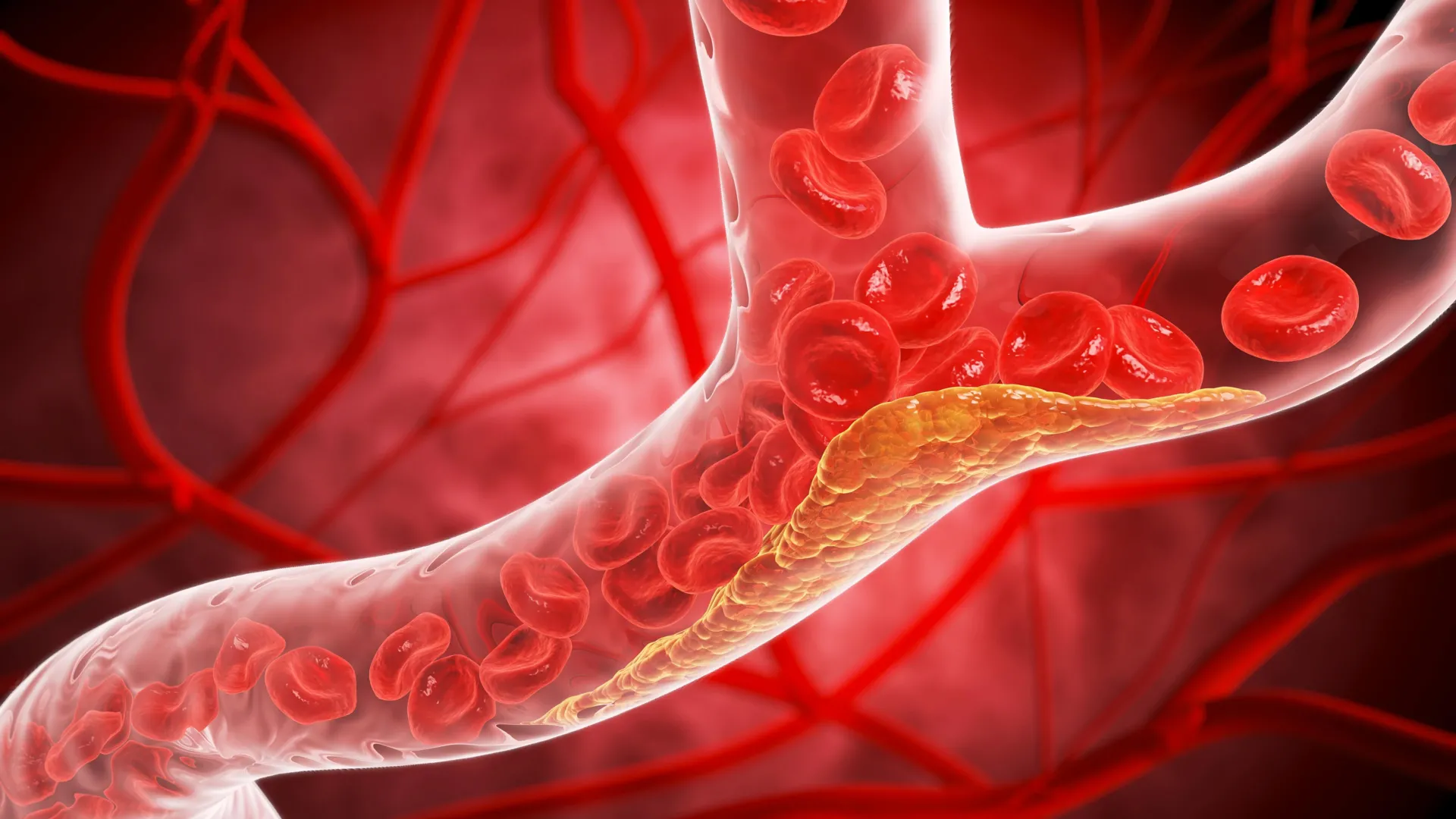
- Borja Ibáñez and colleagues at the Spanish National Centre for Cardiovascular Research scanned nearly 17,000 adults aged 18 to 70 in Denmark and Spain using CT angiography and ultrasound, finding 'silent' atherosclerosis in 57% overall — 63% of men and 51% of women.
- In the youngest group aged 18 to 29, 9% of men and 7% of women had some degree of plaque in their arteries, with rates climbing sharply to 35% of men and 21% of women in their 30s.
- Women began to catch up with men in atherosclerosis prevalence around the age of menopause, narrowing what had been a large sex gap in younger age brackets.
- Traditional risk factors such as high LDL cholesterol, elevated blood pressure and family history did not reliably predict plaque presence, especially in younger adults, suggesting standard risk screenings could miss at-risk people.
- Olli Raitakari at the University of Turku, who was not involved in the study, called atherosclerosis 'a lifelong process, not a disease of old age,' but cautioned that plaque presence does not necessarily predict future heart attack or stroke.
- The researchers propose that imaging to detect plaque could flag apparently low-risk individuals for earlier preventive measures such as medication or dietary changes, though they acknowledged it is unclear whether the findings generalize beyond Denmark and Spain.
- The study was published in The New England Journal of Medicine (DOI: 10.1056/NEJMoa2609059).
Why it matters: If even roughly 1 in 10 adults under 30 already harbor arterial plaque, current risk calculators that rely on cholesterol and blood pressure may be systematically undercounting cardiovascular risk in young people, delaying preventive care until a first heart attack or stroke occurs.
Ask SkimNews