Warsh's Fed Credibility Tested as Bond Market Sours — SkimNews

Get the Finance newsletter
Daily finance — markets, central banks, M&A, the prints that move money. Free.
- FOMC voted 9-3 to leave interest rates at 3.5-3.75%, with three members dissenting in favor of a hike, marking unusually deep divisions in Warsh's early tenure as chair
- 30-year Treasury yield hit its highest level since 2007 after Warsh's press conference, while the 2-year yield fell, signaling investors expect the Fed to hold longer and potentially hike more aggressively down the road
- CME FedWatch showed the odds of rates staying unchanged at the next FOMC meeting jumped 20 percentage points to 45%, reflecting market confusion about Warsh's policy path
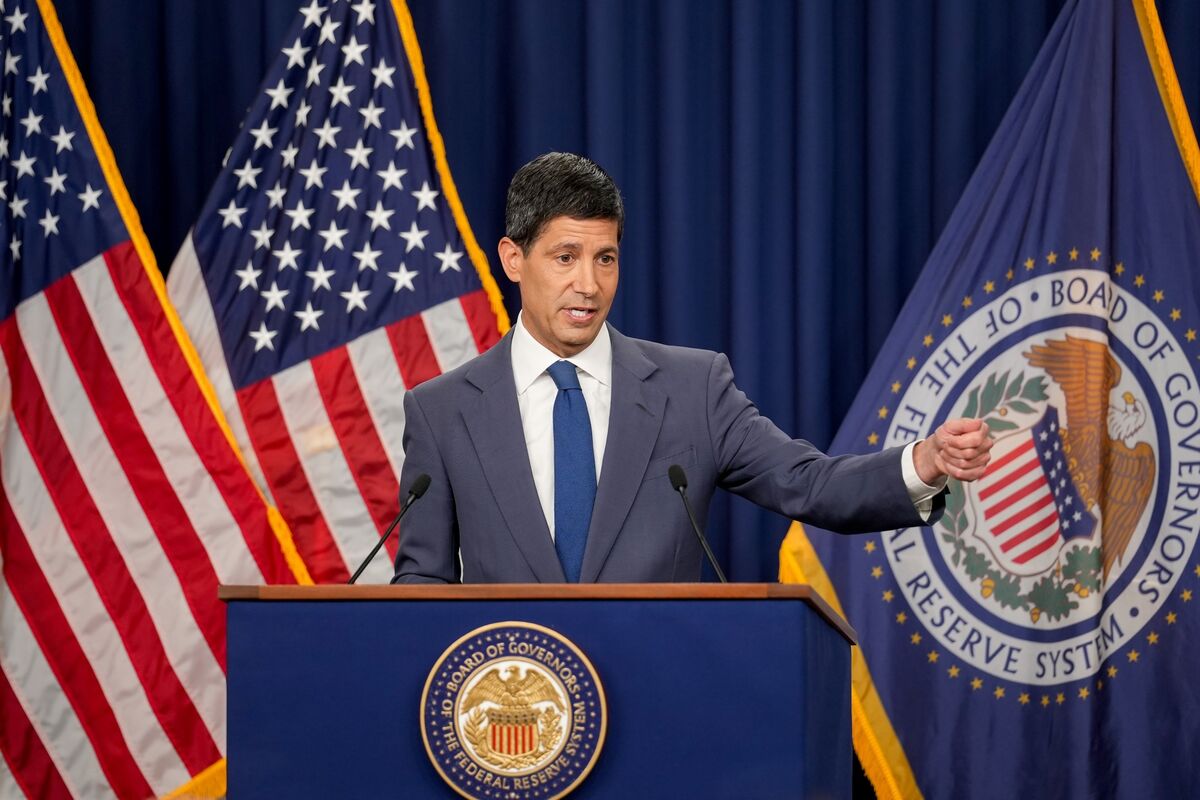
- Federal Reserve under Warsh ended the practice of forward guidance, with the chair telling reporters, 'we need to observe market reaction to developments, direct and unfiltered,' and declining to say what would trigger a hike
- Warsh floated abandoning the PCE index as the Fed's official 2% inflation target, saying 'who knows, come after next January, what we might say about strategy,' even as PCE ran at 4.1%
- JPMorgan chief U.S. economist Michael Feroli warned that 'A Fed chair has never been in the minority on a vote about interest rates,' suggesting the three dissents could grow if data doesn't improve
- Jon Hilsenrath wrote that 'Warsh didn't convey the message clearly or explicitly, and the bond market puked on him,' summing up the negative reaction from the longtime Fed watcher
Why it matters: Warsh built his case for the chairmanship on criticizing predecessor Powell's credibility, yet his first major test has the 30-year yield at a 2007 high and three FOMC members openly dissenting. With PCE inflation at 4.1% and his refusal to articulate a clear rate-hike trigger, Warsh now faces a two-front credibility problem — with bond traders and inside his own committee.
Ask SkimNews