Xi Hosts Putin for 25th Visit, But China Sets the Terms — SkimNews

SkimNews Take
The "new type of world order" championed by Beijing and Moscow reflects a shift towards a multipolar global system, challenging the unipolar dominance that has characterized international relations since the Cold War.
Get the Geopolitics newsletter
Daily geopolitics — wars, elections, sanctions, the diplomatic moves that move markets. Free.
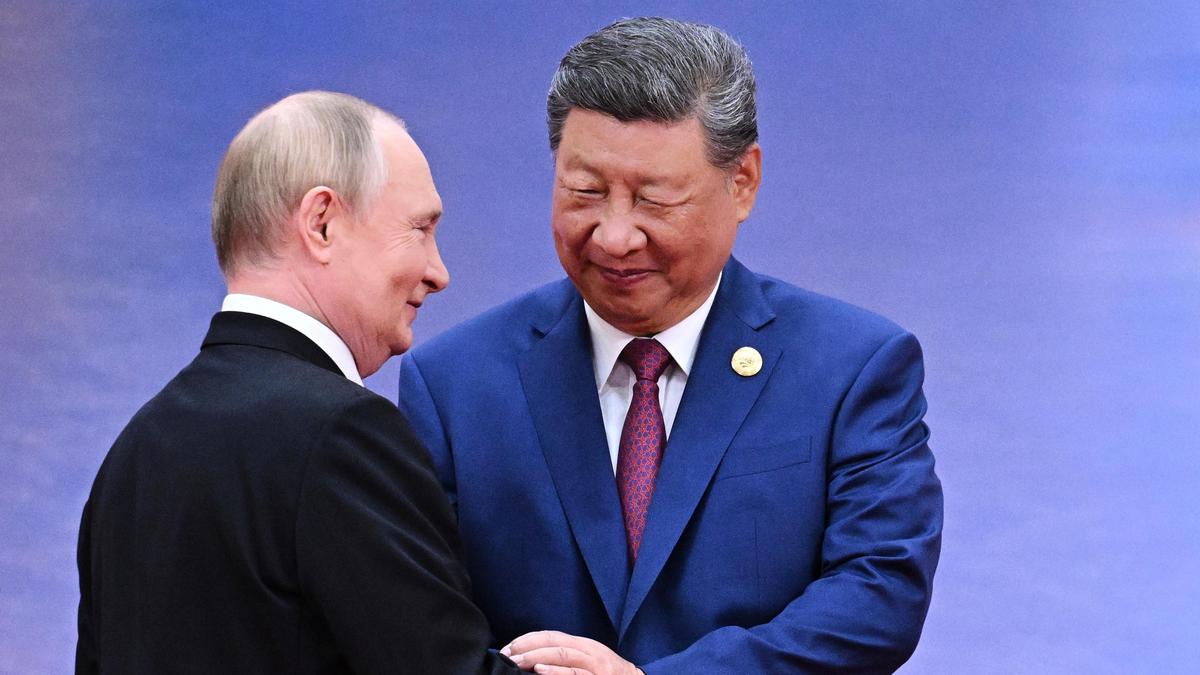
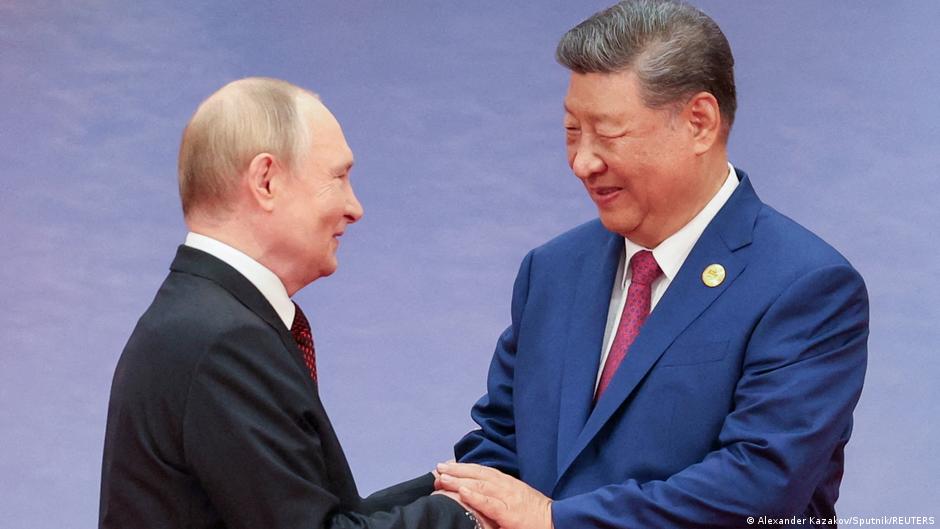
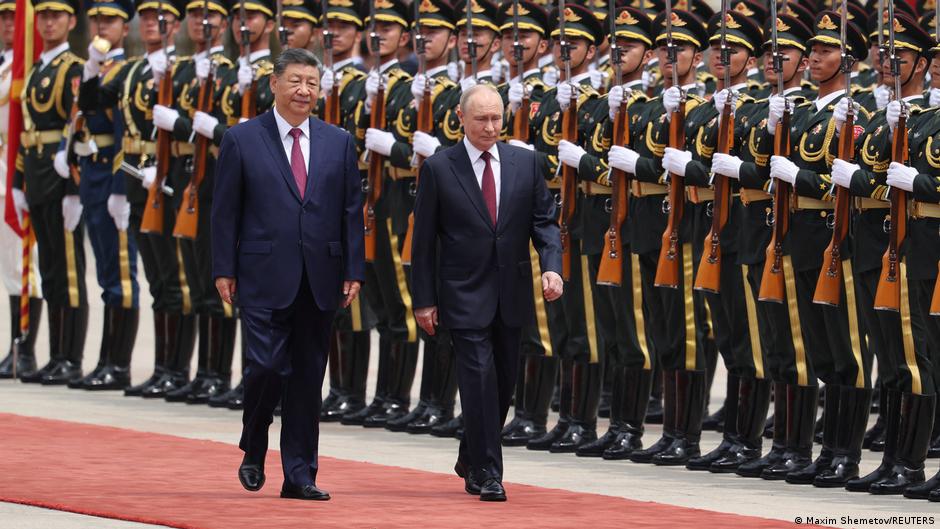
- Xi Jinping hosted Vladimir Putin in Beijing for his 25th visit to China — a routine gathering, as the two leaders have met more than 40 times since 2013, contrasting with Trump's stopover days earlier.
- Xi and Putin signed cooperation documents spanning energy, higher education, and media, and adopted a joint statement vowing to build a "new type" of international relations and a multipolar world order rooted in shared opposition to US primacy.
- The two countries have stopped short of major joint action against the US, offering muted responses to the ousting of Venezuela's Maduro and limited support for Iran in its war with the US and Israel — relying mostly on UN Security Council vetoes.
- Russia lacks the economic and technological capacity to help China bypass US tariffs or export controls on advanced semiconductors and AI hardware, having fallen behind in the global technology race under Western sanctions.
- China has been selective in backing Russia's Ukraine war effort — supplying dual-use components like chips and fiber-optic cables but withholding lethal weapons, and confining joint military exercises with Russia to waters near Japan and South Korea, not Europe.
- Beijing has repeatedly delayed its final commitment to the proposed Power of Siberia-2 gas pipeline, which would partially compensate Russia for lost European market revenue.
- The Kremlin has accepted a "junior partner" role — staying silent on Chinese troop presence in Tajikistan, part of Russia's former sphere of influence — while simultaneously courting India and Vietnam to hedge against Beijing's regional dominance.
Why it matters: The Xi-Putin summit projects unity against US primacy, but the source reveals the partnership is hollow where it counts: Russia can't help China circumvent US tariffs or tech export controls, and Beijing has withheld both lethal weapons for Ukraine and a final commitment to the Power of Siberia-2 pipeline. Russia's acceptance of "junior partner" status — evidenced by silence on Chinese troops in former Russian sphere Tajikistan — gives Beijing structural leverage in any future geopolitical negotiation.
Ask SkimNews