Open-Label Placebos Boost Memory in Older Adults — SkimNews
Get the Health newsletter
Daily health & science — research, biotech, public health, the studies worth knowing. Free.
- Università Cattolica researchers (Diletta Barbiani, Alessandro Antonietti, Francesco Pagnini) randomized 90 healthy older adults into three groups — no treatment, deceptive placebo, and open-label placebo — over a three-week trial published in the International Journal of Clinical and Health Psychology.
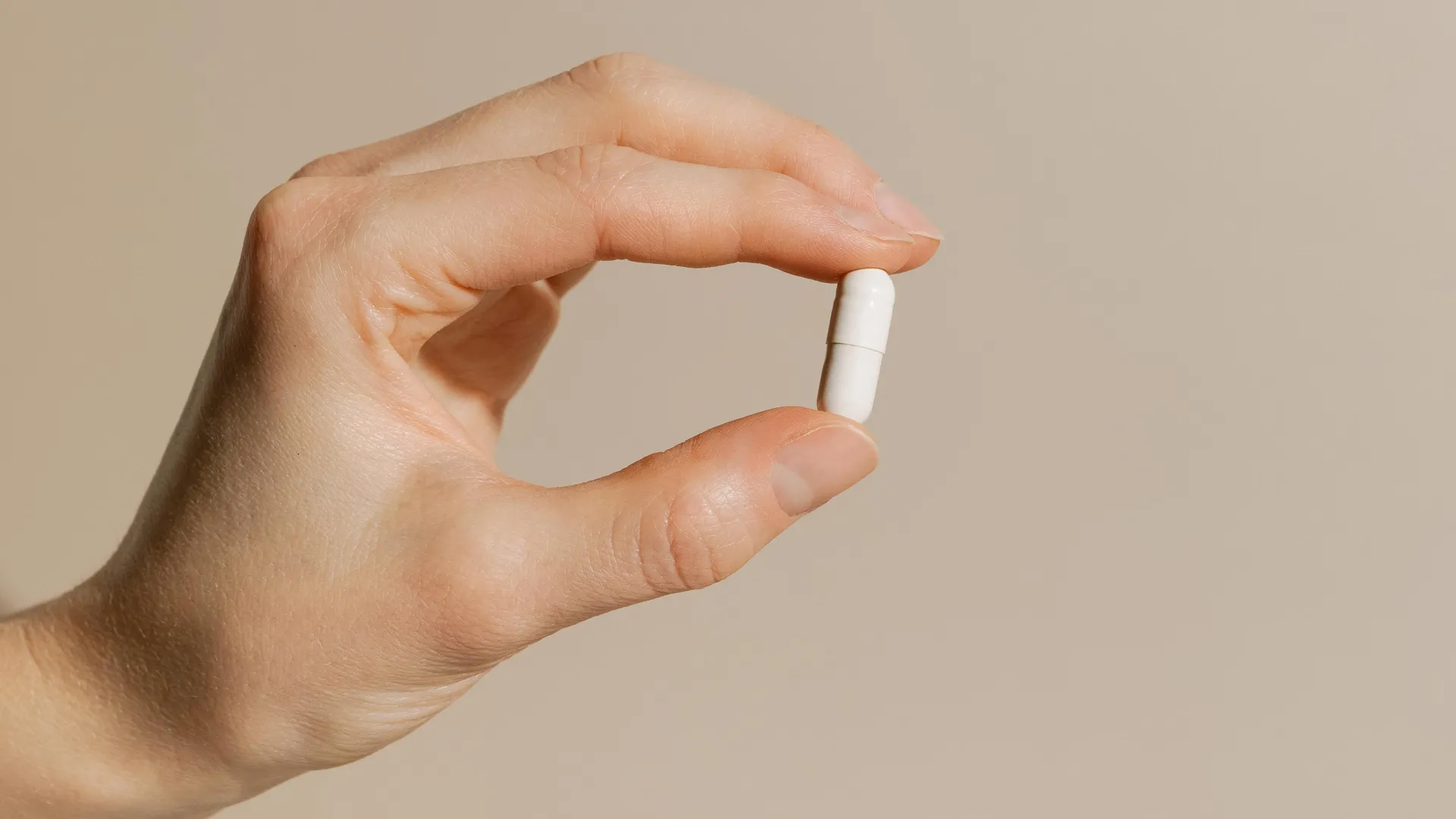
- The open-label placebo group showed lower stress levels than both the deceptive placebo and control groups, plus significant short-term memory gains compared with no intervention, despite knowing the pills were inactive.
- Physical performance rose 7% in the deceptive placebo group and 9.2% in the open-label group — gains the researchers call comparable to those seen in exercise studies.
- Cognitive scores climbed 12.6%–14.6% in the deceptive group and a wider 6.9%–21.5% in the open-label group depending on the specific test, with the strongest gains generally among participants who knew they were taking a placebo.
- Professor Pagnini says the findings position open-label placebos as a promising, ethically acceptable tool for supporting healthy aging, adding to evidence that thoughts and self-perception can shape physical and cognitive function in older adults.
- The Age-IT project, funded through PNRR grants, supported the study, which the researchers frame as part of an established line of inquiry into the mind's role in aging processes.
Why it matters: Conventional placebo theory held that belief in a real treatment was essential to the effect — yet the open-label group here outperformed the deceptive one on several measures. For clinicians and aging researchers, that flips the ethical calculus: a harmless, transparent intervention produced memory and physical gains comparable to exercise studies, opening a drug-free avenue for supporting healthy aging in older adults.
Ask SkimNews