Trump‑Xi Summit to Spotlight Taiwan Independence — SkimNews
SkimNews Take
Taiwan's de facto independence, while not formally recognized by most nations, provides a diplomatic ambiguity that allows for flexible international engagement without directly challenging China's "One China" principle.
Get the Geopolitics newsletter
Daily geopolitics — wars, elections, sanctions, the diplomatic moves that move markets. Free.
- Trump will meet Xi in Beijing next month, and China will raise Taiwan independence at the summit.
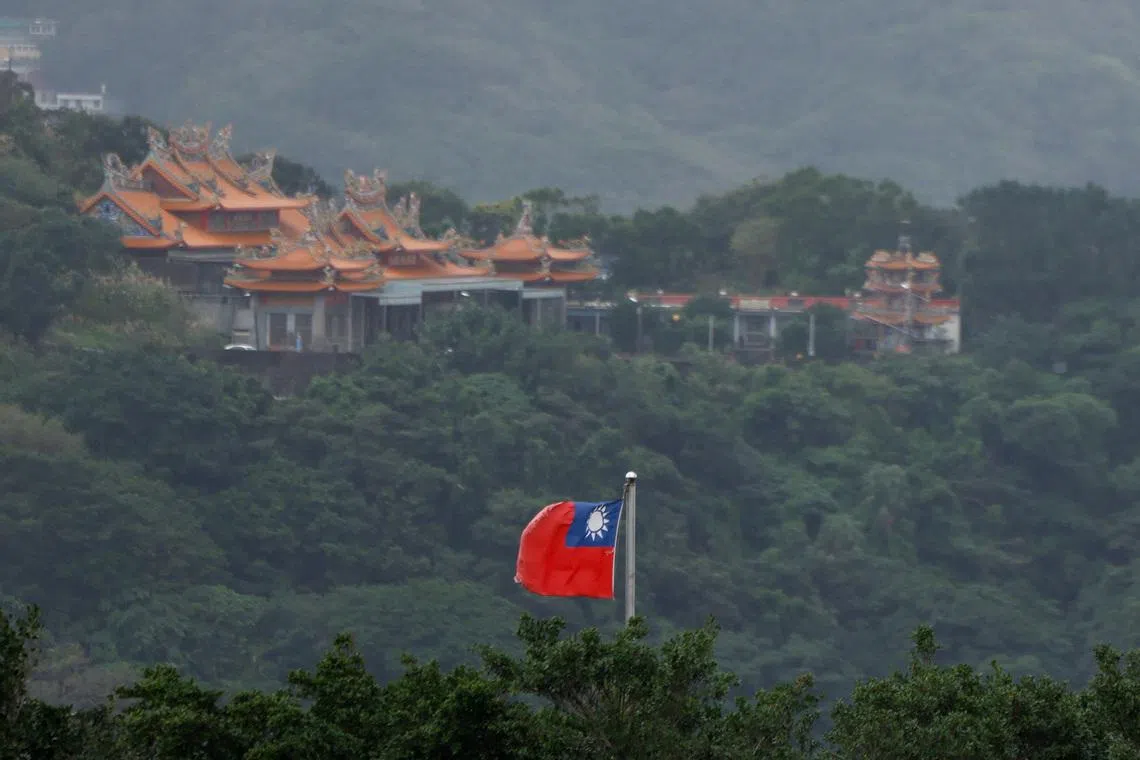
- Taiwan remains the Republic of China, the formal name retained since 1949 after the ROC government fled mainland China.
- United Nations passed Resolution 2758 in 1971, which Beijing cites to argue Taiwan belongs to China, though the resolution never mentions Taiwan.
- People's Republic of China threatens force to achieve reunification, offering a "one country, two systems" model that Taiwan's major parties reject.
- United States maintains a policy of providing Taiwan with defensive capabilities under the Taiwan Relations Act, while officially not taking a position on sovereignty.
Why it matters: Taiwan's security calculus will be tested at the summit next month, forcing the island to adjust defense plans while Asian allies must recalibrate regional security postures, influencing future arms‑sale negotiations.
Ask SkimNews