Trump to Pay TotalEnergies $928M to Halt Wind Leases — SkimNews
Get the Energy newsletter
Daily energy & climate — solar, EVs, oil, the policy fights and tech bets shaping the transition. Free.
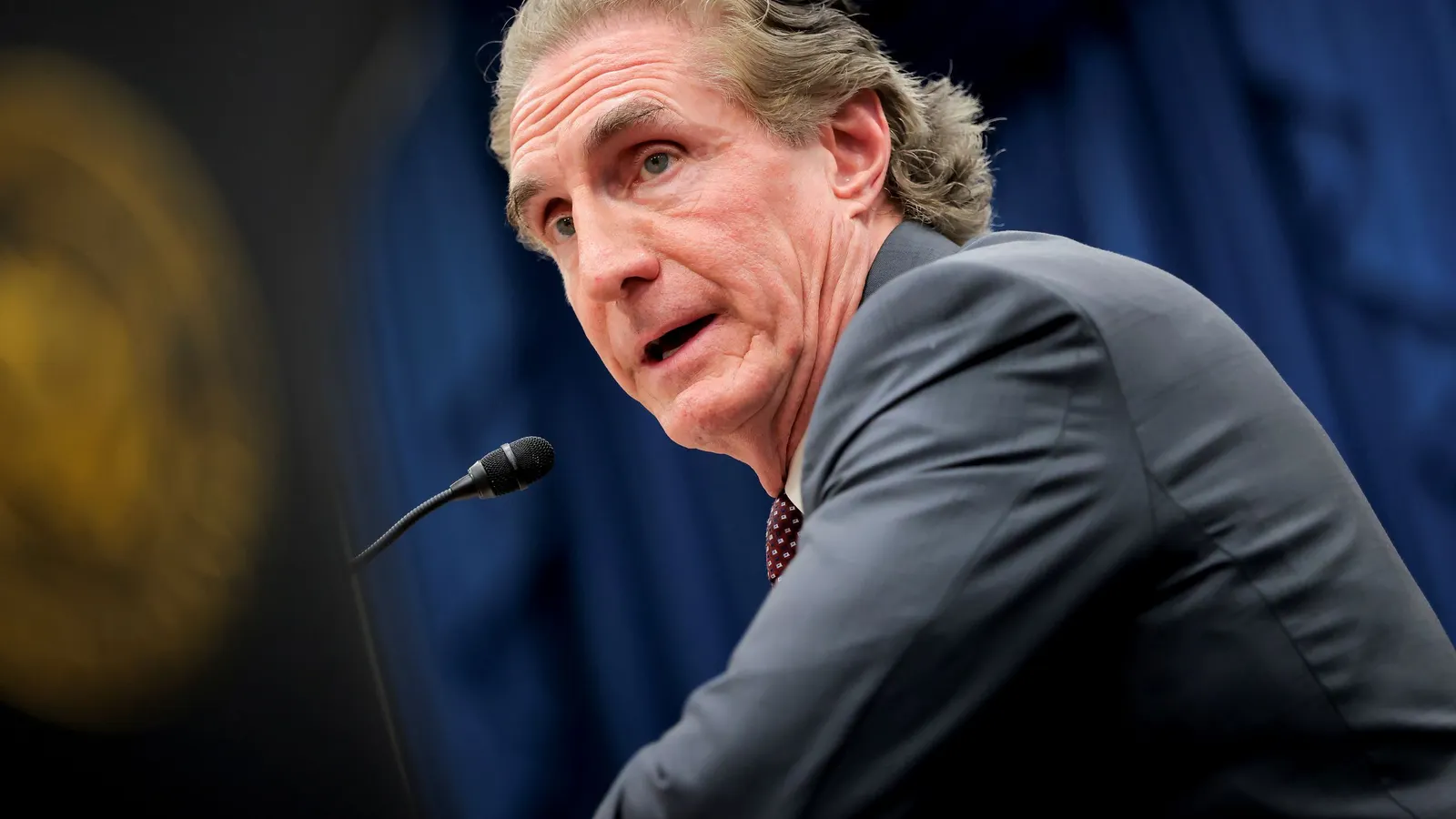
- The Interior Department will reimburse TotalEnergies $928 million — the same amount the company paid under Biden for two offshore leases off New York and North Carolina — to scrap the projects permanently, with Interior Secretary Doug Burgum announcing the deal at CERAWeek in Houston alongside TotalEnergies CEO Patrick Pouyanne.
- TotalEnergies pledged not to develop any new U.S. offshore wind projects and committed nearly $1 billion to four LNG trains at Rio Grande LNG in Texas, Gulf upstream oil, and U.S. shale gas.
- Trump's year-long anti-wind campaign includes an executive order pausing approvals, repeated claims that turbines "kill whales," and assertions that wind is "the most expensive form of energy" — directly contradicted by industry data showing wind is the cheapest source of new U.S. electricity.
- Federal courts have ruled against the administration's wind halts five times, most recently in February when Judge Royce Lamberth issued a preliminary injunction allowing Sunrise Wind off New York to resume construction.
- Industry and climate critics hit back hard: Oceantic Network's Sam Salustro called the deal "political theatre" that removes affordable energy from the grid while prices rise, and Evergreen Action's Lena Moffitt said Trump is "deliberately deepening our dependence on the same volatile fossil fuel markets his reckless war is destabilising."
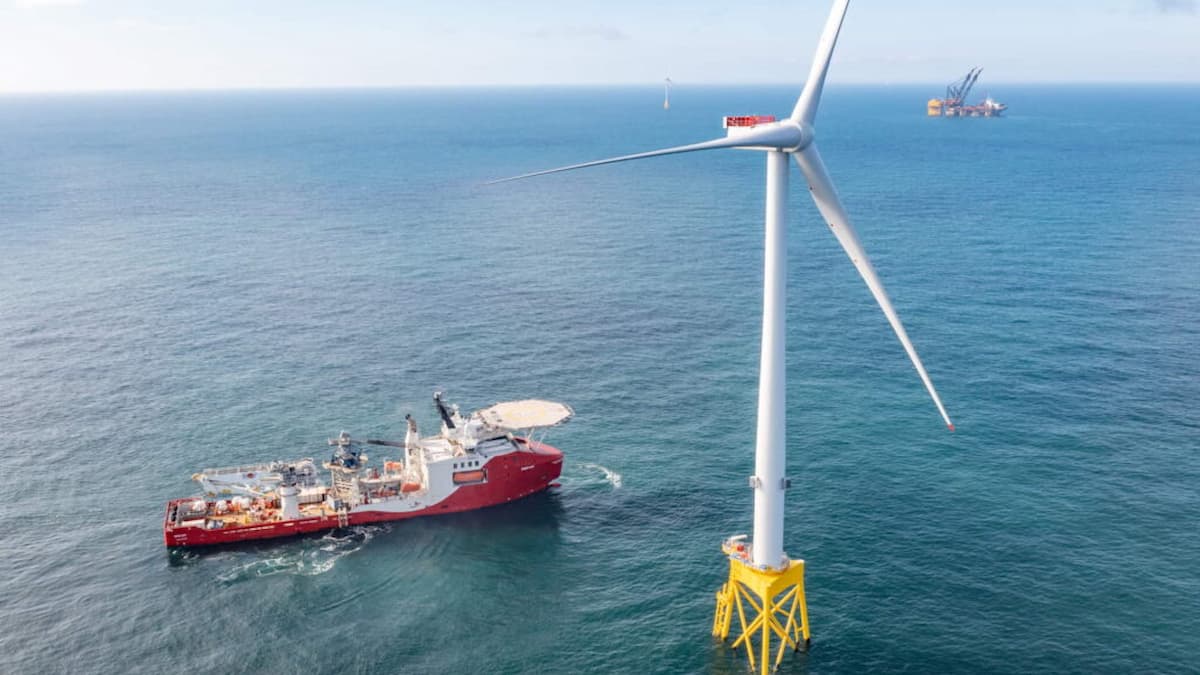
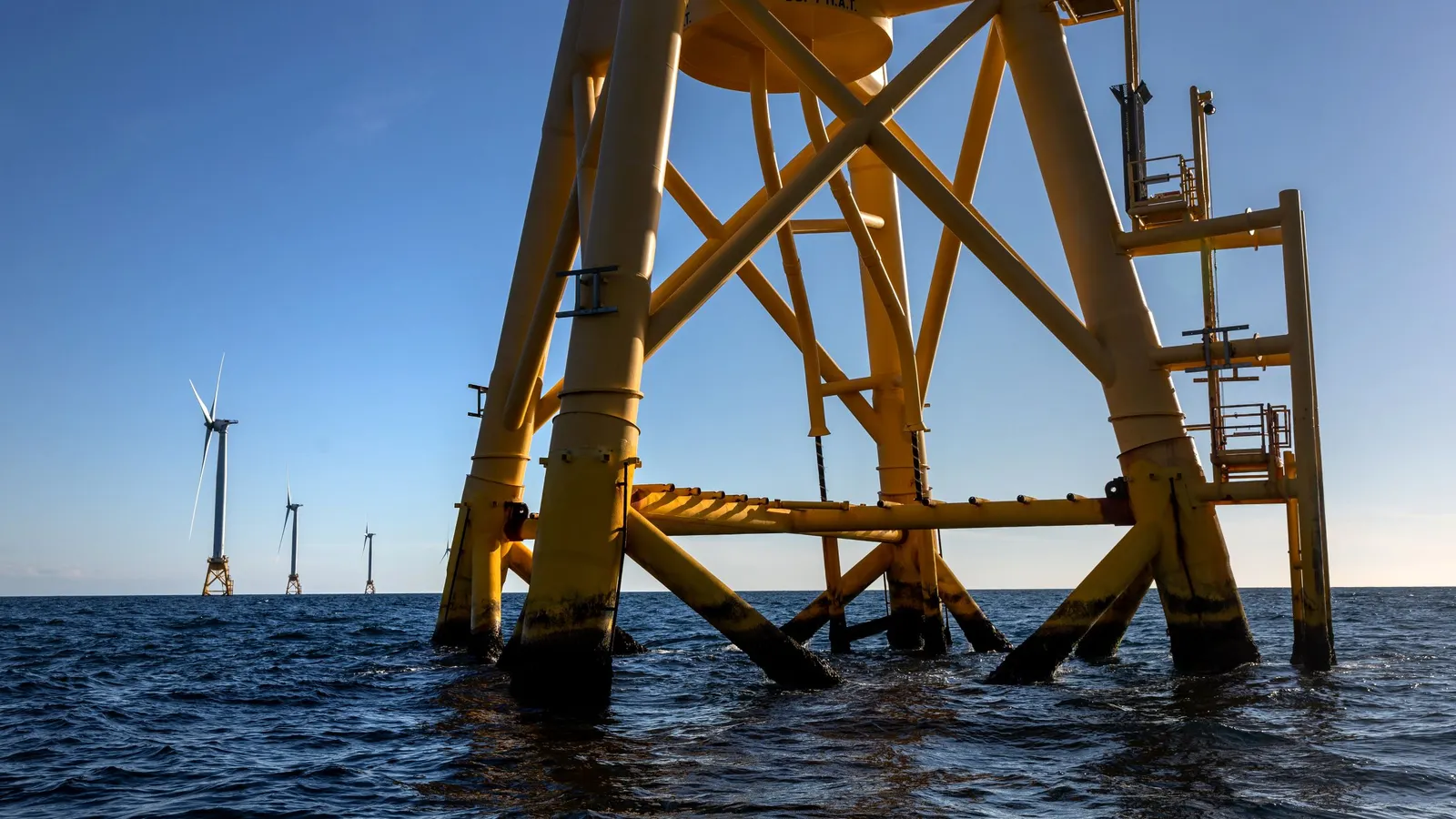
- Two offshore wind projects went ahead despite the administration: Vineyard Wind off Massachusetts completed in March, and Revolution Wind off Rhode Island launched operations just days before the TotalEnergies announcement.
Why it matters: Taxpayers are reimbursing TotalEnergies the $928 million it paid Biden for the very same leases, then watching the French firm redirect roughly $1 billion into LNG and Gulf oil — effectively paying a foreign company to swap cheap, homegrown electricity for fossil fuel exposure at a moment when U.S. consumers face rising energy bills.
Ask SkimNews