MauiWES Becomes Rural Health Hub as Funding Runs Out — SkimNews

Get the Health newsletter
Daily health & science — research, biotech, public health, the studies worth knowing. Free.
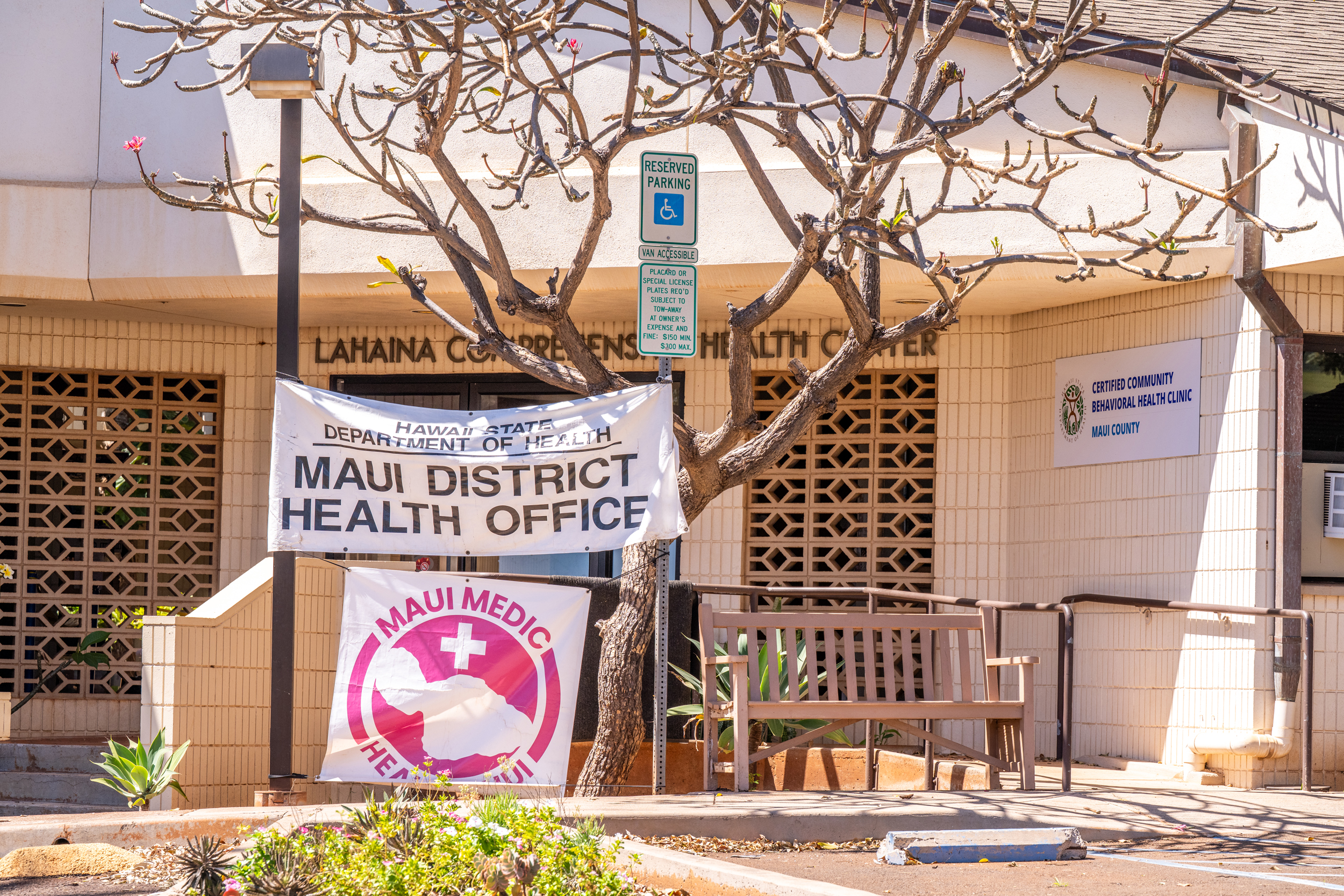
- MauiWES investigators Alika Maunakea (epigeneticist) and Ruben Juarez (health economist) fly monthly from the University of Hawaiʻi on Oʻahu to a west Maui health center, where they collect blood, urine, DNA, lung function, and mental health metrics from about 2,000 participants in one of the largest postfire health studies in the country.
- The study has unexpectedly become a de facto health hub: participants told STAT they rely on it for care navigation and screenings — spirometry, heavy metals testing — that aren't available at routine checkups on a rural island where the nearest major hospital is roughly an hour away and specialty care requires flying to Oʻahu.
- Preliminary results released in 2024 and 2025 show the cohort's lung function and mental health have declined over time, and newer analyses indicate ongoing heavy metal exposure that investigators attribute partly to the 2023 fires.
- Ash from Lāhainā contained elevated antimony, arsenic, chromium, plus carcinogenic furans and dioxins; Maui physician Bridget Bongaard said she would be "really naive" not to expect higher cancer incidence, and researchers are banking samples for planned epigenetic studies.
- The researchers plan to launch a nonprofit called HOʻALA to sustain the community health services, but nearly all grants have expired and only Maui County funds earmarked in July keep the study running through the end of 2026 — while the state Department of Health has been publicly critical of the work.
Why it matters: The 2023 Lāhainā fires killed over 100 people and exposed a rural island with a severe physician shortage and a single acute-care hospital roughly an hour away. With 'MauiWES' the only systematic long-term health surveillance for survivors and most of its funding set to lapse in 2026, the loss of the study would not just cut a decade-long research dataset — it would remove the de facto care-navigation lifeline that roughly 2,000 West Maui residents have come to rely on.
Ask SkimNews