Iran War Cuts Oil Supply, Spurs Global EV Sales — SkimNews
Get the Energy newsletter
Daily energy & climate — solar, EVs, oil, the policy fights and tech bets shaping the transition. Free.
- Iran war has kept the Strait of Hormuz closed since its start, and Yemen has threatened to close the Bab el‑Mandeb Strait, further restricting oil routes.
- Federal Reserve Bank of Dallas estimates the combined closures could cut 20% of global oil supply, a disruption 3‑5 times larger than past crises, and could push oil prices to about $100 per barrel.
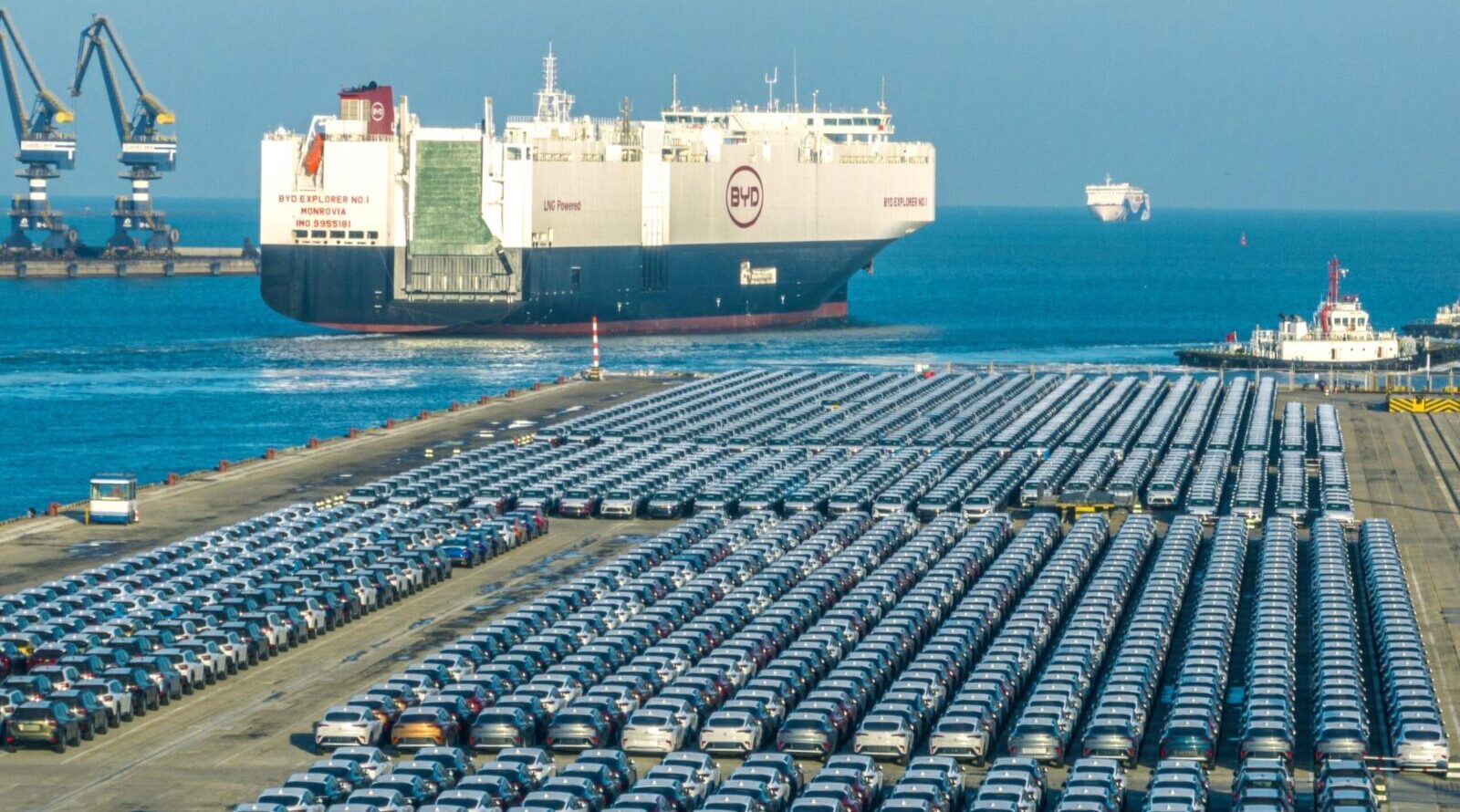
- China reduced EV subsidies by $5,000 per vehicle on January 1 2026, softening domestic EV sales while prompting automakers to boost exports and close factories to address overcapacity.
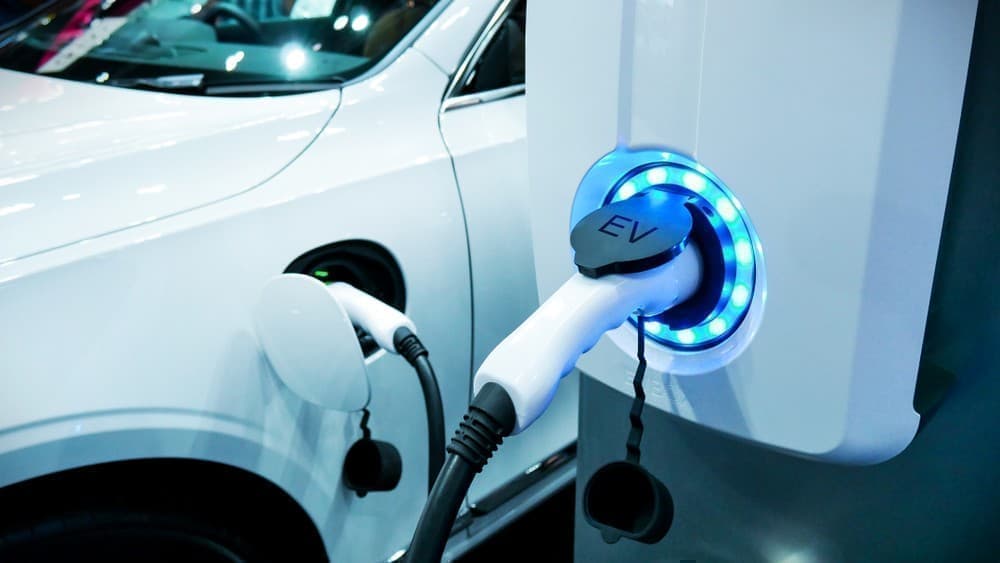
- United States EV sales surged in the third quarter after the $7,500 tax credit deadline, then fell in the fourth quarter and early this year as many buyers had already purchased.
- Tesla cut the price of its Standard Model 3 and Model Y by $5,000, receiving a lukewarm market response in the United States.
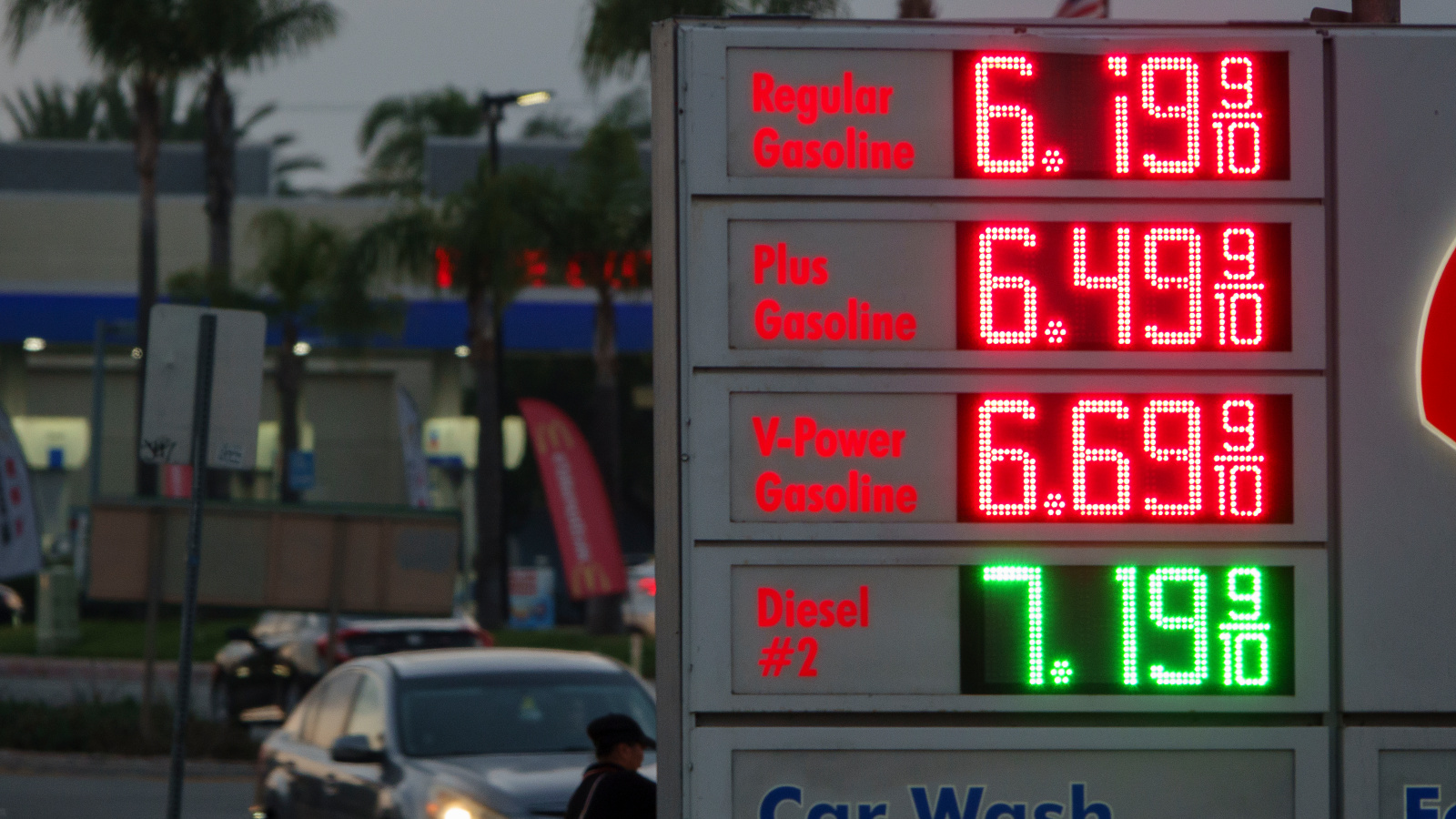
- Search interest in electric vehicles in the United States more than doubled within weeks of the Iran war news as gasoline prices rose $1 per month.
- Europe is expected to accelerate its EV transition, driven by market forces rather than regulation, and markets like Australia without domestic auto industries may see heightened EV demand.
Why it matters: Rising oil prices from the war boost electric‑vehicle sales, benefitting manufacturers such as Tesla, Nissan, and Chevrolet, while consumers face higher fuel costs and oil producers may see a short‑term drilling surge that could be offset by a longer‑term shift toward EVs.
Ask SkimNews