China’s first aircraft carrier forms ‘evolving pattern’ of voyages in disputed Asian seas — SkimNews
Get the Geopolitics newsletter
Daily geopolitics — wars, elections, sanctions, the diplomatic moves that move markets. Free.
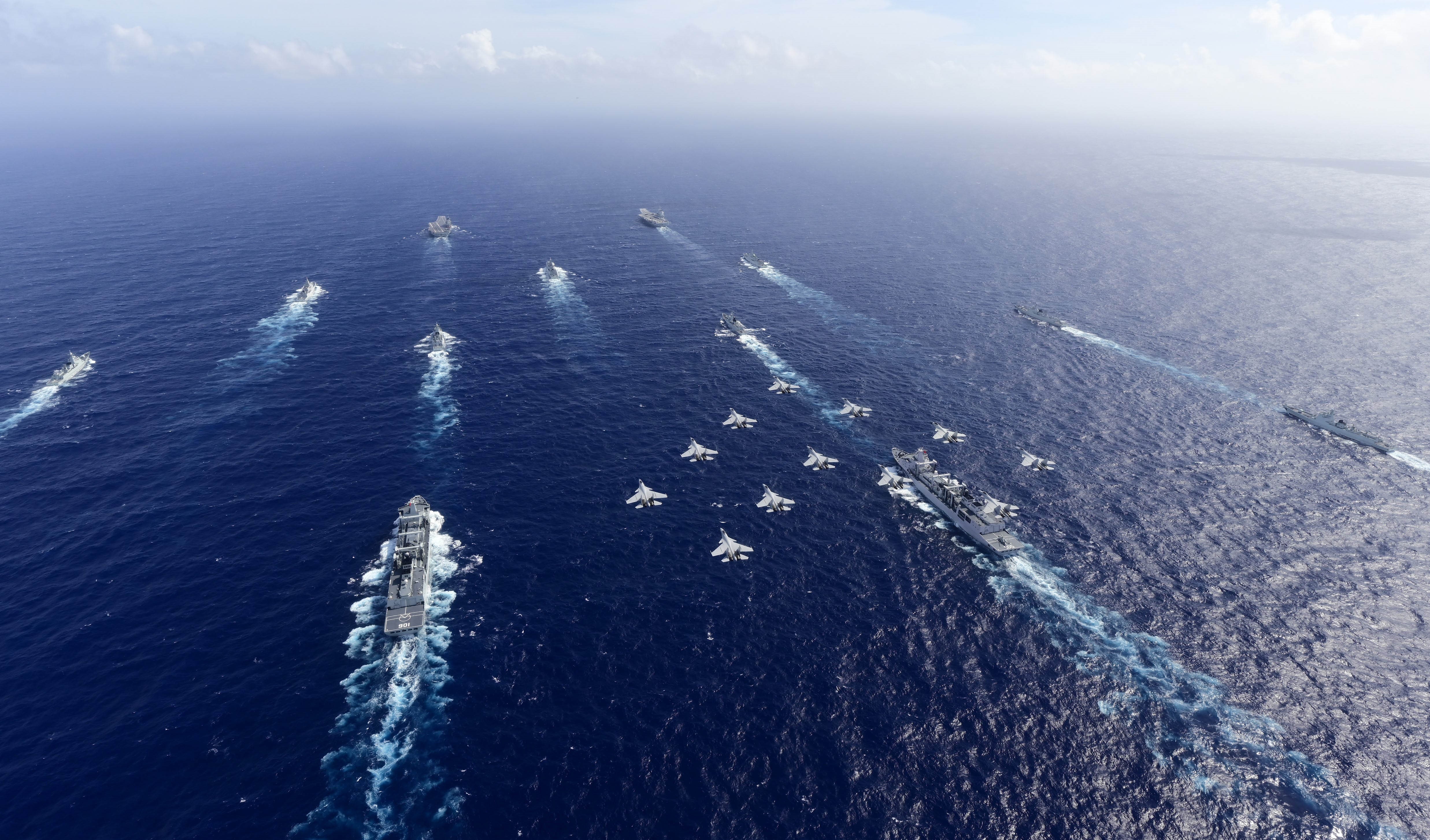
- CNS Liaoning completed at least six distant-seas deployments since 2012, with its most recent beginning October 14 in the western Pacific, according to the Chinese People’s Liberation Army Navy.
- People’s Liberation Army Navy stated the October deployment was part of an annual training plan to test and improve combat readiness, as reported by state media Xinhua.
- Carl Thayer described the Liaoning’s voyages as an 'evolving pattern' of far-seas training that demonstrates China’s naval capability and political influence in near and far seas.
- Collin Koh noted the Liaoning’s role in testing flight operations and sensors to help validate emerging technologies for China’s newer carrier, the CNS Shandong, an improved version of the Liaoning.
- Taiwan Ministry of National Defense monitored the Liaoning’s movements in mid-October, citing concerns over potential large-scale Chinese military exercises near the island.
- Japanese defense ministry observed fighter aircraft launching and landing from the Liaoning 250 kilometers south of Ishigaki Island, within Japan’s maritime exclusive economic zone.
- Colin Karotam highlighted that the Liaoning’s aircraft operations in Japan’s EEZ were 'uncommon,' though possibly not unprecedented, during its October deployment.
Why it matters: The Liaoning’s repeated deployments near Taiwan, Japan, and the Philippines signal a sustained Chinese naval presence in contested waters, directly affecting regional military monitoring and strategic calculations. With the carrier operating in Japan’s EEZ and near Philippine waters, neighboring states face increased operational exposure and must adapt to more frequent, normalized Chinese power projection that supports next-generation carrier readiness.
Ask SkimNews