The World Cup is one wildfire away from an air quality disaster — SkimNews

Get the Energy newsletter
Daily energy & climate — solar, EVs, oil, the policy fights and tech bets shaping the transition. Free.
- FIFA has no publicly available air quality protocol for the 2026 World Cup, telling Grist it assesses climate risks and coordinates with host cities and national agencies but offering details only on heat and a generic "tournament-wide preparedness exercise" for severe weather, with no air quality thresholds and no on-the-record interview.
- Nicholas Watanabe, a University of South Carolina sport management professor, said "FIFA has basically almost done nothing" on air quality, adding the organization is "lagging behind even minor leagues in North America."
- The NWSL begins adding hydration breaks at AQI 101, considers rescheduling at 180, and mandates cancellation above 200; the NFL's 2022-23 game operations manual calls for relocation when AQI is consistently above 200, and the NCAA requires events to move indoors or be canceled above 300.
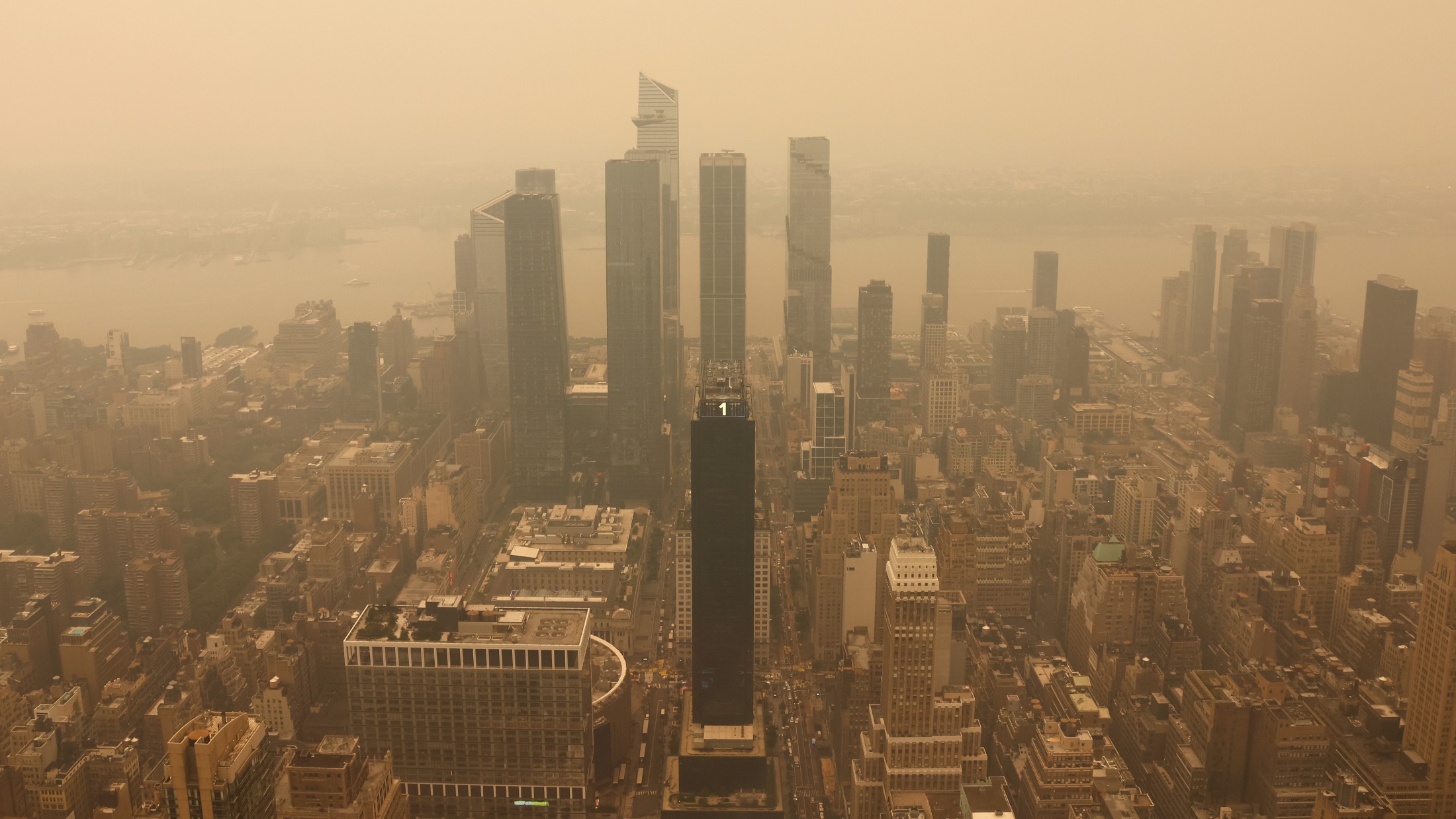
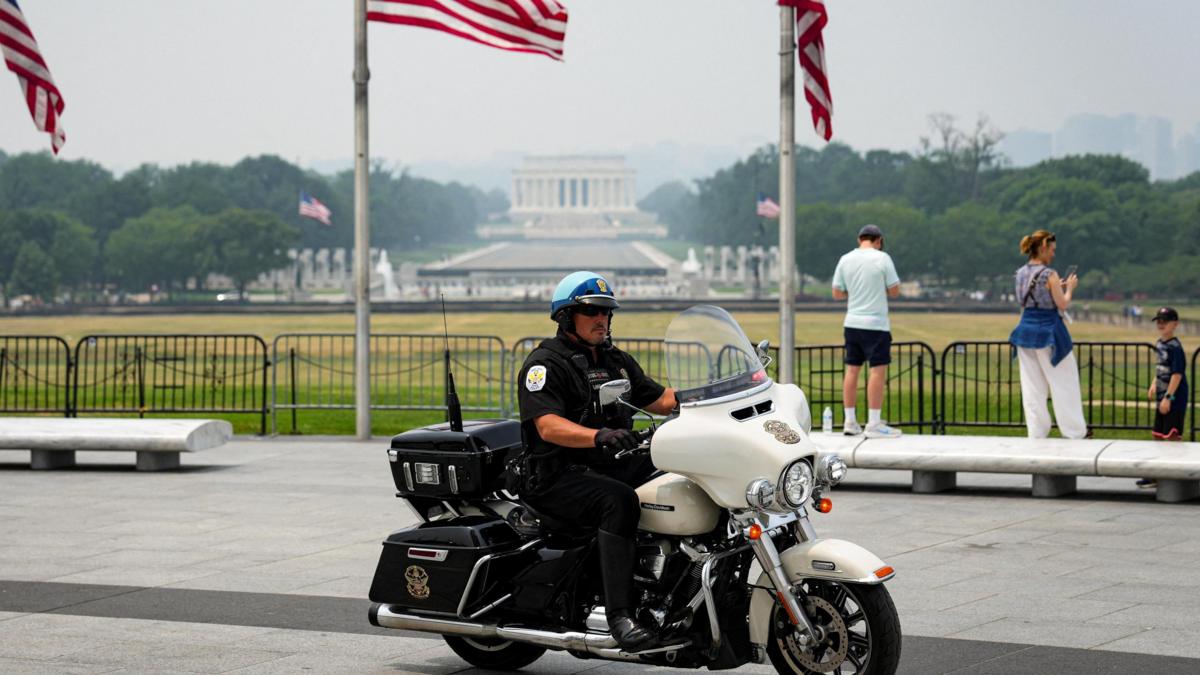
- The National Interagency Fire Center projects elevated wildfire risk across much of the western U.S. this summer after a warm winter and a potentially record-breaking El Niño, with Canadian officials making similar predictions and smoke capable of drifting thousands of miles to reach most host cities.
- Los Angeles's SoFi Stadium sat in the red zone of last month's multiday air quality advisory during southern California's nearly dozen wildfires; LA hosts 8 World Cup games from June 12 to July 10, while Seattle, Vancouver, and Atlanta are among other host cities historically prone to wildfire smoke.
- Philadelphia's public health department told Grist "there are no specific AQI levels that would automatically trigger suspension of FIFA events," saying the city would instead monitor air quality and "consider possible recommendations" — with most host city organizers redirecting questions back to FIFA.
Why it matters: The world's largest sporting event is entering a projected high-risk fire season with 16 host cities and no transparent AQI thresholds for postponing, relocating, or canceling matches — meaning health decisions for players and fans during smoke events would be handled ad hoc by local officials, with billions in tournament revenue on the line and no consistent standard across venues.
Ask SkimNews