S&P 500 Rally Faces Reality Check on CPI, Earnings — SkimNews
Get the Finance newsletter
Daily finance — markets, central banks, M&A, the prints that move money. Free.
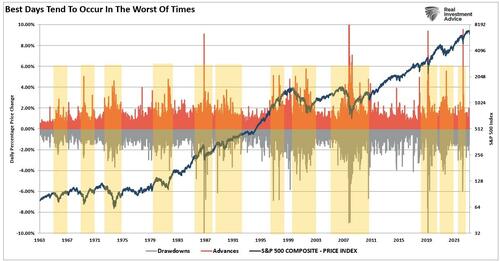
- S&P 500 posted one of its best days since 2022 after a correction, though the rally aligns with historical patterns where the best days follow the worst amid oversold conditions.
- JPMorgan Asset Management research indicates seven of the market’s 10 best days in any 20-year period occur within two weeks of the 10 worst, underscoring the risk of selling at lows.
- Clear Perspective Advisors data since 1974 shows the S&P 500 averages over 24% returns after corrections, with only 25% of post-WWII corrections becoming bear markets.
- Goldman’s trading desk observed the capitulation checklist is nearly complete, with the S&P below all key moving averages and critical CTA thresholds, setting up potential snap-back rallies.
- Goldman’s scenario analysis projects the S&P 500 could reach 6,300 in a moderate slowdown or fall to 5,400 under a severe oil shock, neither of which is reflected in current 2026 earnings estimates of $309 per share.
- March CPI will be a critical indicator, as a print above 0.4% MoM headline or 0.3% core could delay rate cuts to December or remove them entirely, given the impact of rising oil and gasoline prices.
- FOMC Minutes from the March 17–18 meeting will reveal internal debate depth after the Fed held rates steady, with updated projections showing higher 2026 core inflation at 2.7% and GDP at 2.4%.
Why it matters: Investors face heightened risk because the market rally isn’t backed by fundamentals—earnings estimates remain inflated while macro headwinds like oil prices and sticky inflation persist. A hot CPI print could lock in higher-for-longer rates, forcing a repricing of equities and punishing overexposed sectors like consumer discretionary and industrials.
Ask SkimNews