Mangroves Near Carbon-Storage Breaking Point, Model Finds — SkimNews
SkimNews Take
Mangroves' long evolutionary history in dynamic coastal zones means they are adapted to gradual sea level rise, but the current accelerated pace and intensity of climate change stressors threaten to overwhelm their natural adaptive capacity.
Get the Energy newsletter
Daily energy & climate — solar, EVs, oil, the policy fights and tech bets shaping the transition. Free.
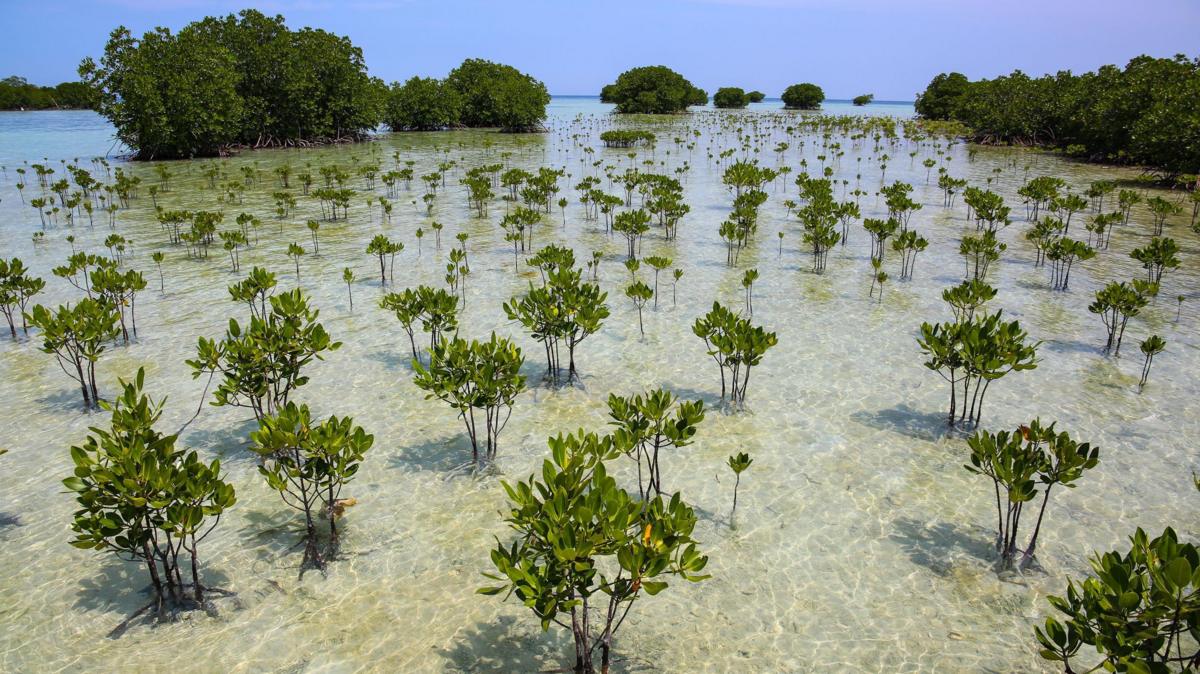
- Mangrove forests store roughly 15% of all ocean carbon while covering less than 1% of Earth's surface, but a new study in Earth's Future warns that whole-ecosystem carbon storage will likely decrease as sea level rise shrinks suitable habitat and kills more trees.
- Parts of these forests may shift from capturing carbon to emitting it under rising seas, said co-author Barend van Maanen, a coastal researcher at the University of Exeter.
- The researchers developed a new simulation incorporating water flow, sediment movement, erosion, sedimentation, and carbon dynamics, then tested it against multiple sea level rise rates—finding that the higher the seas rise, the more negative the impacts.
- Co-author Arya Iwantoro of the University of Plymouth stressed that local carbon gains do not guarantee whole-ecosystem gains, and that different areas within one mangrove respond differently based on proximity to channels and sediment sources.
- Mangrove forests in the low-lying Maldives are already drowning from prolonged flooding, providing real-world evidence of the drown-out scenario the model projects.
- Smithsonian scientist Andre Rovai, not involved in the study, called the work "outstanding" but flagged a limitation: the model does not account for organic sediments delivered by rivers into the mangroves.
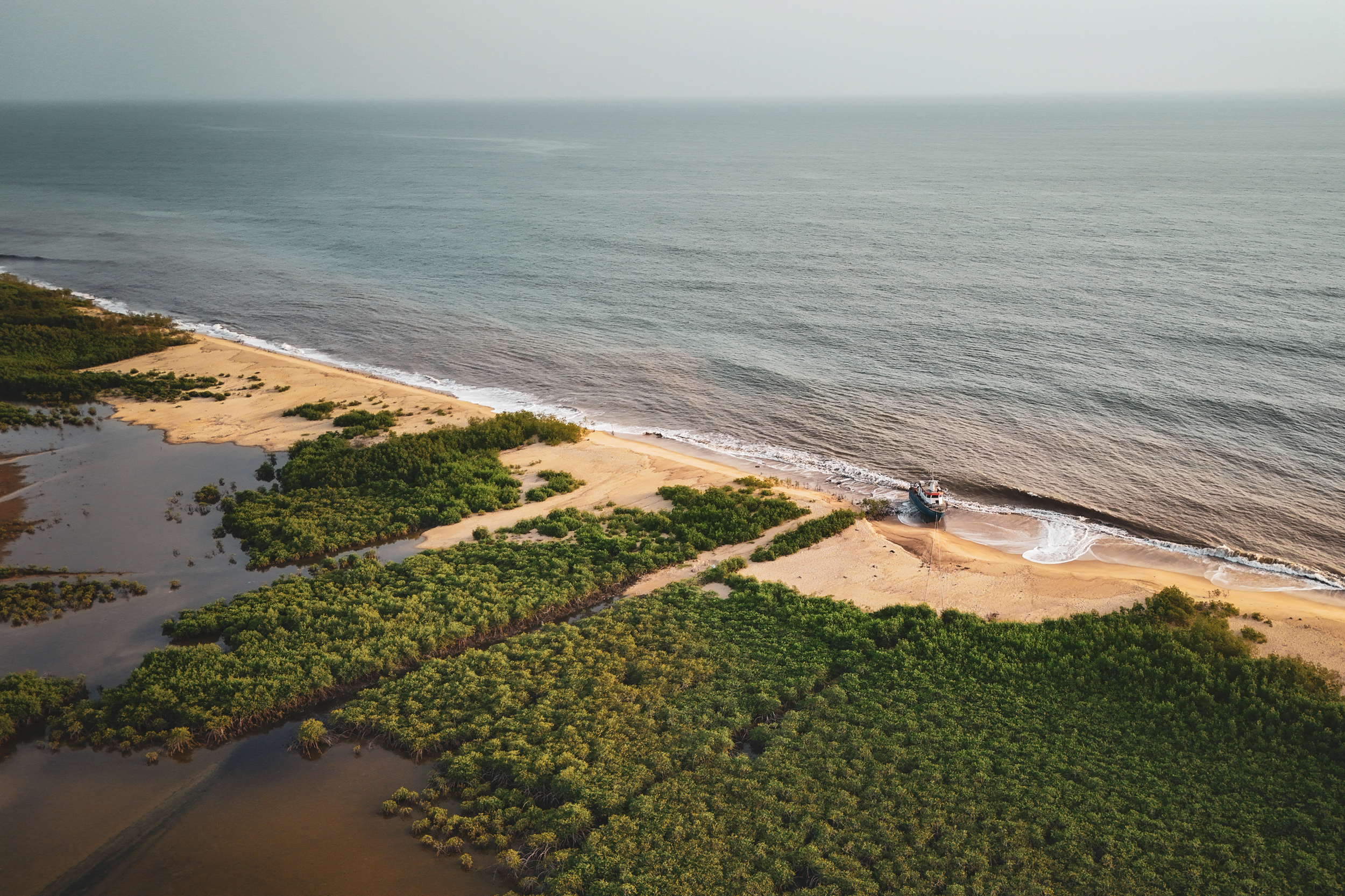
- Coastal infrastructure such as roads and hotels blocks landward retreat for many mangrove forests, squeezing the trees between the rising ocean and human development.
Why it matters: Mangroves are disproportionate carbon sinks, so losing even portions of them complicates global carbon accounting and removes natural storm-surge buffers for coastlines. The study reframes a hopeful narrative—past research suggested some sea level rise could boost mangrove growth—by showing that whole-ecosystem modeling reverses that conclusion. With infrastructure already blocking landward migration, the paper makes the case for creating room to retreat alongside emissions cuts.
Ask SkimNews