Russia fires Bastion missiles from disputed Kuril Islands — SkimNews

Get the Geopolitics newsletter
Daily geopolitics — wars, elections, sanctions, the diplomatic moves that move markets. Free.
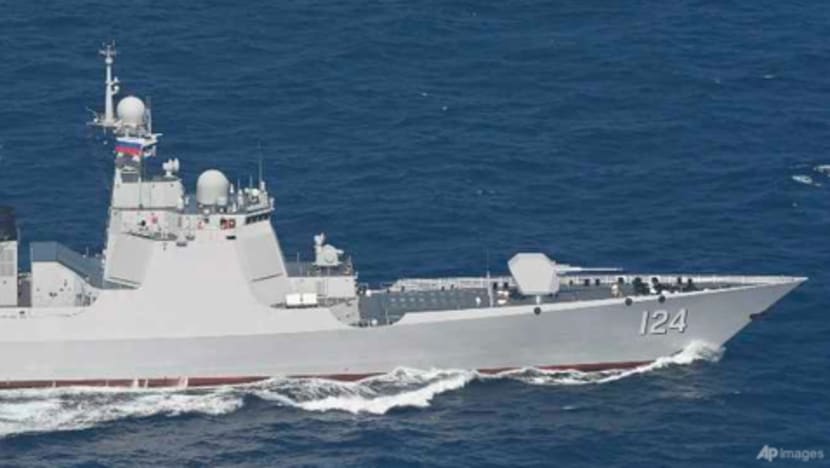
- Russia's Pacific fleet fired Bastion surface-to-ship missiles from Etorofu, the largest island in the disputed archipelago, on Thursday, simulating an attack on enemy vessels and hitting all targets approximately 300km away.
- Japan criticised the drills, with Foreign Minister Toshimitsu Motegi declaring from Oman: "We cannot tolerate moves to strengthen military power on the Four Northern Islands because they go against our country's stance."
- The drills involved a nuclear-powered submarine and a guided-missile cruiser, and began on 4 August; Japan was informed in advance of the live-fire component and lodged a protest on 5 August.
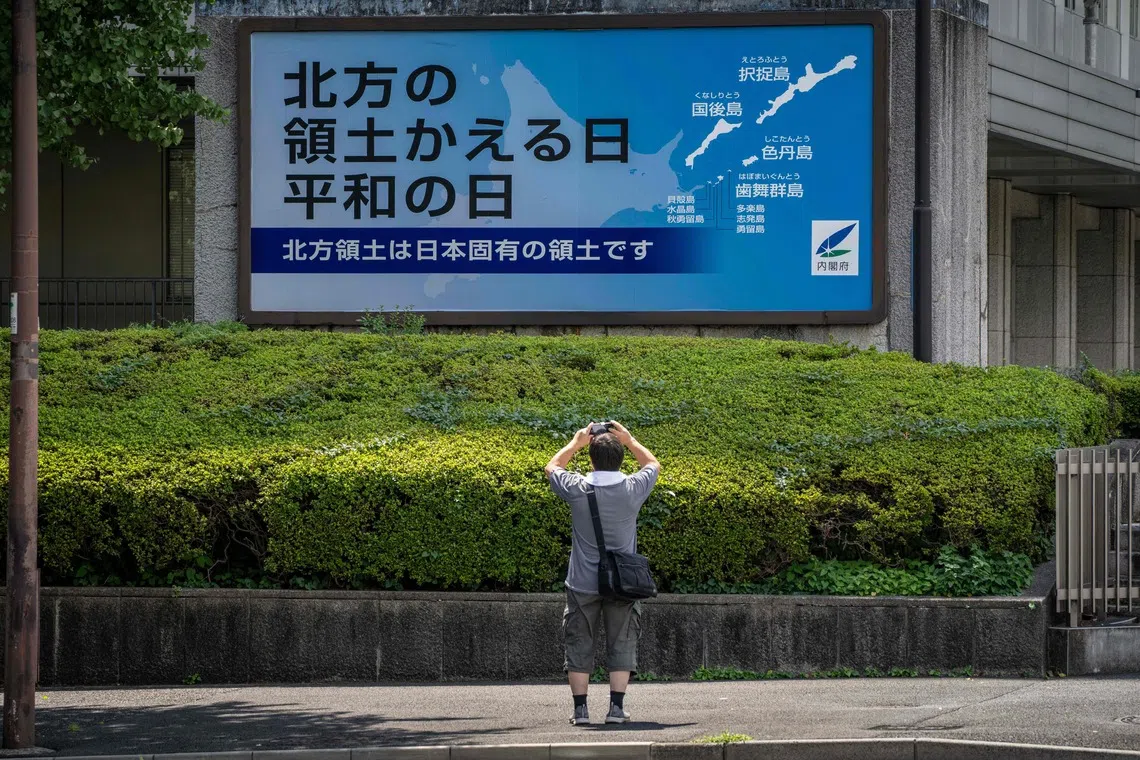
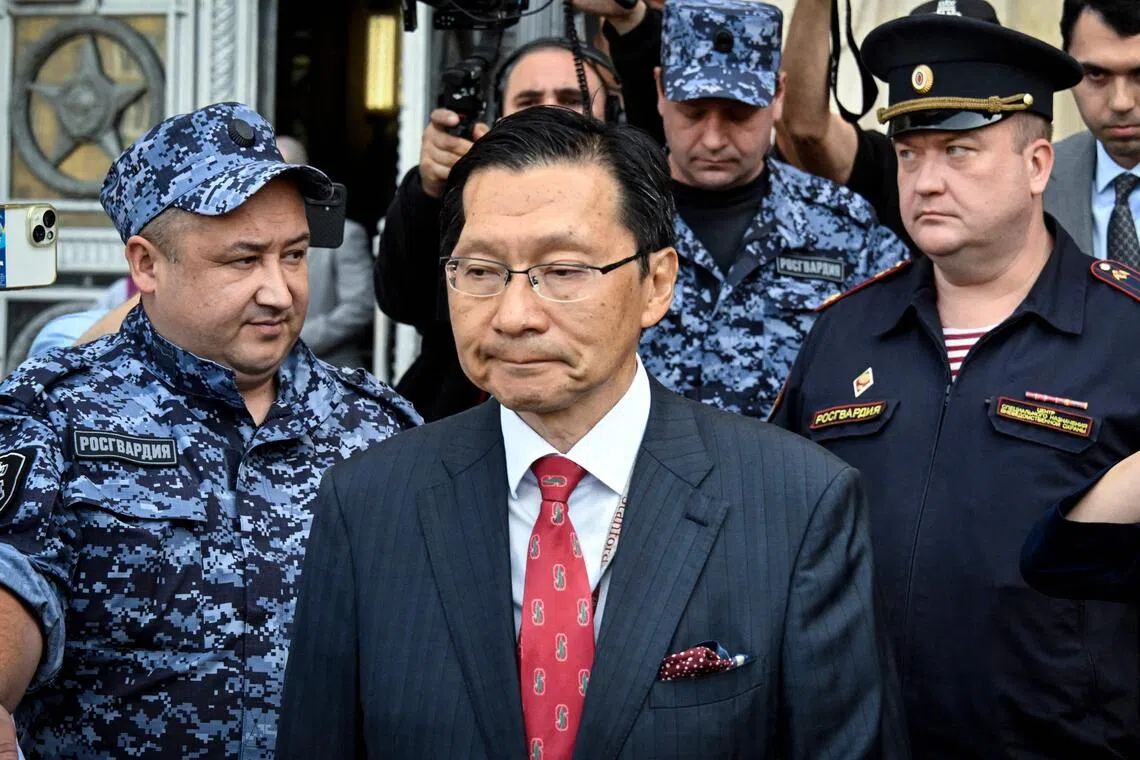
- Putin's first-ever visit to Etorofu last week triggered a tit-for-tat summoning of ambassadors in Tokyo and Moscow, with the two countries referring to the four islands as either the Northern Territories (Japan) or the Kuril Islands (Russia).
- According to Russian state agency Tass, the broader exercise deployed approximately 60 surface ships, submarines and support vessels, about 30 aircraft, helicopters and UAVs, and over 13,000 service members.
- Speaking aboard the guided-missile cruiser Varyag on 12 August, Putin warned that "the region is unfortunately becoming increasingly prone to conflict, with Nato seeking to gain a foothold here and the emergence of new military and political blocs."
- The Russian drills are scheduled to run through 29 August, prolonging a multi-week posture that territorial tensions with Japan date back to the Soviet seizure of the islands at the end of World War II.
Why it matters: With 13,000 personnel and live-fire Bastion launches running through 29 August, Russia is using a routine exercise to physically entrench its presence on islands it seized in 1945, forcing Japan — a key Western Pacific ally — to protest in real time rather than wait for diplomacy. The drills directly overlap Putin's own trip and his verbal framing against NATO, turning a territorial dispute into a stage for broadcasting Moscow's broader Indo-Pacific posture.
Ask SkimNews